In this episode, host Don Adeesha sits down with Drew Fine, U.S. general manager for the professional channel at Obagi Medical, to explore the shift from traditional lab studies to real-world clinical data. Drew explains why standard clinical trials are no longer enough and introduces the Aloha program, an initiative designed to gather practice-based evidence and give clinic owners a direct seat at the R&D table.
Drew breaks down the strategy behind launching a new premium HA filler in a saturated market, emphasizing the power of integrating skincare with injectables to improve patient outcomes and increase average ticket sizes. He challenges the traditional, transactional vendor relationship, advocating for transparent partnerships that eliminate complicated contracts, volume-based inventory handcuffs, and fluctuating costs.
Finally, Drew details how to operationalize clinical wellness as a powerful retention engine rather than relying on short-term discount wars. Drawing from his leadership experience at Allergan, Galderma, and Obagi, he reveals the single non-negotiable operational trait shared by the top one percent of scaling practices: an exceptional workplace culture where teams do excellent work, have fun, and continuously learn.
Key Takeaways
- Shift from lab-controlled data to real-world practice evidence.
Participate in initiatives like the Aloha program to prove that safety and efficacy hold up in your specific treatment room, giving you leverage over traditional clinical trials. - Demand operational transparency from your vendor partners.
Break free from complicated contracts and bulk-buy requirements that tie up cash flow, and align with manufacturers who remove the “handcuffs” to make running your business easier. - Stop racing to the bottom with short-term discount wars.
Shift your focus away from chasing performance marketing trends and return to building long-term category success through holistic, protocol-based patient education. - Combine skincare and injectables to drive transformational outcomes.
Integrate a trusted, unified brand approach to naturally increase your average ticket size and convert transactional buyers into high-lifetime-value patients. - Prioritize an exceptional workplace culture above all other metrics.
The top one percent of practices successfully scale because they foster an environment focused on doing great work, having fun, and continuous learning, which acts as a powerful retention engine for patients.
Podcast: Play in new window | Download
Drew emphasized that true practice growth comes from stepping off the transactional discount treadmill and cultivating long-term, holistic patient journeys. This strategy session provides the exact framework you need to stop chasing short-term leads and start architecting a digital presence that consistently attracts those high-value patients.

- Get a 1-on-1 diagnosis of your online presence & patient acquisition funnel
- Identify critical, untapped growth levers (SEO, Social, Referrals)
- Define a clear action plan to attract and convert your ideal patients
- Receive expert solutions for your most pressing marketing challenges
Resources

Live Webinar: Enhancing Modern Aesthetic Practices in 2026
Join industry experts to modernize operations, enhance patient experience, and drive sustainable growth.
Wednesday, January 21, 2026 @ 8:00 PM EST.

Are you ready for the “GLP-1 Body” Era?
Download the 2026 Aesthetic Patient Behavior Model to see the numbers driving decisions this year:
- Why 73% of patients now define beauty by “individuality” over transformation.
- The shift away from non-invasive fat reduction (down ~40%).
- Real data on the rise of the male aesthetic patient.
Subscribe To Our Podcast





Key Highlights:
- 00:00:11 – Introduction & Speaker/Topic Setup
- The episode focuses on the shift from relying on controlled clinical trials to prioritizing practice-based evidence within the aesthetics industry.
- Host Don Adeesha introduces the guest, Drew Fine, the U.S. general manager for the professional channel at Obagi Medical.
- The episode’s sponsor, Ekwa Marketing, is highlighted as the digital growth partner supporting the podcast.
View TranscriptDon Adeesha: For decades, the industry told us what worked based on clinical trials in a controlled lab. But we all know that what happens in a lab doesn’t always happen in the treatment room. What if the future of innovation isn’t coming from a manufacturer, but from you? Welcome back to the Business of Aesthetics podcast. I’m your host, Don Adeesha. To help us understand this shift, we are joined by Drew Fine. Drew is the U.S. general manager for the professional channel at Obagi Medical. He is one of the few executives who has sat at the leadership table for Allergan, Galderma, and now Obagi. He is currently leading a massive initiative to move beyond box selling and into practice-based evidence, giving owners a seat at the R&D table. Today we are going to discuss the new Obagi. We are talking about why clinical trials are no longer enough and how to operationalize clinical wellness and how to launch a new service in a crowded market. This episode is brought to you by Ekwa Marketing, the digital growth partner behind this podcast and a trusted resource for aesthetic practices looking to dominate their local markets. Now with that being said, let’s look at the evidence. Drew, welcome to the show.
Drew Fine: Great. Hi, Don Adeesha. Nice to meet you. And thanks for having me on. Appreciate the time to chat this morning. It’s a fun topic and a fun time to be in aesthetics, that’s for sure.
Don Adeesha: Absolutely.
- 00:01:42 – Drew’s Background and the Obagi Vision
- Drew shares his extensive background, which includes leadership roles at Galderma and Allergan, alongside valuable perspective gained as a practice owner and startup founder.
- His former startup, Novastique, was acquired by Obagi with the vision of creating a massive, comprehensive aesthetics brand that combines premium injectables and skincare.
View TranscriptDon Adeesha: Now, before we get into the main questions here, you have what I call the royal flush of aesthetic resumes, leadership roles at Allergan, Galderma and now Obagi. How does it feel to be leading the strategy for a company that you likely spent years strategizing against in your previous lives?
Drew Fine: Yeah, and no, I’ve been pretty blessed over the past decade or so in aesthetics to work with some great people at some great companies. And I actually think you missed a couple of them that are really interesting and have framed a lot of my thinking as well. So I did seven years at Galderma, oversaw a number of FDA launches there. I did a couple of years at Allergan as well. So I had the big players. And when I left Allergan, I decided I really wanted to get more into different type of space in the industry. So I did some startups. I worked actually with one of the large companies that was acquiring practices and building a large group. That was probably one of the most informative pieces to my whole journey. Because what I quickly realized is when you put the practice owner hat on, you really have to think differently. And when I was just on the other side of the business, I wasn’t always able to do that as effectively as I thought I was. But things become at you very quickly when you’re responsible for marketing and managing operations and looking at acquisitions and dealing with the day-to-day issues and opportunities of running an aesthetic practice. So that was a really interesting one. I think the other interesting one was I had a startup called Novastique that was developing these new fillers that we’re bringing to market now. So I had a bit of this small business owner hat. Do we have enough funding? How are we raising funding? How are we building a go-to-market opportunity? And then my startup got acquired by Obagi. So I kind of lived the small business shoes as well that many of our practice owners and people in this podcast probably have. So I’ve got a little bit of a different perspective rather than, you know, I’ve just worked for big companies and, you know, great brands, which I’ve done that too. But when Obagi acquired us, they had a wonderful vision. And that vision was really to create a mega aesthetics brand around the Obagi name. You know, unfortunately in aesthetics outside of Botox, no one has really been able to create a brand that kind of consumers know deeply. We think there’s an opportunity with Obagi to do that. We think we’re kind of coming at it a different way with the acquisition of Novastique and the introduction of Obagi branded fillers. So that’s a little bit of my background. I’ve been a little bit fortunate that not just the big companies in Obagi now, but we have a really interesting vision and it’s framed by some of my experiences owning my own business, managing practices and seeing it from the true customer’s lens.
Don Adeesha: Love that. And, you know, what a great perspective to have to really discuss this topic at hand.
- 00:04:38 – The Aloha Program & Practice-Based Evidence
- Drew introduces the "Aloha" program, designed to gather real-world data directly from everyday practices rather than relying exclusively on lab-controlled studies.
- This initiative ensures that the safety profiles and outcomes seen in FDA trials translate effectively across diverse, real-world patient populations.
- The program is accessible to clinics of all sizes, allowing solo injectors to participate in R&D and gain insights through comparative national data.
View TranscriptDon Adeesha: Now, most manufacturers rely entirely on controlled clinical trials to sell a product. But you are launching the Aloha program to gather real-world evidence directly from daily practice. Why is the industry pivoting towards practice-based data? And how does this shift give a clinical owner more leverage than a traditional lab study?
Drew Fine: Yeah, that’s a great question. So Aloha is our aesthetics leadership with Obagi’s HA. It’s our kind of introductory program to help people understand the new product. But before we get there, I don’t want to downplay the pivotal clinical trials that happen. Those are the most important thing that any manufacturer can do. It’s part of the reason that the U.S. market is viewed as the highest quality market in the world. Spending the money and it’s tens of millions of dollars to do these trials to prove safety, prove efficacy, prove quality, ensure you can manufacture well. You know, to pass those FDA requirements is immensely hard. That’s why you see markets like the U.S. where we don’t have as many competitors because the hurdles are very high to show that you have a product that can meet the needs in a safe and effective manner for practices and patients. So that’s step one. You have to do that to prove the science and prove the outcomes. Now where it gets interesting, and this was a little bit of kind of my time over the years, is as products launch, inevitably, when you get outside of a controlled clinical trial, and a controlled clinical trial has a lot of inclusion and exclusion criteria that define who the patient population is you should market to, you’re working with some of the world. Those are really important, very interesting. They generate the data that drives all of our promotion and what goes into your label. But when it gets into the real world, the question becomes, this is great. I’m intrigued by it. I love the science. I love the background. But the question becomes, when I have my everyday providers treating my everyday patients, will I see the same outcomes? And you hope the answer is yes, and you expect the answer is yes, but everyone’s practices are a little bit nuanced. How I do my packages, how I do my promotions. Maybe my patient population is a little bit different than the broad patient population in the trial, and we want to look at a select version of it. So as I’ve talked to people, the question always becomes, yeah, this is great. So they’re usually like, well, what’s different about your product? What’s the price of your product? And will it work in my practice? So we wanted to generate a lot of data to show our everyday practitioners as happy with the product when they launch it and treat their patients as they saw in the clinical trials. And if you can do that, and if you can do that at scale, you can really show, hey, what you saw in the clinical trials is what you’re going to see in practice, and here’s how it’s going to help you and your patients. So it’s not overly complicated, but usually these trial programs are done on a very narrow basis. They’re done with just like the KOLs in the industry or a small handful of people who start generating case studies for usage cases. We actually trademark the term aesthetics for all. We want this to be broad-based. So my hope is we can get hundreds, if not thousands of providers going through the Aloha program, understanding how do they like the product, where does it fit in into their practices. And those insights and learning will help us then develop the next generation of products, the next generation of clinical studies to continue to enhance and grow. And probably is going to help us develop new training and education programs because we’ll learn more information once you have thousands of people using the product rather than just hundreds. So it’s a way for us to really understand how does this work in the real world setting, not just the clinical setting. And if those two match, which I think they will, we’re going to be in great shape and we’ll have a much better way to launch rather than, hey, just try this and trust us. We actually want to come to you and say, let us prove that it’s going to work in your practice. Work with us to do that. And if it does, you’ll make it a bigger piece of your business.
Don Adeesha: Okay. And if I am a small clinic owner, do I need to be a massive site to participate or is there a way for a solo injector to leverage this new R&D seat?
Drew Fine: Yeah. No, you don’t have to be a big group. We are working with many of the big groups, but it’s designed in a way that even a solo practice provider or a provider who just has two or three injectors could participate. They could reach out to our Obagi team. We’ll help get them kind of signed up and enrolled. It’s not overly complicated. It’s just a simple kind of QR-based survey that we’re going to ask everyone to take. The beautiful part is, let’s say we can get 2,000 providers to try the product, take the survey, perhaps there’s some standardized structured data. All of a sudden, we can also start to do really interesting things because we’ll be able to understand what does this look like on a national level? How does your practice compare to what everyone else is thinking? Do you tend to use a little more, a little less product? Did you prefer it more or less than other competitive product versus kind of what everyone else would look at? Were you able to more or less be able to integrate skincare into your injectable regimens. So there’s a lot of interesting little learnings just by making people like they’re participating in something really unique and special so you can launch a product you could drop off some samples the reps could come back in a few weeks and maybe use them maybe you didn’t but if you feel like you’re participating in something if you’re helping generate some communal good everyone likes to likes that they want to be part of something bigger we didn’t want to exclude anybody again like i was buying small practices when i was at the practice roll-up company and there are large groups. But I think 70 to 80 percent of the business is small businesses, solo practices. Why should they be excluded? Why should they not get great pricing? Why should they not be able to participate in some of the kind of real world evidence collection? They absolutely should. So we just designed a program that simply allows them to do that.
- 00:10:56 – Launching a Premium HA Filler in a Saturated Market
- While the U.S. market has around 30 approved HA fillers, it remains significantly less saturated than global markets due to rigorous FDA approval processes.
- Obagi differentiates its premium filler by leveraging its 37-year trusted legacy in skincare and a proven, 8-year global safety profile.
- The strategy focuses on eliminating the fluctuating costs and complex vendor contracts that typically disrupt a practice’s operational efficiency.
View TranscriptDon Adeesha: Awesome. And now you’re launching the magic filler into a market that is arguably at maximum capacity. Instead of fighting a price war, what is the specific gap analysis you performed that proved there was indeed still a profitable, unoccupied lane for a new premium HA filler?
Drew Fine: Yeah, we’ve heard this a lot, that it’s a super competitive market. And I always thought that, too, when I was at the Allergan and Galderma most of the world. but then you kind of approach it from a skincare company lens and your perspective changes, or you approach it from a practice lens in your perspective changes. So let me give you a couple of pieces of information. So in the U S the now with our magic approval, I believe there’s about 30 different individual hyaluronic acids approved right around there. In Europe, there’s over a hundred in Asia, there’s, you know, tons and tons of fillers. I just got back from MCAS and there’s fillers everywhere. So in that context, sure, it’s competitive in the US, I won’t deny it, but it’s not competitive like it is in the rest of the world. Now, a lot of that competition comes because you don’t have FDA regulations that kind of make sure you only have high quality competitors and things like that, but it’s definitely not as competitive as the rest of the world, so there’s certainly an opportunity. If you look at skincare, you know, there’s, or if you look at injectables, there’s maybe, you know, five or six kind of competitive players right now. If you look at skincare, there’s essentially almost zero barriers to entry and you have new skincare players popping up all the time. So, you know, you go from five or six competitors to on the skincare side, we probably have 30, 40, 50 kind of major, you know, competitors. So a skincare company looks at this and goes, wow, I really like, you know, the investments you need to bring a filler to market. It creates some barriers that are very important. You have to prove safety. You have to prove quality. You have to prove efficacy before you can go enter and compete in the market. If you go look at kind of consumer product goods companies or beauty companies, the competitors are endless. So there’s plenty of ways to compete and differentiate. So I think on the competitive side, yes, it’s competitive, but not nearly as competitive as some other markets. So that comes down to now where’s the opportunity. I think if you look at the market right now, and this is where I spent a lot of time, and I kind of go back to my, when I was in a practice owner’s kind of shoes, I was like, oh my gosh, everything I did at Galderma and Allergan oftentimes made it very hard for me to run my business. My cogs fluctuated. They designed programs that didn’t necessarily work for my practice, but work for them. Sometimes it worked for my practices. Sometimes they didn’t. Sometimes it felt very biased to the company and not to me. So part of the kind of philosophy here is can we make it simple and easy for practices to do business with us? You know, sometimes that’s easier than others, but we’re going to strive to do that. So I think there’s a lot of ways that you can kind of differentiate the product. There’s a lot of ways to position the product. I’m happy to talk a little bit about kind of where we think Magic kind of fits in. But at the end of the day, Magic is a great product. It’s been approved in 80 countries around the world. It’s been in the market for over eight years. There’s a very kind of proven safety and efficacy profile for the product from that use. We had the largest NLF trial of anyone to get approval in the US. There’s some important technical differentiation that I think practices and providers will really like quite a bit. And I think our go-to-market model is designed in a way to make it work for the market at large. So it should work for small solo practices, and it should also work for some of those large groups. I think we have a little bit of a shake up the kind of market, go to market model. And then most simply, we’re launching it under the Obagi brand. No one has done this before. And the power of brands is very real. It makes it easier for patients. It makes it easier for practices. And having this kind of one consumer oriented Obagi brand just makes it simpler. It’s differentiated. It causes people to ask questions. And that’s actually really, really helpful. You’re more likely to get a patient to try an Obagi filler because they know the Obagi name and they’ve trusted Obagi to take care of their skin.
Don Adeesha: Absolutely. And now something I picked up over here is you are really targeting the global market. So… Or is that restricted to the U.S.-based practices?
Drew Fine: Yeah, so we have an approval for Obagi Safe and Magic in the United States. That’s the distribution market for it. We have a second filler that we’ve communicated is currently under review with FDA as well that hopefully will get approved. So those two products are approved for the U.S. Obagi itself is a global company. We are in, you know, I think nearly 100 markets around the world. In the U.S., we are direct. This is where we started 37 years ago, the OG of skincare. We’ve built a really nice kind of consumer business on top of that. And then we are mainly international distribution around the rest of the world. But we are in most of the major countries and continuing to enhance our international distribution. We’re actually growing very fast international. There’s been a bit of a resurgence of the brand. as we’ve poured more innovation into it when it was purchased by Longcast a few years ago. So it’s been a real kind of, we’ve renovated the brand. Our marketing team has done an amazing job, all new packaging, some new formulations, some great new innovation. And now we have this injectable on top of it as we really strive to build this kind of mega brand under the Obagi name.
- 00:16:43 – Integrating Wellness and Retaining Patients
- Drew advises moving away from short-term discount cycles and performance marketing, returning instead to holistic, protocol-based patient journeys.
- By combining dedicated skincare routines with injectables, clinics can dramatically improve overall clinical outcomes, naturally boosting both average ticket size and patient retention.
- Treatments should be positioned as integrated solutions to core problems, not merely transactional sales.
View TranscriptDon Adeesha: right now we hear wellness is the future but many aesthetic practices still struggle to make it profitable because it does have a bit of a lower margins than injectables so drew from an operational standpoint how do you structure a clinical wellness division so it acts as a retention engine for your high ticket aesthetic patients rather than say a distraction Drew Fine: yeah this seems to be the uh question of the day right how do you capture all these new patients that are coming in from a you know a different angle and turn them into kind of core aesthetic patients um there’s two trends i’d kind of talk about here so the first one is i think you’re tapping into the trend that is pervasive right now is this huge convergence between health wellness and aesthetics there’s actually some of the thesis behind the Obagi deal to acquire the fillers is you really start to see all this come together. So that is happening no matter what. You’re going to see new entrants come in. You’re going to see new avenues get into aesthetics. You’re going to see aesthetics get into wellness in different ways. That’s very clearly happening. I think the other thing it kind of highlights is you have to have a really good understanding of who your patients are, What are their journeys in your practices? And how do you build protocols and plans to effectively take them through all of your offerings and really create a nice holistic patient outcome? So for a little while, I think if you look at the industry over the past few years, well, actually I go back like a decade. So like when I first started, a lot of the kind of category building activities in the industry were around education, holistic approaches, helping people understand their patient journeys. And a lot of the kind of advertising and marketing, both from the manufacturers and from the practices were designed to do just that. You had very high patient satisfaction. You had a number of new kind of, a number of treatments that kind of got integrated and people would get amazing results and they still do. As we kind of come out of COVID, I saw a shift in a lot of the marketing efforts, both at the practice level and from the suppliers. And a lot of it moved towards more of this a lower funnel performance-based marketing. And people started chasing all their performance marketing dollars. And it ended up being like, can I save $50? Can I get a coupon? Can I get some build points? Can you sign up for this loyalty program? oh my gosh, there’s a hot new trend. Can we jump on it on TikTok? And people got distracted from the core category building activities that actually build long run success. Not to totally put performance marketing. I mean, we do a lot of that at Obagi. It’s important, but it’s important as a part of your marketing. And I feel like we kind of got away from some of the things that build long-term category success. And honestly, you’re seeing a little bit of that as the kind of market has slowed down. I was looking at some data the other day, A year ago, I think 50% or 60% of practices were advertising kind of weight loss and all that kind of stuff, but only 20% were advertising for fillers. Well, they realized very quickly that they’d kind of got away from some of the core of what their practices do, and you’re starting to see that kind of turn back. So now 50% to 60% of practices are advertising fillers as part of kind of their complete offer. and how they’re approaching it. I’ve also seen the filler marketing kind of change where they talk not just about fillers, but they’re talking about fillers as part of a solution. It actually fits very well with the whole Obagi ethos here, which is if fillers are the only solution, you’re probably not going to get great outcomes. If they’re part of an integrated skin health solution with skincare and a bunch of other stuff, you’re probably going to get great patient outcomes. And as you see that kind of marketing trend back, all of a sudden you’re seeing practices become more optimistic that they’re going to be doing more filler treatments over time. So there’s a natural kind of ebb and flow. I think people have realized, man, they got away from the things they need to do to educate patients, to help patients and consumers understand kind of what’s the complete offering, what’s the kind of services you can get at my practice, how do I do consults and build patient flows and build patient treatment plans that work over time. So the more we kind of get back to that, I think the better we’re going to be over the long run. But If it’s just about saving $50, that’s a very short-term hit. You need to do it sometimes for sure. I mean, we do it as a manufacturer. Many practices do. It’s not to say that’s bad. That’s good. But it has to be part of a bigger solution if you want to grow categories over time, especially as you get new patients in who maybe don’t know the core aesthetics kind of like, you know, toxins and fillers and skincare and lasers and devices and integrating kind of holistic health opportunities. you really have to focus on kind of education. Like it comes back to problem solution, like what’s your kind of core issues and problems you’re dealing with and how do we build an integrated solution to help you get there? If you do that, you’re going to have happy patients. If you can do that and you can integrate kind of loyalty and retention programs within your practice without it feeling kind of like overly commercial, you’re going to do that. I’ll use an example here. I live in the Dallas, Texas area. There’s a really great kind of practice near me. They have a membership program. So every once in a while, secret shopper kind of various programs in various companies just to see, you know, can I sign up for an appointment? What’s the treatment complex like? You know, what’s the consult like? Well, this one, I was like, man, they have a really nice structured membership program. There’s a variety to it. But I kind of go in on a monthly basis. I get a treatment that’s included in the membership program. And inevitably, I end up by adding more things. But the membership program is also designed to show me what are the other things in my patient journey that I should be getting. It’s not just sign up for the membership, get a free treatment, save 10%. But it’s like it kind of walks me through a holistic patient journey that that’s how you build categories over time that’s you take patients new to the industry and turn them into high lifetime value patients as well amazing getting back to the fundamentals yeah it’s not complicated i mean i know everyone wants to make it super complicated and you know there’s a bunch of people on glp ones that means they’re going to lose weight that means they’re going to have laxity they’re going to lose volume that must mean we’re going to inject a whole bunch more filler And you’re like, well, maybe. I mean, that’s not showing up just in the data just yet. It could be true if we do the things to build the category. If we just tell people, oh, GLP-1s cause people to lose weight and lose volume. Therefore, we’re going to inject more filler. That’s probably not true. If you paint the kind of category creation and the category education that shows people how to put all this together and stitch it all together, then you’ve got a real good chance to kind of help build the long-term growth rates. You know, the other thing is if you kind of just look back, the market grew for pretty steadily for a long period of time, we hit an accelerated piece of growth. Now it’s kind of dampened a little bit, but if you kind of normalize everything, the market has grown mid high single digits for a long, long period of time. Demographics are on our side. You know, normalization of these treatments is on our side as well. And I think The other thing that people are talking a lot about is, is there an oversaturation of kind of aesthetic practices? I kind of look at, you know, it seems to be there’s more long-term patient demand than we currently have practices available. Even I kind of go back to, I live in near South Lake, Texas, which is right near DFW airport. there must be 100 med spas in dermatology and plastic surgeon practices, you know, within like a five mile area right there. And there’s many places like this in the country. So people often talk to me like, oh, back to our fillers are so competitive. And I’m like, well, yeah, could you imagine being a med spa in these areas? And a lot of them continue to be very, very successful. Yeah, some come and go because it’s hard to compete if you’re kind of me too, if you haven’t focused on your patient experience or differentiate yourself or, you know, whatever it looks like. But there’s a lot of practices that are very, very successful in an area where you would likely say, oh, there’s oversaturation. I don’t think that’s true. I think in the long run, there’s more opportunity than we’re anticipating.
Don Adeesha: Wonderful.
- 00:25:02 – Ekwa Marketing Sponsor Break & Economics of Purchasing
- Don Adeesha shares an offer from sponsor Ekwa Marketing for a complimentary 12-month digital strategy session to map out an acquisition roadmap.
- Drew explains how Obagi intends to shift traditional transactional vendor relationships into transparent partnerships by removing restrictive bulk-buy requirements.
- Allowing straightforward purchasing frees up practice cash flow and avoids the "handcuffs" that interfere with an owner’s daily clinical operations.
View TranscriptDon Adeesha: Now, before we continue, a quick message from our sponsor, Ekwa Marketing. Ekwa Marketing are offering our listeners a complimentary 60-minute digital strategy session. This is a one-on-one consultation with a senior strategist to help you map your 12-month high-value patient acquisition roadmap. You will get a personal diagnosis of your online presence and patient funnel, uncover untapped growth levers across SEO, social, and walk away with a clear, actionable plan tailored just for your practice. You can check the availability and reserve your spot in under two minutes at www.businessofaesthetics.org/msm. Now, Drew, the traditional vendor relationship is transactional. I buy a box, you give me a discount. How does the shift toward integrated protocols combining skincare and injectables force a change in the economic model of how practices purchase and price their inventory?
Drew Fine: Yeah, so I think there’s two kind of components that I would kind of talk about. The first is I’m going to go back to the Aloha program we talked about. The interesting thing when we started with Aloha was we were looking at it as a way for people to try in the real world, our new injectable. Very quickly, we had all of our customers saying, can I integrate Obagi skincare into my Aloha program? And we were like, well, why do you want to do that? Like, well, we think that we can prove that we can actually increase the average ticket size and increase the number of patients getting skincare with injectables. And we think that if we do that, we’re going to get better patient outcomes. And we’d like to prove it with this kind of real world program. And I was like, that’s exactly what I would hope to happen. So now we’re approaching this. And that was the theory behind the kind of everything branded Obagi. So now we’re in a place where we’re talking to practices about, hey, can we actually do this in a way that helps you increase your average ticket size, increases your cross-selling, gets to better patient outcomes because you’re building holistic treatment plans. Obagi itself is known for building protocols like, you know, hyperpigmentation protocols, overall skin health protocols. You know, that’s kind of how you think as a skincare company that kind of is known for transforming your skin, which is kind of the anchor of kind of what Obagi is all about. High science, medical, and so that’s why this all fits. So the relationship that we tend to have and we’re trying to build with customers is much more anchored in that mindset. Now, if you kind of play that out, If we’re going to really be a good partner that helps, you know, helps you kind of increase the profitability of your practice, increases the average ticket size, has happier patients, we also need to be a company that gives you clarity on some things. So I think the big challenge with a lot of the industry is it’s gotten complicated. There’s no transparency. Your cogs change every quarter. So like when I was running, when I was in the big old company, I was like, this is my P&L changes every quarter because, you know, my vendors are kind of throwing a different thing at me, this rebate, that special offer, this and that. And you’re just like, guys, this is like too complicated. I can’t run my business this way. One of the biggest pieces of my P&L is changing every quarter or changing your year. So can we give you some clear transparency to that? I think absolutely we can. Can we do it in a way that doesn’t put as many handcuffs on you and requirements as many of the other vendors we can. So a lot of people will say, I’ll give you that, but then you have to do X, Y, and Z. Well, now all of a sudden you’ve just locked yourself into a whole host of other requirements that make it hard to run your business. Volume-based purchases, you’ve got to bulk buy the inventory and store it on your place and tie up your cash rather than kind of helping you buy it over a period of time. So A lot of what we’re looking at as we kind of launch Obagi is can we be a partner that kind of has more transparency, that doesn’t have as many of the handcuffs, the requirements, the things like that. And we’re also not going to be a company that tries to launch a consumer loyalty program. which a lot of companies have, and they can be good and they can be bad. But again, a lot of that causes practices to change how they operate. So I think when I was on the practice side, operations is like the lifeblood of a good practice. Usually they’re finely oiled machines when they’re working really well. If you have to change how you check people in and check people out every time, depending on which product you use, it just kind of dunks up the system. So And you’re giving a lot of data to the manufacturers, which is great for the manufacturers. But most of the practices that I’ve been talking to, they’re building their own loyalty capabilities. They’re building their own marketing capabilities. They’re working with places like Ekwa Marketing and others who sponsored this episode to really kind of build great kind of marketing engines. So our kind of philosophy right now is, Let’s just keep it simple. Let’s keep it transparent. Let’s take the handcuffs off. Let’s not put a bunch of owner’s requirements in place to get something that gives you transparency. And let’s work to build that business together and build some great outcomes together. And I think if we do that, we’ll earn most people’s business over time. Yeah, the nice thing is with Obagi, you know, we’re not the size of Allergan and Galderma. We don’t have to capture, you know, we don’t need to be the number one or number two player. I think we can just focus where we can kind of drive great outcomes for practices, drive great outcomes for patients, have really happy consumers who understand the Obagi brand. And over time, you know, we’ll do just great and we’ll help practices do just great too.
Don Adeesha: Fantastic. And I really appreciate you using the word outcome throughout this discussion, whether that be for consumers or else even the providers. How important is that to you and Obagi?
Drew Fine: Yeah, I think if you if you look at Obagi, you know, we were founded by transformational outcomes for your skin, right? hydroquinone, tretinoin prescriptions, vitamin C’s. These are the anchors of the brand. I mean, the Obagi Newderm system is still, if you want to transform your skin, most people still say it’s the thing that can transform your skin. We also find that if you really take care of your skin and you start doing all this other stuff, you do get better outcomes. I think we’ve kind of lost this a little bit. If your skin doesn’t look great, it doesn’t matter how amazing my filler injections or toxin injections or other things are. you probably aren’t going to have as happy a patient as if you did great filler injections and you helped someone take care of their skin. So we’ve been an outcome based company for 37 years. We’ve been a protocol based company for 37 years. So this is just a natural extension of what we’re looking at. And again, I think you’re seeing the market kind of move back to those things that grew it for a long period of time. As you get into a transactional level, You get the short-term hit. Like, yes, can you sell a bunch of compounded GLP-1 products to patients? Absolutely. Can you turn those patients into holistic, lifetime, happy patients for you? That’s the real trick. And you’re not going to do that if you stick with transactional, transactional, transactional. You need to get back to this holistic, protocol-based consultation, lifetime journey. Here’s how we can help you overall on your skin health and wellness journey.
Don Adeesha: There we go.
- 00:32:29 – The #1 Trait of Highly Successful Practices
- From evaluating top-performing clinics nationwide, Drew pinpoints exceptional workplace culture as the single non-negotiable trait required to successfully scale.
- A strong internal culture leads directly to better patient experiences and serves as an incredibly powerful patient retention engine.
View TranscriptDrew’s advice to practice owners revolves around three core pillars: doing excellent work, having fun, and continually learning new things to stay ahead.
Don Adeesha: And now, Drew, you have seen the back end data of the most successful practices in the U.S. during your time at Allergan, Galderma and now Obagi. When you look at the top one percent of clinics that really successfully scale, what is the single operational non-negotiable they all share that the struggling practice just ignore?
Drew Fine: Yeah. You know, I actually love this question. I’m going to give you what I think is probably a non-expected answer. And the number one thing that I see with successful practices is the culture is amazing. So when I walk into a practice or I meet them and you can feel the culture and every practice and the culture can be very different, but if you can feel that culture and it’s a place that people really want to work, That’s what most successful practices have, in my opinion. So, yeah, I mean, I could give you all kinds of answers on, you know, what’s your P&L look like and what’s the cross-sell look like and, you know, what’s the, you know, lead to close, to consult, to treatment ratios. Those are all important. And then there’s great data on all these things and, you know, maybe great practices have holistic treatments or not, but the number one thing is like, can you feel the culture of the practice? Is that culture somewhere where people really want to work? And if people really want to work there, then patients and consumers who show up tend to really like being treated there. And the patients who show up tend to like being treated there, it tends to be a very profitable and positive business as well. So It’s kind of how I’ve always approached it. You know, if you talk to my teams, it’s the same thing. I try to build really good cultures when I put together organizations. And I always tell people, for me, there’s three things that are important. So one, can we do really great exceptional work? Two, can we have some fun while we’re doing it? You know, I told someone the other day, they’re really stressed. I was like, I’m like, listen, we’re in skincare. We help people look and feel better about themselves every day. There’s no crying in skincare. It’s going to be okay. So can we have some fun? You don’t need to cry a little bit. And then three, can we learn some new things? Because if you’re learning, you’re always growing, you’re exploring the boundaries, et cetera. So for me, I always go to have fun, do great, learn some new things. Not that that’s the right or wrong kind of values or the right kind of culture, but that’s the kind of culture I like to bring. But you can play that out in practice too, right? Let’s say I ran practice. If I was doing that, again, I’d love a culture that You know, we did excellent work. We want to be known for, you know, we give you the best outcomes. You’d want to walk in and say, this place is fun. I want to be here. I want to spend some time here. I want to come back regularly. I want to be a lifetime patient here. And two, am I learning things? Are they continuing to enhance my outcomes over time? So it’s not just the road. Oh, I do this all the time. But listen, you age, your skin changes, your fat atrophies, your bone resorbs. You have stressors in your environment. Your situations at home changes. Maybe you got a new significant other. Maybe you had a kid whom maybe changed the job. That all causes your health needs to change too. So you have to continually be learning new things. So for me, long-winded answer, but essentially great practices have great cultures. Great cultures tend to be places patients want to come. And when patients want to come and come back over and over again, they’re great businesses too.
Don Adeesha: That’s amazing. And Drew, just to wrap things up here, what’s one key takeaway for our listeners if they could only have one? What is the golden nugget of our discussion here tonight?
Drew Fine: Oh, man, that’s a tough question. I think the number one thing I would tell you is just because that’s the way it’s always been done doesn’t mean that’s the way it has to be done in the future. Six months ago, no one ever thought a skincare company could enter injectables. Well, we very clearly are with a brand that’s all branded Obagi. No one had ever kind of contemplated that before. But now you look at it, you go, well, that makes a lot of sense. So just because you’ve always treated, done something one way, you know, don’t be afraid to make sure you’re always looking. It doesn’t mean throw away the way you’ve done it. Like I’m not, we’re not throwing away how we did skincare. We’ve got great skincare. We’re just kind of adding and growing. So to me, that’s the big opportunity is like, how do you kind of, think about all that kind of stuff, put it all together. And I kind of go back to my values, right? Like do some really great work, have some fun, learn some new things. And I think you’re going to be in great shape.
Don Adeesha: Wonderful. Drew, this has been incredibly insightful. Thank you for sharing the playbook with us.
Drew Fine: Absolutely. Happy to help. Thanks for the invite. And if people want to learn anything else, I’m happy to answer any questions. I’m pretty easy to find on LinkedIn or Instagram. And I know many people in the industry always reach out to text or email or whatever as well, but happy to help anybody who has any follow-up questions too, or wants to get involved in the Aloha program. We’d love to get everyone involved. Like I said, we trademarked aesthetics for all for a reason. We want this to be for all the practices out there and we’d love to make it happen.
Don Adeesha: Wonderful. Thank you very much, Drew. So that was a fascinating look at the future of aesthetic partnerships and patient journeys with Drew Fine. If you have been feeling trapped by complicated vendor contracts, fluctuating costs, or the race to the bottom discount wars, we hope that this conversation gave you the framework to rethink your approach. Building a highly profitable practice isn’t just about a transactional sale. It’s about integrated protocols, exceptional clinical culture, and finding manufacturer partners who actually make it easier to run your business. If Drew’s philosophy on doing great work, having fun and learning new things resonated with you, I highly recommend connecting with him directly on LinkedIn or Instagram. You can also look into Obagi’s new Aloha program to get a seat at the clinical table and see how their transparent, no handcuffs approach can empower your team. And as we wrap up, if you’re looking for some clarity on the digital side of your practice, Ekwa Marketing is offering our listeners a complimentary 60-minute strategy session. It’s simply a one-on-one conversation to help you map out a realistic 12-month roadmap for attracting high-value patients. You can easily grab a time that works for you at www.businessofaesthetics.org/msm. That’s businessofaesthetics, that’s one word, dot org forward slash MSM. I’m Don Adeesha and this has been Business of Aesthetics Podcast. Thanks for listening. Keep on leading.
GUEST – Drew Fine

Drew Fine is a veteran commercial strategist who has shaped the modern aesthetic landscape. He currently serves as the U.S. General Manager for the Professional Channel at Obagi Medical, where he is spearheading the company’s shift toward “Real-World Evidence” and integrated clinical protocols.
With a resume that includes leadership roles at Allergan and Galderma, Drew has overseen more than 13 FDA launches and managed some of the largest portfolios in the industry. He is an expert in bridging the gap between pharmaceutical rigor and the operational realities of running a private practice.
HOST – Adeesha Pemananda
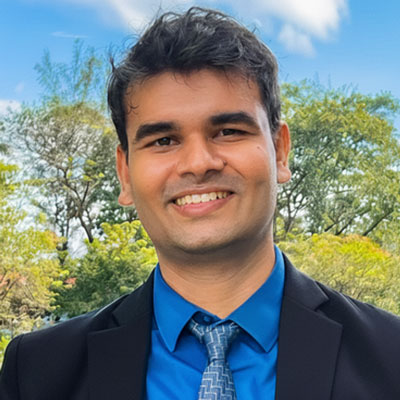
A seasoned marketing professional and a natural on-camera presence, Adeesha Pemananda is a skilled virtual event host and presenter. His extensive experience in brand building and project management provides a unique strategic advantage, allowing him to not only facilitate but also elevate virtual events.
Adeesha is known for his ability to captivate digital audiences, foster interaction, and ensure that the event’s core message resonates with every attendee. Whether you’re planning a global webinar, an interactive workshop, or a multi-session virtual conference, Adeesha brings the perfect blend of professionalism, energy, and technical savvy to guarantee a successful and impactful event.
Connect with Us:
Category: Business of Aesthetics Podcast