Podcast: Play in new window | Download
Subscribe To Our Podcast




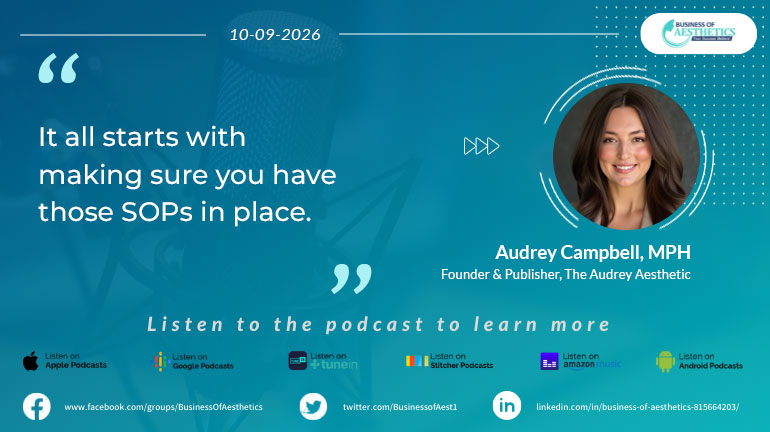
In this episode, host Anji sits down with Audrey Campbell, founder of The Audrey Aesthetic, to tackle a costly growth mistake: treating AI as a shortcut to opening a second location. Audrey explains why technology cannot compensate for unclear standards, inconsistent patient experience, or a founder-dependent operating model.
The conversation breaks down the practical systems that make expansion more controllable: current SOPs, role-specific dashboards, provider-led rebooking, retention campaigns, and AI-supported training. Audrey also explains how to use automation for repeated outreach and early warning signals without handing over clinical assessment or treatment planning.
Audrey’s framework is simple: let technology execute consistently, but keep the judgment, differentiation, and relationships human. Her final advice for owners planning expansion is to start documenting the experience now, so the second location can reproduce what makes the first one work.
Key Takeaways
- Document the operating model before you automate it. Build current SOPs for patient experience, employee experience, escalation paths, and ownership standards before adding AI to a second location.
- Make rebooking a provider-owned clinical habit. Set the expectation early in the appointment, then use branded automated follow-up to recover patients who leave without their next visit.
- Manage the remote site through leading indicators, not month-end surprises. Give each leader a role-specific dashboard that flags changes in rebooking, attachment rate, utilization, and revenue quickly enough to act.
- Use AI to rehearse consistency, not to replace clinical judgment. Deploy voice coaching, role-play, refreshers, and scribes to improve training while keeping assessment, treatment planning, and patient recommendations with qualified practitioners.
- Protect the flagship’s retention before funding the new location’s acquisition. Automate the repeated touches that sustain memberships, referrals, reviews, and reactivation so expansion does not weaken the revenue base you already own.
- Train AI on your differentiators instead of accepting generic output. Feed it your language, sensory standards, brand voice, and desired patient experience so automation reinforces rather than dilutes your practice identity.
Audrey Campbell emphasized that AI can carry a second location only when it is built on clear, repeatable systems that protect the patient experience. This session is the logical next step for clinic owners who want a focused roadmap to align smarter patient acquisition with the operational discipline that makes growth sustainable.
- Get a 1-on-1 diagnosis of your online presence & patient acquisition funnel
- Identify critical, untapped growth levers (SEO, Social, Referrals)
- Define a clear action plan to attract and convert your ideal patients
- Receive expert solutions for your most pressing marketing challenges
Resources

Live Webinar: Future-Proofing Your Aesthetic Practice: Decisions You Must Get Right in the Next 18 Months
Join industry experts to modernize operations, enhance patient experience, and drive sustainable growth.
Wednesday, May 20, 2026 @ 7:00 PM EST – 9:00 PM EST

Are you ready for the “GLP-1 Body” Era?
Download the 2026 Aesthetic Patient Behavior Model to see the numbers driving decisions this year:
- Why 73% of patients now define beauty by “individuality” over transformation?
- The shift away from non-invasive fat reduction (down ~40%).
- Real data on the rise of the male aesthetic patient.
Key Highlights:
- 00:00:10 – Introduction & the AI Expansion Myth
- Audrey Campbell explains that AI can extend a second location only after the operating foundation is already in place.
- The conversation sets the boundary clearly: technology can support consistent execution, while leadership, clinical judgment, and relationships remain human responsibilities.
- The episode focuses on the systems that make multi-location growth more visible, repeatable, and profitable.
View TranscriptAnji: Most owners hear AI and think it’s a shortcut to opening location number two. It isn’t. AI can carry a second sight further than you’d expect, but only after you’ve done the foundational work first. And it can’t replace the parts of the business that require your judgment, leadership, and relationships. Welcome back to the Business of Aesthetics podcast. I’m your host, Anji.
Anji: Today, we’re joined by Audrey Campbell, founder of The Audrey Aesthetic, where she writes about AI in medical aesthetics and builds AI architecture for med spas, plastic surgery practices, and wellness brands. Audrey helps practices design systems that connect marketing, operations, and execution from single locations to enterprise groups. Her approach is built around one key idea.
Anji: Technology should handle consistent execution while people keep the clinical judgment and relationships that drive the business forward. Today we’re talking about what needs to exist before you connect a single AI tool. How AI changes the way you manage a location you’re not physically standing in. Why rebooking systems can become a major revenue lever and which systems actually protect margin as you grow.
Anji: This episode is brought to you by Ekwa Marketing. Audrey, welcome to the show. Thank you. I’m very excited to be here. All right, let’s get into it. Now, owners hear AI and assume it can shortcut opening a second location. So before practice connects a single tool to a new site, what has to already exist on paper?
- 00:02:01 – Document the Experience Before Adding Tools
- Before a second site adopts AI, the practice needs current, scalable SOPs for both patient and employee experience.
- Clinical protocols alone are not enough; owners must define the details patients feel at every touchpoint and the development path employees follow.
- AI should be explicitly embedded into onboarding and escalation procedures, including what happens when automation makes a mistake.
View TranscriptAudrey: Yeah, of course. I would hope if they have a second site or are already open that they have all their SOPs for patient experience as well as employee experience and then have those SOPs updated with AI in them. A lot of people, yep, we have SOPs, we have the systems in place, but…
Audrey: I think that you should do quarterly reviews, especially if you’re opening another location or if you’re adding AI on. So that’s great. Now you have it all here. How is AI integrating with your system of rebooking? So when you have that second location and you hire someone new, when they read the SOP or have the onboarding, they can see, hey, we have this tool.
Audrey: That’s going to send these texts. This is the way to use the machine here to double check, but also knowing that we have AI integration in it, but how it allows them to have a better experience with the patient one-on-one. So making sure that your SOP systems are all in place, hopefully before you even start opening your second one or planning it,
Audrey: But then making sure that the AI integration is also in those because you’re going to be hiring new people on, maybe a new manager, regional manager, and you’re going to have to onboard them onto these systems with AI in them, knowing, hey, you don’t have to double check and call them or make sure not to call that patient again because your AI receptionist is handling it. What do you think owners usually think they’ve documented well, but actually haven’t?
Audrey: Oh, my gosh. Basically everything. I think they have SOPs that are for the clinical standards. So when I a lot of times say SOPs, they’re like, oh, my gosh, we have all of that. We have our informed consent. This is how we handle clinical, you know.
Audrey: occurrence or anything like that but they don’t have what the patient should hear feel sense smell when they come in how should we call them how should we address them how do we get them up from the waiting room um how do we close an appointment as well too that’s so so important especially when you’re opening a second location or expanding if you can’t be there you need to make sure your SOPs and your patient experience
Audrey: and what has made you so successful can be replicated. So they always say, yeah, I have it. Don’t worry. It’s all in here. It’s usually like in a folder that everyone signed when they’re onboarded and like, okay, first of all, we need to make these digital. We need to do an update. We need to make sure that these are actually scalable along with your healthcare attorney with your clinical SOPs and everything, but making sure that patient experience and employees
Audrey: How does an employee move up? Even your front desk coordinator, how can they move up and level up? What’s the training for them? What should their day look like? What should an event look like for them? We focus a lot on
Audrey: hopefully, the patient experience from the time they see an ad or come to your website. But we want to make sure that we have it mapped up in standards and objection handling and what happens when it goes wrong. Also, what happens when AI messes up as well, too. So I think that’s almost as important as it is for your clinical SOPs.
- 00:05:35 – Create Visibility for the Location You Are Not Standing In
- AI-powered dashboards can flag changes in rebooking, attachment rate, utilization, and revenue before a monthly review is too late.
- Each role should receive only the insights it needs, from the founder and regional manager to the clinic manager.
- Useful reporting turns data into early action through timely alerts, suggested responses, and forward-looking financial visibility.
View TranscriptAnji: So really, the tools come after the documentation. Yes. Now, the flagship works partly because the founder is standing in it every day. What does AI driven visibility change about running a location you’re not physically in?
Audrey: Of course. Yeah. So especially if you have another location, you’re the founder and probably also a provider or in there and working on it a lot. You want to have visibility into your data, your numbers, your income, your revenue before it happens. A lot of, you know,
Audrey: We have this data we can look at. OK, last month we were down 20 percent. Our rebooking went down, but that’s a month too late. That’s two weeks too late. And you’re also looking at all this data, too. So an AI powered dashboard that can do.
Audrey: Insights can flag things that are important that know and contribute to profit and revenue. Before that, hey, your rebooking has dropped the past two days. Let’s check in on that. It can be sent to the managers. Also, I wouldn’t want the founder or the CEO looking in every single day at all the numbers. So making sure that your AI dashboard is customized to what’s important to you as an owner
Audrey: versus what a regional manager needs to look at, what a clinic manager needs to look at. And AI is really good at that as well, too, and giving you tips. There’s even ones that said, hey, this is down. Let’s run this campaign as well. And then financial forecasting before it’s too late. You don’t want the slowest months to go by and realize, oh, we could have done this or this.
Audrey: or our utilization was down. So I think that’s so important when you not only have one clinic, but if you have a multi-site for plastic surgeons wellness, you need to know the data that’s important and get that sent to you. You’re busy. Email recap every morning. Email recap each week. And what was done, you know, what was sent to the managers. Hey, we’re flagging that attachment rates down. So I think that’s super important.
- 00:07:50 – Make Rebooking a Standard, Then Automate the Follow-Through
- Rebooking should be a provider-led standard, not a last-minute front-desk task.
- AI can run on-brand, low-friction retention outreach for patients who leave without a future appointment.
- Track which messages, timing, and calls to action lead to booked revenue so the retention system improves over time.
View TranscriptAnji: Yeah, definitely. That’s such a perfect answer, Audrey. A lot of your work centers on rebooking systems, which is where you’ve seen the clearest revenue lift. So what does that system look like running across two locations instead of one? And what happens to rebooking rates once AI is laid in?
Audrey: Yeah, of course. So I love to, again, going back to the SOPs, when do we talk about rebooking? How is it phrased? We all know we can’t leave our dentist’s office without booking the next one. They have the highest rebooking rate in the industry, even cosmetic dentists. And you know what? They don’t have to run sales off and everything to get people in. It’s because they believe in rebooking and we know that as an industry. So making sure that’s the standard. I’ve had people, you know,
Audrey: providers at the beginning of the appointment once they decide on the plan they said hey i’m just going to rebook you in the room right now um and do it at the beginning and the patients always know my injector my esthetician is going to rebook me i don’t even have to worry about it so setting those standards and sometimes you have to coach and set those standards for your patients and train them as well for making that big change um
Audrey: A lot of providers don’t do that. So it’s all on the front desk. And we know there’s a lot of objection handling. We can go over as much as we can. But especially during that time when we’re doing new systems and implementing new workflows, it can be a little tough. But
Audrey: What AI can do for the repetitive, you know, calling people the next day to make sure they’re getting on is so good at that. If you feed it your brand voice, your brand tone, making sure it’s trained on how you speak. You don’t need your front desk coordinator or your manager calling everyone from the previous day that didn’t rebook or trying to fill the schedule.
Audrey: provider utilization is so important and how we can do that and confirm future revenue is by rebooking. It’s so simple, but it’s really hard. But AI is so good at that. There’s so
Audrey: many tools and platforms that can run the retention campaigns can you know make sure they rebook we want to make it as easy as possible we want to make that call to action remove any barriers as well too so if anyone does get out of your clinic without rebooking they have a retention campaign uh i got an amazing one the other day from
Audrey: Glow bar. It’s like that quick facial place. And said, you know, it’s been two weeks since I’ve seen you. It’s from my esthetician. I’d love to see you again to stay on your plan. Mass text sent out. But guess what I booked?
Audrey: That’s amazing. Like that is a great text sent out tied to your treatment club. And I’m sure they’re using AI or some form of that. And what’s really nice about AI, it starts to learn what messages are better too. It should get better. Like, hey, no one opened or booked with this text.
Audrey: But people love this text and this time we sent it and we can track the revenue from that rebooking text too. So we’re getting data back. We’re not just having your front desk or manager call everyone the next day that didn’t rebook as well.
Anji: Definitely. I’ll take a bit of a quick pause here before we keep going. If what Audrey is describing is hitting close to home, here’s something worth knowing. Ekwa Marketing is offering Business of Aesthetics listeners a complimentary 60-minute strategy session. It’s a one-on-one conversation to map out a realistic 12-month roadmap for attracting high-value patients.
Anji: No pitch, just a plan. Grab time at www.businessofaesthetics.org/msm. All right, let’s get back to it, Audrey. So we were talking about, you know, how running across two locations instead of one and what
- 00:11:55 – Use AI to Train Consistency, Not Replace Judgment
- AI can make onboarding more engaging and measurable through refreshers, role-play, voice coaching, and practice consultations.
- The clinical plan, examination, and the distinctive experience that makes a practice memorable must remain human-led.
- AI becomes more useful when it is trained on a practice’s actual standards, language, sensory details, and expectations rather than generic prompts.
View TranscriptAnji: happens to rebooking rates once ai is laid in so when it comes to holding quality at a new site what can ai standardize in training and sops and what has to stay human clinical judgment
Audrey: Yeah, of course. I love this. I think everyone can relate. Every manager, practice owner, and onboarding a new employee is really difficult. It doesn’t matter if you’re a provider or anything. And especially if you want to make another location successful and not just hinge on your talent that you have in this clinic.
Audrey: It really is communicating your standards, your patient and client experience at the second location. SOPs, having people write through it, some boring OSHA or compliance thing is not really retention. We know we want to get them to revenue as soon as possible. AI is amazing at creating
Audrey: engaging, measurable onboarding experiences as well. So there’s a ton of platforms that already do this that have where they can actually measure, hey, we got this person to revenue quicker. And it all starts with making sure you have those SOPs in place. Some of them provide some general ones that you can kind of tweak, but making sure you’re onboarding them in the correct way. We say investment. We don’t say the cost.
Audrey: We talk about it this way. When someone comes in, we stand up and come around, you know, someone reading and if they can experience it in another location, someone reading something and signing off once during onboarding is not going to guarantee. It’s also going to be really good because it can have refreshers as well, too.
Audrey: So making sure you’re storing everything about the employee and patient experience and creating better ways to learn and refresh with AI avatars, voice coaches, you know, talking to someone on the phone and getting them to book an appointment can be hard, especially for the most underpaid, you know, employees and staff in these med spas, plastic surgery, wellness are the front desk and we’re expecting them to be this master marketer.
Audrey: So practicing and role playing with an AI voice coach, it feels a lot better than doing it with your manager too. It can give you feedback. Same goes for consultation. Sometimes you’re a brand new nurse and you feel a little nervous talking about price. So you can practice, you can load in the AI voice coach with your brand standards, how we talk about it, how we educate value.
Audrey: how we ask open-ended emotional questions about outcome. It’s way easier to practice and judge a consultation when you’re talking to a robot instead of your manager or, you know, another fellow practitioner. So I think those things make it so much easier to role play.
Audrey: to onboard, to continue excellence and improve retention as well. What always needs to be left to humans is, first of all, creating the patient experience. A robot cannot create AI, cannot create what makes you special and what makes people want to come back.
Audrey: So you have to have that first before you put it into AI. The second is clinical outcomes and clinical examination. So coming up with a three-month plan or a year plan for a bride should never be done to AI. It should never take a picture, okay, AI is going to tell me what to do with this patient. That is not how we should be practicing.
Audrey: Yes, it can assist, obviously, you know, with retention, sending them out reminders, giving them a plan as well, too. But it should be you looking and assessing the patient, looking at their acne, creating that plan for them.
Audrey: AI has so many other ways it can help and assist to drive revenue, to upsell, to retain the patient. But you coming up and saying, hey, I actually recommend this skincare for you because of this reason should be left to the practitioners as well. I love an AI voice scribe. A lot of people have been using it. It can create that more human connection instead of charting and, you know, typing away or writing.
Audrey: Having an AI scribe record everything you’re talking about, put in an easy follow-up. It improves conversion. It improves patient interaction and happiness score. And you can focus on the patient as well, too.
Audrey: There’s so many ways for AI to help a clinic scale to onboard, but you can’t just type in any chatbot LLM and say, you know, write me an SOP for a tour of the spa.
Audrey: You have to tell people, these are our colors. This is how we want them to feel. We have the signature scent. This is why we do it. And then it can be really good. But you can’t just give it generic, like, here’s our SOP for consultation. It’s going to be bad. It’s not going to be good. It’s not going to be what makes you different. So that should always be human. What makes you special? What makes you a different med spa or plastic surgery? How you want that patient to interact with your practice is
Audrey: is unique and AI can’t come up with that. It can help you dictate it and put it into work, but you have to put in, we always say garbage in, garbage out. So make sure that you’re being very clear on your expectations when you’re using AI or even working with a company that has a tech solution.
- 00:17:49 – Protect Margin Through Retention Before Chasing Acquisition
- New locations often require acquisition support, but the fastest margin protection still comes from retaining the patients a practice already has.
- Use automation for the repeated touches, demand signals, membership prompts, referral momentum, and review systems that keep revenue stable.
- Do not let the excitement of a new opening weaken the first location’s patient base or revenue discipline.
View TranscriptAnji: Now that is the quality side. Now let’s talk about the money side. Second locations can leak margin in year one. Which AI systems protect margin fastest and which ones are premature until the flagship is fully documented?
Audrey: Yeah, so especially, you know, when you have one practice and you’re established, it’s all about retention. And AI is really good at that. We know a lot of retention is repetitive, getting it in front of the consumer. It used to be like seven to 11 touches. Now it’s like 22 times we have to put something in front of a consumer. So that’s a lot of manpower that I don’t want my front desk associates or my manager doing. When you’re opening a second location,
Audrey: You have, you know, if you’re working with me, you have all your SOPs, everything like that. But we’re using AI in a different way because we’re doing more of acquisition. And we want to make sure that when we acquire them,
Audrey: We have someone to book them, somewhere to put them, that maybe we don’t have the staff or someone answering from home. We’re still building it, but we want to build the patient base as well. So AI is really good at repetition. AI also can flag, hey, this is a slower month, or hey, we have not enough memberships at this point in time right before opening or during opening.
Audrey: So once we’re acquiring those, we’re retaining them as well. So it becomes a retainer. And that, again, is repetitive. So make sure you have those really good referral networks, the really good reviews and, you know, systems down to keep those patients coming because we don’t want to lose sight of our first clinic of everyone coming in and just focus on acquiring clients for the new location.
Audrey: And so we know the easiest, cheapest way is to retain the clients you already have instead of spending a ton of money on paid ads. And AI is really good at that. Hey, we haven’t seen you in three months. You’re due for this.
Audrey: Hey, you have money left in your bank and are reducing those liabilities. So making sure those are set down and you have an AI company or tech stack that works with you and can adjust and on brand voice as well to make sure that you open successfully for the second one, but also retaining and making sure your revenue is stable in the first location without ever having to acquire a new patient, you know,
Audrey: You should be able to do a small get by within one month without having one new patient come in your door while you’re opening a second one, too, which comes from acquisition and then back to retention.
- 00:20:43 – The One Move to Start This Week
- Audrey’s immediate recommendation is to begin reviewing and improving SOPs now, not when the second location is about to open.
- Use a structured daily brain dump to capture the founder’s vision for the patient experience, employee experience, and operating standards.
- That living documentation can improve the current site while becoming the operating blueprint for the next one.
View TranscriptAnji: All right, before we wrap up, I want to leave our listeners with one practical takeaway. So Audrey, for the owner listening right now, who’s 12 months out from opening their second location, what’s one thing you tell them to start doing this week? Not the big strategy, just the single move that makes everything else easier later.
Audrey: I would start reviewing your SOPs.
Audrey: making sure you have everything that we talked about patient experience employee employee experience just talk to ai for an hour each morning tell them your tell it your dreams tell it what you want it to feel like tell you everything it’s going to get to know you more it just brain dump so i talk to my ai for one hour every morning i just brain dump into it so you can start learning and start editing your sops for that second location and maybe in
Audrey: include some improvements for your current location as well. All right. Now, before we let you go, where’s the best place for listeners to connect with you and learn more about your work?
- 00:21:51 – Where to Connect & Closing Perspective
- Audrey directs listeners to The Audrey Aesthetic for AI resources, recommended tools, and independent guidance on tech stacks.
- The closing reinforces the episode’s core message: technology works best when it supports systems that are clear, documented, and already working.
- Listeners are also invited to explore the complimentary planning session at www.businessofaesthetics.org/msm.
View TranscriptAudrey: Yeah, you can go to Audrey aesthetic.com. I have links to all my blogs as well where I write about AI in aesthetics, plastic surgery. And so you can read about tools that I recommend. I’m completely agnostic on all of them. I take demos all the time. You can also read
Audrey: email me at audrey at theaudreyesthetic.com. It’s also on my website too is the best way to connect if you need any recommendations or a second opinion on an AI tech stack. Audrey, thank you so much for joining us. This was such a useful look at what AI can and can’t carry into a second location. If you’re considering expansion, the big takeaway is that technology works best when it’s supporting systems that are already clear
Anji: documented and working. And if Audrey’s approach resonated with you, be sure to connect with her and explore her work at The Audrey Aesthetic. And as we wrap up, if you’re looking for more clarity on the digital side of your practice, Ekwa Marketing is offering our listeners a complimentary 60-minute strategy session. It’s a one-on-one conversation to help you map out a realistic 12-month roadmap for attracting high-value patients.
Anji: You can pick your session at www.businessofaesthetics.org/msm. I’m Anji and this has been the Business of Aesthetics podcast. Thanks for listening and keep on leading.
GUEST – Audrey Campbell, MPH
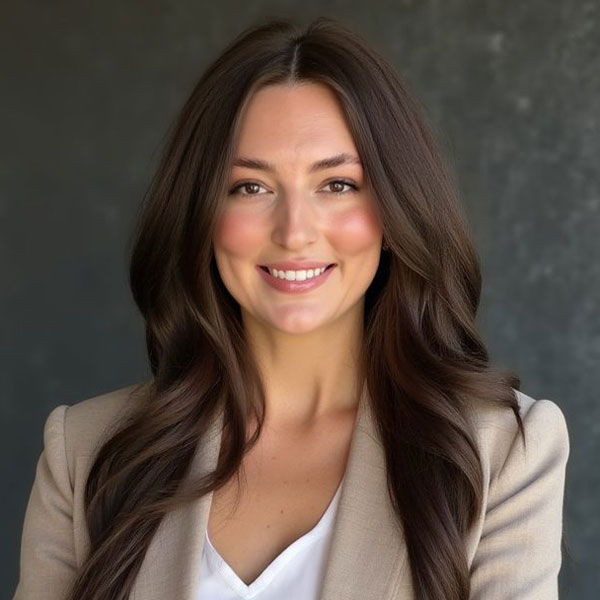
With over 8 years of experience across aesthetics, wellness, and plastic surgery, Audrey Campbell is the founder of The Audrey Aesthetic, a thought leadership platform dedicated to bringing operator-grade strategy, AI implementation, and business systems to the medical aesthetics industry.
Audrey’s career reflects a deliberate move from clinical training into operational and strategic leadership. She began with three years of medical school before shifting her focus toward the business side of healthcare, going on to earn a Master of Public Health from the University of Pennsylvania. That trajectory from clinical training to systems thinking, shapes everything she publishes and teaches today. She works as a franchise business coach for multi-unit med spas, helping owners and operators build the operational architecture behind high-performing practices, from memberships and pricing to KPIs and leadership.
Through The Audrey Aesthetic, published weekly on Substack, Audrey covers four core areas: AI infrastructure and implementation, practice operations and scaling, wellness philosophy, and brand strategy. Her flagship series, AI in Aesthetics: The Real Stack, has become reference material for operators building the next generation of aesthetic practices, and she regularly appears as an expert panelist for Business of Aesthetics. She believes AI is infrastructure, not a novelty, and that the practices treating it that way will own the next decade of aesthetic medicine.
Learn more: theaudreyaesthetic.com
HOST – Manjali Kulathunga
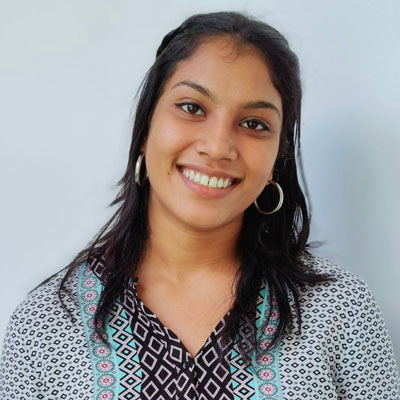
Drawing on her background in radio broadcasting, Angie brings confidence, energy, and a conversational approach to every virtual event she hosts. As the host of Business of Aesthetics (BOA) webinars and podcasts, she leads discussions with renowned industry experts, creating an engaging environment where knowledge is shared and meaningful conversations thrive.
Recognized for her approachable hosting style and strong communication skills, Angie excels at connecting with both speakers and audiences. Her ability to keep conversations engaging, encourage audience participation, and maintain a seamless flow helps make every webinar and podcast an insightful and enjoyable experience.
Connect with Us:
Category: Business of Aesthetics Podcast