Podcast: Play in new window | Download
Subscribe To Our Podcast




In this episode, host Don Adeesha welcomes Dr. Charles Mok to discuss the quiet crisis that lies behind all injectable-only practices: commoditization within a rapidly expanding but under-demanding cosmetic industry. According to Dr. Mok, practices designed for longevity are using their cosmetic treatments as the gateway for accessing the entire health timeline of the patient.
This discussion unpacks the process by which one can combine female hormone therapy, GLP weight-loss protocol cycling, and vein health services with their current aesthetics practice, without any external marketing expenses, brand dilution – and with injectable services being the trigger to achieving unparalleled levels of patient retention.
Lastly, Dr. Mok issues a stern warning to injectable-only practitioners about the 22% growth in med spa supply that is currently outpacing demand in the filler market and why aesthetic practices are perfectly suited to lead the longevity space due to the unique position they have always had with respect to their cash-only patients.
Key Takeaways
- Transform injectable patients into an eligible pipeline for wellness. The likelihood of adopting HRT, GLP-1, and regenerative therapy among cosmetic patients is much higher than the general population.
- Structure wellness services on the health span. Patients tend to remain loyal if they get more years of healthy life than cosmetic results.
- Implement GLP cycling schedules for better results and retention. Following structured on and off phases can minimize adverse reactions and generate follow-up appointments.
- Offer HRT without relying on any marketing budget. Educate your patients and prompt your staff to convince them of its benefits internally.
- Differentiate rather than compete on pricing. Competitors cannot replicate or beat a holistic business approach easily.
- Maintain cross-selling during the first visit to a minimum. Suggest only one other service and postpone memberships till the next appointment.
- Position yourself for the upcoming longevity industry. You already possess cash-only billing, financing options, and reliable patient relationships as an aesthetic practice.
Dr. Charles Mok made one thing unmistakably clear: the practices that will dominate the next decade are not the ones that do Botox cheapest, they are the ones that build deep, recurring relationships by addressing the whole patient, from the outside in. If you are ready to translate that philosophy into a clear digital strategy that attracts the right patients and keeps them coming back, this session is your next step.

- Get a 1-on-1 diagnosis of your online presence & patient acquisition funnel
- Identify critical, untapped growth levers (SEO, Social, Referrals)
- Define a clear action plan to attract and convert your ideal patients
- Receive expert solutions for your most pressing marketing challenges
Resources

Live Webinar: Future-Proofing Your Aesthetic Practice: Decisions You Must Get Right in the Next 18 Months
Join industry experts to modernize operations, enhance patient experience, and drive sustainable growth.
Wednesday, May 20, 2026 @ 7:00 PM EST – 9:00 PM EST

Are you ready for the “GLP-1 Body” Era?
Download the 2026 Aesthetic Patient Behavior Model to see the numbers driving decisions this year:
- Why 73% of patients now define beauty by “individuality” over transformation.
- The shift away from non-invasive fat reduction (down ~40%).
- Real data on the rise of the male aesthetic patient.

Key Highlights:
- 00:06:30 – Introduction & Speaker/Topic Setup
- Host Don Adeesha frames the episode around the aesthetics industry’s shift away from injectable-only models toward integrated wellness and longevity.
- Guest Dr. Charles Mok is introduced as the founder of Allure Medical — a multi-state practice blending cosmetic injectables with preventative health services.
- Topics previewed: the financial realities of female HRT, monetizing non-surgical weight loss, and cross-selling vein health with an injectable business.
- Sponsor Ekwa Marketing is introduced as the digital growth partner behind the podcast.
View TranscriptDon Adeesha: The aesthetics industry is hitting a ceiling. As injectable become more commoditized and price wars drive margins down, the most successful practices are no longer just treating wrinkles. They are treating the entire lifespan of the patient. Welcome back to the Business of Aesthetics podcast. I’m your host, Don Adeesha. To help us navigate the massive shift towards integrated wellness, we are joined by Dr. Charles Mok. Dr. Mok is the founder of Allure Medical. After a career running an emergency department, he transitioned into private practice to focus entirely on preventing the emergencies he used to treat. Now he has built a massive multi-state footprint that seamlessly blends traditional cosmetic injectable with high retention medical services. Today we’re going to discuss the financial realities of female HRTs, monetizing non-surgical weight loss, and how to seamlessly cross-sell vein health with your injectable business. This episode is brought to you by Ekwa Marketing, the digital growth partner behind this podcast and a trusted resource for aesthetic practices looking to dominate their local markets. That being said, Dr. Mok, welcome to the show.
Dr. Charles Mok: Thank you.
- 00:08:08 – Using Injectables as a Gateway to Preventative Wellness
- Dr. Mok describes the core Allure Medical patient: a 47.5-year-old woman seeking to look and feel better with minimal risk.
- The longevity industry is identified as the biggest future opportunity in healthcare.
- Insurance-driven mindsets limit patients’ willingness to invest in preventative, cash-pay care.
- Allure Medical uses toxins and fillers as a funnel into a membership model, then gradually introduces wellness services including hormone optimization and regenerative medicine.
- Dr. Mok distinguishes lifespan (total years alive) from health span (years lived without major disease or disability).
- Cosmetic patients self-select as ideal wellness candidates — they already invest in themselves and are open to cash-pay solutions.
View TranscriptDon Adeesha: Dr. Mok, the traditional aesthetic model relies heavily on constant churn of injectable appointments. As those services become more commoditized, how does pivoting your operational focus towards preventative wellness actually insulate a practice’s cash flow from local price wars?
Dr. Charles Mok: Yeah, great question. So I see the injectable patient as this kind of a filter for people who love themselves more than their possessions. Our average patient is a 47-and-a-half-year-old woman — we’re about 97% women in our practice. They’re looking to look and feel better with less risk. That’s really the fundamental avatar for our patient. And when we look at the industry shift, the biggest industry in the future is gonna be the longevity industry. The problem is that it is very hard to attract people for wellness because the insurance industry has dominated people’s mindsets about what they should and should not do.
Dr. Charles Mok: We continue to use the platform of bringing people in for toxins and fillers, then convert them into a membership model. Once they’re with us for a year or two, they’ll start venturing into other services that can expand their healthspan. Healthspan is how many years you’re on this planet without being sick with major issues such as stroke, heart attack, or Alzheimer’s. Cosmetic patients select out the people who are going to want to pay out of pocket for things that make them healthier and live longer. Our company’s goal is to add 250,000 years of healthspan to our community.
Don Adeesha: Before we move on, I really want you to make the distinction between lifespan and healthspan.
Dr. Charles Mok: Healthspan is generally referred to as the time you live where you do not have major disease or disability. Somebody who dies in their seventies typically had a few years where they were disabled in some way — a stroke, premature Alzheimer’s, or heart failure. Healthspan is the number of years you live without being sick where you can still enjoy life. If a woman goes on non-oral estrogen and progesterone, she likely adds 2.5 years of lifespan, but about three and a half years of healthspan — for something you can buy on Amazon Pharmacy for a hundred dollars a month. Expanding your healthspan actually shrinks the period of illness before you die.
Don Adeesha: So your quality of life overall increases.
Dr. Charles Mok: The duration of quality of life. Yes. To put it in numbers: one person lives to 80 and at 75 gets Alzheimer’s — that’s 75 years of healthspan. Somebody else lives to 80, is fine until 79.5, and then falls and breaks their hip. That’s 79 and a half years of healthspan. That was a better, more quantified life.
- 00:18:05 – Operational Roadmap for Adding Female HRT
- Pellet-based HRT (testosterone, estrogen, and oral progesterone) is synchronized with injectable appointment cycles every 3–4 months.
- HRT patients show stronger retention than injectable-only patients, directly increasing practice lifetime value.
- Key retention drivers: higher spend per visit, rebooking, skincare, energy-based services, memberships, and service diversification.
- Internal marketing only — Allure Medical does not externally advertise HRT; existing cosmetic patients are converted organically.
- Staff use a single-sentence prompt to gauge hormone interest, avoiding lengthy consults until the patient signals readiness.
- Dr. Mok’s nine published books on health and hormones are gifted to patients based on life stage.
- Starting HRT earlier in perimenopause yields greater long-term health benefits, including reduced Alzheimer’s risk.
View TranscriptDon Adeesha: Now, Dr. Mok, for the practice owner looking to integrate female HRTs — what is the exact operational roadmap to add HRTs without diluting the high-end cosmetic brand that they’ve already built?
Dr. Charles Mok: I don’t really think that this dilutes it at all. I think it just augments it. Women come in about every three or four months to get their pellets — testosterone and estrogen — and they take progesterone orally. That synchronizes really well with their injectable appointments. They stay with us longer than injectable-only patients. The key retention factors are: size of sale per visit, rebooking the patient, getting them on skincare, doing energy-based services, putting them in a membership, and converting them to other services. You’re paying hundreds of dollars to acquire a customer — having something besides just injectables retains patients longer and helps them look and feel better inside and outside.
Dr. Charles Mok: We do not market for wellness externally at all. We simply internally market it to our existing cosmetic base. When cosmetic patients come in, based on where they are in their life, the staff gives them one of my books as a gift. If it’s a woman in menopause, they get the book on women’s health and hormone replacement. We don’t talk about it much on the first visit, but after a few visits, the provider uses one sentence to see if there’s interest. If the patient says yes, then we do the consult. A high percentage flip into that service that same day if they’re medically appropriate.
- 00:22:55 – Monetizing Non-Surgical Weight Loss with GLP Medications
- Allure Medical primarily uses GLP medications to re-engage lapsed patients from an existing database of 250,000+ patients.
- Proprietary cycling protocol: 3 months on GLP at sub-maximum doses, then 6–8 weeks off — dramatically reducing side effects and drug burden.
- This approach produces far fewer major side effects than clinical studies on continuous dosing and delivers better patient outcomes.
- Cycling creates recurring touchpoints with nurse practitioners, deepening clinical relationships and retention.
- Women in menopause on GLP lose 35% more weight when also on estrogen — a natural cross-sell opportunity.
- Surgical options (endoscopic sleeve, gastric balloon) and body sculpting (tummy tucks, breast lifts) are available post-weight loss.
- GLP medications are positioned as a wellness adjunct, not the primary patient acquisition funnel.
View TranscriptDon Adeesha: We are seeing a massive gold rush with non-surgical weight loss, but many clinics are treating it as a cheap transactional side hustle. What is the specific clinical workflow required to take a transient weight loss patient and seamlessly convert them into a high-ticket, lifelong aesthetic patient?
Dr. Charles Mok: We have two different arms of our GLP weight loss patients. One is people coming in just for that. The other is re-engaging our existing base of over 250,000 patients. These drugs were designed to be taken for life — the maintenance dose is 10 times higher than the initial weight loss dose because of tachyphylaxis or tolerance. But that tolerance extinguishes rapidly on a drug holiday. So we cycle people in three-month cycles — on for three months, never reaching the highest dose, then off for six to eight weeks. This substantially reduces the drug burden and produces far fewer major side effects than we see in clinical studies.
Dr. Charles Mok: This cycling means patients are constantly re-engaging with the nurse practitioner every few months. There’s also a recent study showing women in menopause on GLP lose 35% more weight if they’re on estrogen — so it’s a natural opportunity to discuss hormone therapy. We also offer endoscopic sleeve, gastric balloon, and body sculpting surgery for appropriate patients. I do tell patients upfront that cycling is the only option with us. If somebody wants to stay on it forever, they’re not going to be our patient — we’re trying to get people healthier, not maintain disease.
Don Adeesha: That’s a critical distinction right there.
- 00:28:27 – Sponsor Message & Bridging Vein Health into Cosmetic Services
- Sponsor message: Ekwa Marketing offers listeners a complimentary 60-minute digital strategy session to map a 12-month high-value patient acquisition roadmap. Reserve at www.businessofaesthetics.org/msm
- Allure Medical began treating varicose veins cosmetically before insurance coverage existed, then evolved into treating medically necessary venous disease.
- Vein patients are slightly older and include more men than the core cosmetic base, but women still dominate.
- Trust built through multiple vein treatment sessions leads patients to discover and engage with other services.
- In 2012, Dr. Mok presented research showing vein patients converted to cash-pay cosmetic surgery at a 1:3 revenue ratio.
- Regenerative medicine (PRP, stem cells) has been offered since 2011 — Dr. Mok was patient #1, resolving a 70% rotator cuff tear with PRP.
- Approximately 1 in 4 vein patients "flip" into a completely unrelated service, increasing lifetime practice value.
View TranscriptDon Adeesha: Before we continue, a quick message from our sponsor, Ekwa Marketing. Ekwa Marketing is offering our listeners a complimentary 60-minute digital strategy session — a one-on-one consultation with a senior strategist to help you map your 12-month high-value patient acquisition roadmap. You will get a personal diagnosis of your online presence and patient funnel, uncover untapped growth levers across SEO and social, and walk away with a clear, actionable plan tailored just for your practice. Reserve your spot at www.businessofaesthetics.org/msm. Back to our conversation — vein health is often viewed as an isolated, insurance-driven medical necessity, completely separate from the cash-pay aesthetic environment. How have you successfully bridged that gap, allowing your medical vein patients to naturally cross-pollinate into your elective cosmetic services?
Dr. Charles Mok: We got into veins before it was covered by insurance, as part of our aesthetic business — treating varicose veins that were aesthetically displeasing. Right around 2005 and 2006, those procedures started getting covered by insurance. We evolved from a pretty-leg business into an ugly-leg business — treating ugly legs and making them healthier. Vein patients are about a decade older than our typical cosmetic patients, with a few more men, but still dominated by women. They’re in the same offices as our cosmetic patients, and as we develop a relationship through two to five treatment sessions, they start realizing we offer other things.
Dr. Charles Mok: In 2012, I presented a paper at the American Academy of Cosmetic Surgery showing that for every X dollars in vein patients, we could generate one-third X in cosmetic surgery — they actually converted from a vein practice into a cash-pay cosmetic practice. We’ve been doing regenerative procedures since 2011. I was patient number one — I had a 70% subscapularis rotator cuff tear and treated it with PRP under ultrasound guidance. That tendon has been perfectly normal for 16 years. About one out of four vein patients flip into a totally unrelated service, which increases the lifetime value because we’ve already paid for patient acquisition.
- 00:34:46 – How to Educate Patients Without Sounding Salesy
- Spending more than 10 minutes on a consult can talk patients out of purchasing. Allure Medical maintains an 89% conversion rate by keeping first consults focused and narrow.
- Dr. Mok applies "Pre-Suasion" (Cialdini) — priming patients before they arrive via targeted videos and content matched to their age and life stage.
- "Adjacent services" model: present only one related service per visit, matched to the patient’s existing reason for being in the practice.
- Staff use a single sentence to gauge interest; full consults only happen after the patient signals readiness.
- Memberships are not offered on the first visit to avoid a bait-and-switch perception — introduced on the second visit. Memberships account for 55% of Allure Medical’s revenue.
- Three patient communication types: the Salesperson (pushes unwanted things), the Explainer (talks too much), and the Persuader (listens and recommends the best option).
- Three-step consultation process ends with step three: "shut the blank up and let the patient think" — silence after the mirror moment is essential to closing.
View TranscriptDon Adeesha: There is a common thread here, Dr. Mok — along the way there is a lot of educating being done to the patient on their overall health and how they can increase their healthspan. How do practices educate the patient without sounding salesy?
Dr. Charles Mok: When you spend more than 10 minutes with them, you’re actually talking them out of it. So we look at adjacent services and Pre-Suasion — there’s a book by Cialdini about priming patients before they come in, feeding them content based on their interests and life stage. An HRT patient gets a card about sexual wellness because it’s adjacent to HRT. I’m not giving that card to a Botox patient. But when we see a Botox patient is over 47, we have one sentence statement the staff uses to see if there’s interest — not a full consult. The patient says they’re interested, then we do the consult.
Dr. Charles Mok: Our conversion rate into a purchase is 89% — very high — because we have a very clean consult process and we don’t do an hour-long consult listing a hundred things they might want. Keep it narrow on the first visit. Even for memberships — and 55% of our revenue comes from membership patients — we don’t offer it on the first visit because it sounds salesy. On the second visit is when we bring it up.
Dr. Charles Mok: There are three types in sales: the salesperson pushing something people don’t want, the explainer who talks for 45 minutes about everything they know, and the persuader who listens and leads them to the best option. Step three of our consultation process: shut the blank up and let the patient think. When she’s looking in the mirror, close your mouth. If you keep talking, you talk them out of it.
- 00:41:00 – The Future of Injectable-Only Practices & the Longevity Opportunity
- Med spas are growing at ~22% CAGR while the filler market is slightly shrinking and the toxin market grows at only 7–8% — supply is dramatically outpacing demand.
- Only three competitive strategies exist: Cheaper (a bloodbath), Better (hard to prove), or Different (the sustainable long-term path).
- Allure Medical competes by being "different" — a comprehensive approach spanning cosmetics, regenerative medicine, HRT, weight loss, and cancer/heart disease screening.
- The longevity industry may become the largest industry in history — aesthetic practices are uniquely positioned to lead it given their existing cash-pay infrastructure.
- Dr. Mok has developed a patented filler system designed for longer durability as an example of injectable differentiation.
- Future roadmap: standard wellness → regenerative medicine → preventative screening (heart, cancer, cognition) → pharmaceutical anti-aging (senolytics).
- The early adopters of anti-aging breakthroughs will be the same cosmetic patients already in your practice.
View TranscriptDon Adeesha: You have scaled Allure Medical into a massive multi-state powerhouse. Looking five years into the future, what is the harsh reality facing the traditional injectables-only practice owner who refuses to adapt?
Dr. Charles Mok: The number of med spas is growing about 22% year over year. The filler market is actually shrinking slightly, and the toxin market is maybe growing 7 to 8%. The number of locations is growing at a much faster rate, eclipsing demand. There are really only three strategies: cheaper — the biggest bloodbath because someone with private equity backing can clobber you on prices; better — very hard to prove in this market; and different. We’re on the different side, with a comprehensive approach to people’s health.
Dr. Charles Mok: The biggest industry that ever exists in healthcare will be the longevity business — potentially the biggest industry in any sector ever. We are poised to lead it because we already know how to take credit cards and let people pay out of pocket, which really isn’t the case in an internal medicine practice. The early adopters of everything that’s coming in longevity and anti-aging will be your Botox patients.
Don Adeesha: Dr. Mok, thank you so much for holding nothing back. Is there a golden nugget — the single biggest takeaway from this whole conversation?
Dr. Charles Mok: The golden nugget is: the patients you’re seeing in your aesthetic practice want to look good on the inside in addition to the outside. And if you’re just addressing the outside, you may have an opportunity to look at what you can do to help them look better on the inside. If you look at patients who’ve been with you for a couple of years — they actually look younger than when they first saw you. What if the same could be said for their heart, their liver, or their kidneys?
Don Adeesha: There we go. Dr. Mok, thank you so much for your time and for sharing this incredible roadmap with our listeners today.
Dr. Charles Mok: Thank you.
- 00:47:04 – Outro & Closing Remarks
- Host Don Adeesha summarizes the episode’s core message: integrating HRT, weight loss, and vein health is about fundamentally increasing patient lifetime value, trust, and retention.
- Ekwa Marketing’s complimentary 60-minute strategy session is reiterated, available at www.businessofaesthetics.org/msm
- Don Adeesha closes with: "Keep on leading."
View TranscriptDon Adeesha: So that was a brilliant look at the operational mechanics of building a future-proof wellness practice with Dr. Charles Mok. If you have been running a strictly cosmetic clinic and were wondering how to insulate your business from economic downturns and price wars, we hope this conversation showed you the power of the longevity pivot. Integrating services like HRT, weight loss, and vein health isn’t just about adding new SKUs to your menu. It’s about fundamentally increasing the lifetime value, trust, and retention of every patient who walks through your door. If you’re looking for clarity on the digital side of your practice, Ekwa Marketing is offering our listeners a complimentary 60-minute strategy session — simply go to www.businessofaesthetics.org/msm to grab a time that works for you. I’m Don Adeesha and this has been the Business of Aesthetics podcast. Thanks for listening. Keep on leading.
GUEST – Dr. Charles Mok

Dr. Charles Mok is a board-certified osteopathic physician and a pioneer in aesthetic and regenerative medicine. He is the Founder and Medical Director of Allure Medical, a multi-location practice specializing in advanced laser treatments, vein care, and anti-aging solutions.
With decades of experience, Dr. Mok has collaborated with laser technology manufacturers, conducted clinical research, and trained physicians across the U.S., helping shape modern medical spa practices.
He holds multiple board certifications, including cosmetic breast surgery, phlebology, and osteopathic emergency medicine, and serves as an Assistant Clinical Professor at Michigan State University and Des Moines University.
Learn more at: www.alluremedical.com
HOST – Adeesha Pemananda
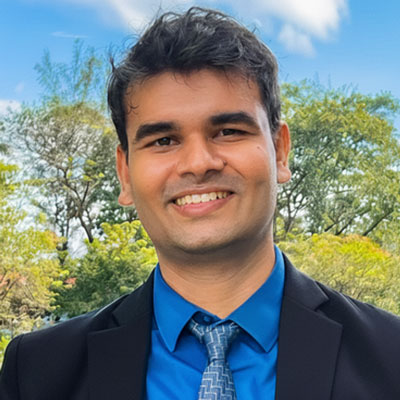
A seasoned marketing professional and a natural on-camera presence, Adeesha Pemananda is a skilled virtual event host and presenter. His extensive experience in brand building and project management provides a unique strategic advantage, allowing him to not only facilitate but also elevate virtual events.
Adeesha is known for his ability to captivate digital audiences, foster interaction, and ensure that the event’s core message resonates with every attendee. Whether you’re planning a global webinar, an interactive workshop, or a multi-session virtual conference, Adeesha brings the perfect blend of professionalism, energy, and technical savvy to guarantee a successful and impactful event.
Connect with Us:
Category: Business of Aesthetics Podcast