In this episode of the Business of Aesthetics Podcast, host Don Adeesha convenes an expert panel featuring Plastic Surgeon Dr. Gregory Buford, Entrepreneur Tiffany DiGiuseppe, Marketing CEO Naren Arulrajah, and Aesthetic Nurse Sonya Ellis to decode the future of practice growth. The conversation tackles the critical challenge of distinguishing between profitable innovation and “shiny object syndrome.” Dr. Buford warns against investing in fleeting “trends” (likening them to Beanie Babies) versus sustainable “trending” technologies. He introduces the powerful strategy of “pre-marketing”, generating patient demand and a waitlist six weeks before a device is even purchased, to ensure immediate ROI and prevent expensive equipment from becoming a “coat hanger” in the device graveyard.
On the operational and digital front, the discussion shifts to navigating the age of AI. Naren Arulrajah explains that while AI is transforming search, Google still prioritizes “human content” and authority (E-E-A-T) over AI-generated text. He urges owners to abandon vanity metrics like website visits in favor of hard ROI metrics, such as call volume and booking conversions, to survive the rise of “zero-click” searches. Complementing this, Tiffany DiGiuseppe argues that technology fails without culture. She outlines a blueprint for hiring based on core values rather than just clinical skills and retaining top talent through shared experiences and group bonuses that foster collective ownership of the practice’s mission.
Finally, Sonya Ellis provides a candid look at the changing clinical landscape, noting a significant 15-20% dip in traditional filler usage due to economic shifts. She argues that the future of profitability lies in the pivot toward “regenerative medicine”, biostimulators, lasers, and functional health, driven by a patient desire to be “pretty on the inside and out”. The panel also explores how to capitalize on the “Ozempic effect,” which has surged demand for body tightening and hair restoration, and highlights the massive, underserved potential of the menopausal demographic as a key driver for future revenue.
Key Takeaways
- Validate Before You Buy
Avoid “shiny object syndrome” by pre-marketing new technology to your existing patients before purchase. If your specific “avatar” doesn’t respond to the offer, save your capital and prevent expensive devices from becoming dust-collecting coat hangers. - Hire for Values, Incentivize Unity
Technical skills can be trained, but core values cannot. Build a high-retention culture by hiring for mission alignment and shifting from individual commissions to group bonuses, transforming staff into a unified team invested in the practice’s collective success. - Human Authority Wins in AI Search
In an age of AI hallucinations, Google prioritizes human expertise (E-E-A-T). Secure visibility by verifying credentials and shifting focus from vanity metrics like “website hits” to hard ROI metrics like call volume and bookings to combat the rise of “zero-click” searches. - Pivot to Regenerative Medicine
As filler demand softens due to economic shifts, future-proof revenue by embracing the “regenerative boom”, biostimulators, lasers, and functional medicine. Adopt a “pretty on the inside, pretty on the outside” philosophy to address longevity and build trust through authentic, needs-based care.
Podcast: Play in new window | Download
Naren explained why the digital marketing landscape is shifting away from social media ads toward authority-driven organic search and measurable ROI. Take those insights from theory to practice by identifying the specific digital growth levers your clinic is currently missing.
- Get a 1-on-1 diagnosis of your online presence & patient acquisition funnel
- Identify critical, untapped growth levers (SEO, Social, Referrals)
- Define a clear action plan to attract and convert your ideal patients
- Receive expert solutions for your most pressing marketing challenges
Subscribe To Our Podcast



Key Highlights:
- 00:00:11 – Introduction & Expert Panel Setup
- Host Don Adeesha introduces the episode’s focus on maximizing practice growth through next-gen injectables, devices, and team training.
- The expert panel features Dr. Gregory Buford (Plastic Surgeon), Tiffany DiGiuseppe (Aesthetic Entrepreneur), Naren Arulrajah (Marketing CEO), and Sonya Ellis (Aesthetic Nurse).
- Dr. Gregory Buford kicks off the discussion by addressing the "million-dollar question" of how to choose new technologies clinically and financially.
View TranscriptDon Adeesha: Welcome back to the Business of Aesthetics podcast on maximizing practice growth with next-gen injectables devices and team training. I’m your host Don Adeesha and it’s great to have you here. We are extremely fortunate to be joined by such an incredible lineup. We got Dr. Gregory Buford, Tiffany DiGiuseppe, Naren Arulrajah, and Sonya Ellis. Each of them brings deep expertise in their area from clinical innovation and team leadership to marketing and patient care.
So first of all, we are going to start off the session with Dr. Gregory Buford. Dr. Buford is a board certified plastic surgeon based in Colorado with over 25 years in practice. He’s recognized internationally for his expertise in minimally invasive rejuvenation and injectables. He’s the author of Beauty and the Business and the founder of the Core Aesthetics Training Institute. Dr. Buford represents the powerful intersection of clinical innovation and business acumen. Dr. Buford, fantastic to have you with us.
Dr. Gregory Buford: Don, I’m honored to be on here and honored to be on with my guest panelists. I’ll see if I can keep up with these people here. So see if I can stay smart.
Don Adeesha: Absolutely. You’ve seen technology evolve dramatically over the years, both clinically and strategically, right? So with so many emerging technologies, how do you determine which new injectable or devices are worth integrating into your practice, both clinically and financially?
- 00:01:53 – Strategic Device Integration & Avoiding Shiny Object Syndrome
- Dr. Buford advises asking trusted colleagues and checking Scientific Advisory Boards rather than relying solely on sales reps to evaluate new devices.
- He introduces "Pre-Marketing," suggesting clinics create buzz and gauge demand on social media six weeks before purchasing to avoid dead inventory.
- Understanding the specific "avatar" (target demographic) is crucial to tailor marketing and ensure the technology fits the patient base.
View TranscriptDr. Gregory Buford: Well, I think that literally is a million dollar question. I mean, for practices that are seven figures, that truly is the million dollar question, because there’s a lot of shiny objects out there. I mean, it’s kind of like squirrel, squirrel. Every time you go to a meeting that there’s this, there’s that, there’s this. They always say that the most dangerous days are the Mondays after a meeting, because everyone comes back. My staff hate me when I come back from these meetings because I’m all energized and they’re like, "Dr. B, OK, what are you going to change this time?" So we all come back with these ideas. You know, we find these lotions, potions, energy based devices that we think are going to save the world.
The question is, and as you pose it, and I think this is a very, very solid question, is how do you actually choose what to bring on? And here’s a quick and easy answer. Ask around. Now, no offense to the device reps or anything like that. But that’s not who I use for my source of information. I would say I’m very honored… I’m no one important, but I’m very honored to have a lot of some of my good friends, colleagues around the world that are mid-levels, MDs, practice consultants, people that really know this industry. And what I do is I actually reach out to them. And so I reach out to them and say, "You know what? There’s a new device out here. There’s a new energy-based device. What have you heard about it? Who’s on its board?"
I always look at advisory boards. The scientific advisory board to me makes a huge difference. It tells me, are they getting the people that are really thought leaders? Are they really being guided by a group of people that know what they’re doing? I look at the C-suite as well, too. I mean, I’ve been in this industry for two and a half decades, so I’ve kind of gotten to know a lot of people. I know who’s kind of, hate to say it, full of it and who’s not. And I think my colleagues here would agree. I mean, there’s a lot of shiny objects out there.
So, what I would say for those people watching, there’s a difference between trending and trends, okay? Trending means that it’s trending towards being something that you can wrap your arms around. Trends come and go, okay? Trends are your pet rocks. Trends are your little, what are those little dolls we’ve collected earlier on? Not me. I didn’t collect the dolls. But the Beanie Babies, the Beanie Babies. So those are the trends. You want to avoid those because I always say that every office has a device graveyard. And that is a room. If you go down the hall, you open it up and there’s six to 10 devices sitting in there laden with dust. The only thing that I like laden with dust is old bottles of wine in a cellar. That’s good dust. OK, that’s really good dust. The dust on the EBDs, though, that’s not good dust because the problem is you’re still probably paying a lease on those.
And so it looked great at the meeting. There was all this information. Again, there was all this hoopla and so forth. You thought that you were going to hop on this trend only to figure out that either one, the device didn’t work. I mean, raise your hand if you’ve ever been through that. I’m sure all of us have. You know, we’ve been sold a bill of goods that this thing is going to be so good. And then you went back and it didn’t work or as bad. There was no demand for it. You sell something, you think, "Oh, my patients are all going to ask for it." Crickets. OK, crickets.
So what I do is before I go to a meeting, I try to figure out the pulse of what’s going on. OK, what’s going to be there? Who do I want to see? And then if I’m really thinking about getting a device and I learned this a couple of years ago, I didn’t come up with this idea. This was a colleague of mine that gave this idea to me. But if you’re really serious about buying a device, pre-market it, okay? Pre-market it. Sell it before you get it. And market it before you get it.
The biggest mistake that clinics make, think about this, they go to a meeting, it’s ground zero, they buy the device, and then they just say, "Oh, now we have this device, we have this $200,000 device, and now the lease payments start next month. But we have no demand in the practice, none of our staff know anything about it, and none of our patients know anything about it." Instead, what you do is you create a backlog. OK, you create a demand before you even have something. So a couple of weeks before, six weeks before you post on your social media, TikTok, Instagram, Facebook, whatever it is. "Hey, guys. we’re doing this… we’re gonna pulse… we’re gonna see how much interest there is in this whether it’s cellulite skin tightening what have you and we say we’re getting this device how many of you generally genuinely interested in this okay show of hands." Show of hands is just basically the hearts the likes whatever the comments see the buzz. If there is crickets and you don’t have any, then why buy the device? Because now you’ve got crickets, but now you’ve got a device and you’ve got these monthly payments.
So what I do is I try to put my finger on the pulse before I get the device. I try to pre-sell it before I get the device. And once you do that, there are friends of mine that I know that have actually literally almost paid off their device before they even bring it on because they have so much interest build up. But think about this. If you’re going to market something, it takes three to six months to really set up a good marketing campaign. So even I would say I’m going to correct myself, not even four weeks before, but longer than that beforehand. And really, really build up that buzz. Because what you don’t want to do is have to start fresh. And now you’re paying for something. It’s kind of like having a nice car, but not having the keys for three to six months. You can’t drive it. You can’t have fun with it. It’s basically sitting there doing nothing. And that’s the same thing with your device if you don’t have it.
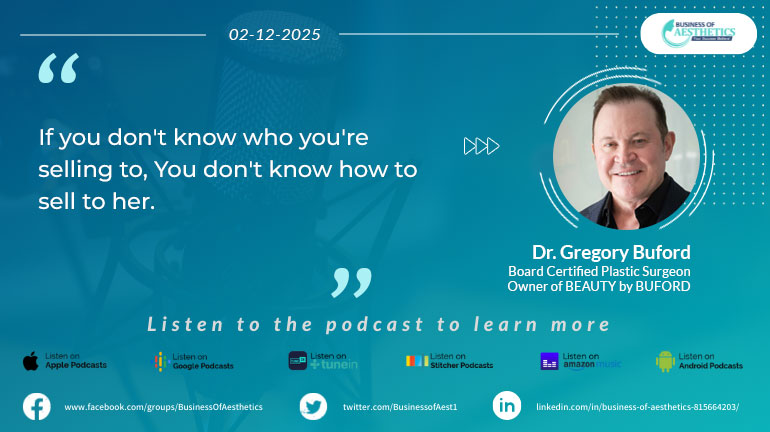
Being kind of the old fart on the podcast, I’ve seen enough of these that you know, so much stuff is bells and whistles. I mean, it’s just, and it’s shiny objects. It’s the emperor has no clothes, so to speak. So really, I mean, really, really vetted out. Also, you know, look at your audience, okay? Who is your audience? I mean, is your audience know your avatar? And this is something that a marketing professional taught me early on. If you don’t know who you’re selling to, you don’t know how to sell to her. And I say to her because a majority, whether, you know, we all talk about getting guys in the marketplace. That’s BS. I’m sorry. That’s, that’s guys are, we’re not as smart as the women and we really are not. The reason that I, I, I look at, I lost my train of thought here. Sorry. Thinking so far ahead. Um, okay. I’m having a senior moment. Help me out.
Don Adeesha: You were talking about know who to talk to in your avatar.
Dr. Gregory Buford: Oh, thank you. Yeah. Thank you. I owe you one.
Don Adeesha: Knowing your audience. I’m so excited. I want you to finish.
Dr. Gregory Buford: Absolutely. Yeah. So know your avatar. I mean, this is so, so important because know how old she is, know where she lives, know her age, know her education, know all this stuff, because then you know how to speak to her. If you’re doing something that you’re selling to mostly millennials or Gen Zs for prejuvenation, you’re going to speak to them very, very differently than you’re going to speak to my generation. Okay. And also too, if you’re speaking to more women, you’re going to speak to them very differently, different language and so forth, then you’re going to to a male audience. It can’t be a one size fits all. And that’s the biggest mistake people make. They don’t know who their avatar is. So know that person, really define and hone that in. Whether you’re in Beverly Hills or in Boise, Idaho, it doesn’t matter. Know exactly who you’re selling to and also know too the type of practice that you want.
Because not every practice, I mean, there are purely injectable practices. There are big cool sculpting practices. I mean, that’s great. Is one better than the other? It really depends. It depends on the type of clients that you want to see. Surgery wise, I don’t do any. I really do very little face. I do mostly breast and body because I love working with young moms. OK, I mean, that’s the really the patient population that I really I really thrive working with. They’re wonderful, wonderful people. And so I don’t work with as many 18 year olds, 25 year olds. I don’t work with a lot of 70 year olds. OK, I work with kind of that in between group and knowing that group when I do marketing strategies, when I set up events and all that kind of stuff, I know exactly what I’m serving. OK, you’re having a dinner party. All right. You don’t want to serve cheeseburgers to a bunch of vegans. Right. It’s not going to end very well. Right.
But that’s what everyone does with their events. They go, "Oh, it’s going to be a big event." "Well, who you saw?" "Oh, well, just the cosmetic patients." What the hell does that mean? I mean, there are 80-year-old cosmetic patients and there’s 18-year-old cosmetic patients with very, very different needs. So I think one of the most important things starting out is know all these things in advance. Really, really think about it.
The other thing I would say too, and I’ve become a huge fan of ChatGPT. I absolutely love ChatGPT. I use it multiple times a day. Okay. I’ll probably be dumbed down after a while. I’m probably not going to be able to think on my own in the next week. But what I do is I look at strategies and I design strategies actually using ChatGPT. And I do that. I say, "You know what? Design a campaign based upon XYZ with this age group in this part of the country. And I want to design it in this type of a tone, professional tone or a playful tone or what have you." And it’s crazy. It will actually design the whole thing for you. We’ve done events that ChatGPT is actually completely designed. So these resources, everyone talks about, "Oh, my God, when AI is here." Wake up. AI is here. It’s been here. It’s been sleeping on the couch for six months. You know, it’s been living with you. So use it as much as you can. Use all these resources.
The other thing I would say is, is working with companies, get to know the company. There’s a saying that I love and that’s, "How do you get rid of a laser rep? Buy a laser." And it’s so true. I mean, now I will tell you, I mean, big shout out to, I’ll keep it out of products right now, but there’s only a handful of companies that I really enjoy working with. And there’s a couple of companies that know that are persona non gratis at my office because they’re a real pain in the you know what? They really are. And the way that I see industry is, you know, and this is something that I always have to kind of shiver when I hear people say this about how destructive industry is and they’re so negative and so forth. They’re guys, they’re people just like us. They’re people just like us. And if you make it a win-win scenario, I work very closely at a very high level with multiple industry players. And the way that I do that is I make it a win-win scenario, okay? That if I’m going to utilize their device, I’m going to help promote. I try to be on their advisory boards. And I do that not because I need something more on my CV, but so I can actually help build that device, help with protocols, help give feedback, all that kind of stuff. But on the other end, if I have any issues with training or anything like that, I know who to call and they’re going to say, "Well, you know what? Buford was there and you know what? He’s been a good partner for us. Let’s get a trainer out. Let’s make sure that they know advanced protocols. Let’s make sure that they’re in the loop and so forth." Look at all your industry players as teammates, okay? As teammates, not the adversaries because what you see is what it will become. If you see industry as adversarial, it will be adversarial. So pick your partners wisely and I don’t know. That was a long winded answer to that.
Don Adeesha: Yes. But absolutely, Dr. Buford, you know, that was, I mean, superb answer. I was just I did not want to stop you at all, you know, because you were answering right off the bat. Everything that was said here, you know, ask around first of all, you know, about when you are determining which injectables or devices are worth integrating into your space you know ask around reach out to people who have already experienced with it your colleagues and then you know figure out the difference between trends and trending pre-market the device build a bus before you get it through the door and of course know your audience as well as know yourself right and what you like to practice of course designing campaigns and of course and these are pretty high level, you know, making a win-win scenario with the companies that produces the device. I mean, wonderful. Thank you very much, Doc, for that wonderfully comprehensive answer, really.
- 00:15:34 – Operationalizing Strategy, Avoiding "Coat Hangers" & Team Culture
- Tiffany DiGiuseppe warns against buying "coat hangers" (unused devices) and recommends using surveys to validate patient interest before investing.
- Building a high-performance team requires hiring for core values and mission alignment first, as clinical skills can be trained but values cannot.
- To retain staff and foster culture, she invests in team retreats and family-inclusive events, and shifts from individual bonuses to group bonuses.
View TranscriptDon Adeesha: So for our next segment, we have Tiffany DiGiuseppe. Tiffany is a veteran aesthetic entrepreneur with more than 20 years in health care and 14 years in medical aesthetics. She is the founder of Admire Aesthetics in Medford, Oregon and creator of the Med Spa Success coaching program. Tiffany is known for scaling med spas to multi-seven-figure operations while maintaining culture and patients’ excellence. Tiffany, wonderful to have you with us here.
Tiffany DiGiuseppe: Thank you so much for having me. It’s a pleasure to be here.
Don Adeesha: All right. So, Tiffany, you live in the real world of implementation, turning strategy, what Dr. Buford just built on, into systems, right? So, let’s dive in. With new devices launching constantly, right? How can a practice avoid shiny object syndrome and strategically choose technologies that align with long-term growth?
Tiffany DiGiuseppe: You know, I love this and it is, I feel like one of the biggest caveats us as business owners face, you know, we are in an industry where just like Dr. said, there’s so many amazing things that come to the forefront and new devices. And even though we may love them, are they a good fit for what we’re building is really the purpose, right? You can buy, and I think we’ve all done it. I know I’ve had my fair share. I get to work with so many practices because I’ve made so many mistakes over the years. It’s not an easy task. But I have spent hundreds of thousands of dollars in devices and come to find out they collect desks or we call them coat hangers. You know, they do sit in that closet. And that’s a painful process when you are working so hard to build towards your dreams of having fruitful practices and serving your patients the most.
So when we navigate that, I think it really goes back to the home base. And it really, what is going to serve your clients? Who’s your ideal clientele? And he talked about an avatar. And really, that’s the exact same thing as what I call an ideal client, because you’re building this person. So when we’re establishing our practice, I like to take it to the starting point and say, what is your purpose here? What is your purpose? Who do you want to serve? And I go as far as having them name. We name who that avatar is. This is who she is. This is what she drives. This is how old she is. And these are the things that she struggles with. So, or this is what she’s hoping for. This is what she wants to change. And then it’s easy when you have such a clear picture on who that avatar is and who you want to serve to know if an advice aligns in that category.
So I think that that alone weeds out a lot of the shiny objects. You know, there was a really neat acne device that came to market a few years ago. And I so badly wanted it because there’s so many people I love that I know have struggled with acne. And I thought, this is a breakthrough. This is amazing. It’s a phenomenal. And yeah, I could get it. The reality is it’s not a fit. And as much as I love it, the people I’m serving wouldn’t find a benefit in it. So it does go back to that and really mitigating right from the show. I’m looking at this device. This is the problem it solves. And does that align with what my ideal client or my avatar’s problem is? Is it going to benefit them to have this treatment and service? And if it’s no, then it weeds it out real quick. And if it is up for yes, then we jump through, start really lining up the dominoes for looking at the studies.
And he hit a lot on that in his talk a few minutes ago about, you know, looking at the basis and talking to colleagues. It’s so important. I have so many amazing groups that I’m blessed to be involved in and people I get to, I’ve coordinated with through many years of, I can bounce it off of them. Hey, do you have experience with this? What’s your feel back? I can put a chat in a group and see, I can get the pros and cons on what people are experiencing from it. Um, So it’s important to have that network. we all need it it’s a support team um and don’t we take for granted how valuable that can be because i i am in the same place don’t listen to the reps their job is to sell you a device you know um and a lot of them i actually have learned over all my years in here to really love and but i do see them go from one company to another company to another company and we experience that over time. So their job is to get that device in your practice and they will show you all of the great stuff about it. But we want to know the cons, right? Just like we’re going to relinquish to our clients when they’re doing those services. These are the pros and cons. There’s a transparency is huge. And the people who are going to be the most transparent with us are people who are not invested in our success or the product alone. So, yeah.
Don Adeesha: Yeah. Sorry. Sorry to cut you off. Please continue.
Tiffany DiGiuseppe: Oh, you’re fine. So having that resource of availability to go to someone and, you know, say, "Hey, what is your experience? What do you like? What do you not like?" And then looking at alignment with all the clinical studies and all the different rapport that’s with it. You can create a really good blanket to know if this is going to be a fruitful device. I love the idea of putting it out there on social media. putting it out there in a contact or when you’re meeting with the clients, your teams are there. Is this something you would be interested in? Surveys are great. If we were to bring something new into our practice, what would be an area of interest for you if you’re really wanting to know what your ideal client is struggling with? So there’s a lot of avenues to take, but I think those are really easy ways to mitigate part of that shiny object syndrome right out the door.
Don Adeesha: Tiffany, I had a quick question just to follow up, Adisha. So let’s say you have an existing practice, right? Let’s say you’re doing a million dollars in revenue and you’re going to make this investment. And Dr. Buford said this and you said it. A lot of people invest in shiny objects and then it’s a waste of money. So how do you kind of figure out, hey, is this going to work for my ideal client? In other words, is there like a simple exercise you go through and do some calculations? Sorry.
Tiffany DiGiuseppe: So yeah, ultimately, I love the option to a survey. So the people who are already engaged with you. And I’ve had a lot of the practices I work with when, especially as they’re newer and they’re saying, "OK, well, we have these and we’re doing really good. We’re ready to expand and bring in another device." then they have multiple avenues they can come from. And we list a few, you know, would you like to treat cellulite? Would you like to smooth out fine lines and wrinkles? Are you worried about fat? Would you like to do contouring or muscle? But you can put that in a little survey and then everyone who comes in just, "Hey, if you wouldn’t mind taking a moment, give us a little feedback because then you’re hearing it straight from the people who are already investing in you." You’re knowing right there where your fruit is, where to put your money. And if you run that, say, a month, two months before, you start really looking at devices and you can say, "Okay, look, we’re seeing 80% of our people are really hungry for something that helps with fine lines and wrinkles." And then you start dissecting those devices instead of looking at so many different options. That helps to narrow it down.
And then taking it a step further, yes, posting it on social media. "Hey, these are the four things we’re talking about or devices, or give me a thumbs up or rate them from one to four. What would you have the most interest in?" But getting people’s input and getting people involved, number one, it’s helpful because they know that you care about their opinion and how you’re gonna service them the most. So that speaks gravity on building that culture with your clientele. But it also alone really stands out and helps you dictate devices because you’re hearing it from people who are already investing in you.
Don Adeesha: Right. So what I’m hearing here is like to avoid that shiny object syndrome, Tiffany, and strategically choose technologies aligning with long term growth. It seems like you’re trying to find out the problems in the market and then offering your device as a solution. Is that the better way to think of it instead of buying the device first and then hoping the market appreciates it?
Tiffany DiGiuseppe: Yeah, 100%. And I would say to even get a little more precise than just the market, I think it’s really your clientele because that’s different per demographic, right? Some of the practices that I work with are in large metropolitan areas or we’re in Beverly Hills, New York City, where people, what they’re wanting is different than people in a different area. You know, a couple of my practices are through the Oregon corridor and there you’re dealing with People that are country, they want more natural results. They don’t want anyone knowing they’ve had something done. So it’s not it’s really specific to your particular demographic, who you’re wanting to serve and what your client’s problems are. Absolutely.
Don Adeesha: Right. Right. And what do you think are the key factors in building a high performance team culture that supports growth?
Tiffany DiGiuseppe: So building teams is probably something that I love the most because I do feel like there is not a recipe that fits all for every practice. And I take that all the way back to what are the core values? What is the purpose? And when you hire anybody, do they align with that? Because a lot of it, yes, we need the experience to a degree, but we can’t teach people core values. And if our team is all out of misalignment in that regard, then it’s really hard to bring anybody into the same goals or set these, you know, where we’re gonna focus on achieving these together. And where my vision for my practices go, I need to know that who I’m bringing in to help me achieve that aligns with the same core instincts and values.
So one of my hiring processes is right off the bat, and I’ve done this for years, I’ll ask candidates, you know, "What, do you know what our mission is? Do you know what our purpose is? Do you know what we’re out for?" And if they haven’t done any time to look into it, honestly, it just kind of weeds it out because I’m looking for people for long-term. We put a lot of money into training. We put a lot of time into our teams and it’s an investment from every direction. So it’s imperative that if we’re wanting to do that and we’re putting it out, that we’re hiring people that align with those same goals as much as possible. My teams, many of my employees have been with me for several years. A few of them have moved states to work with other practices of mine. It’s an amazing opportunity and I build relationships, but I also am very slow to hire. So when I’m hiring, I do put that work in upfront into the culture because it’s huge.
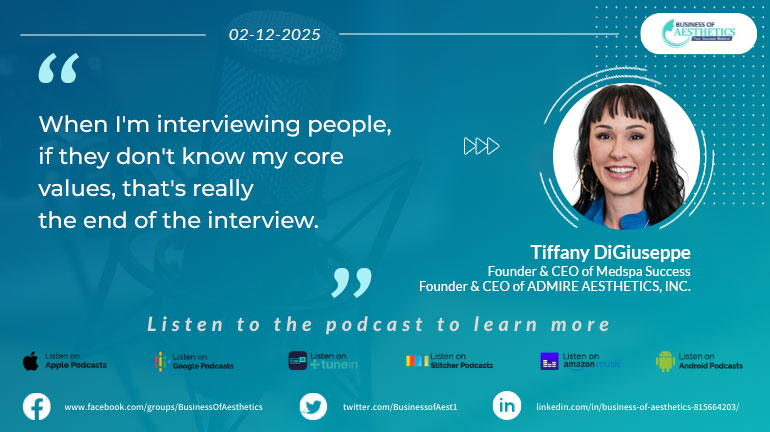
Like I said, you can retrain a bad habit in a certain area of practice, And I agree, they all still need to have a good clinical knowledge. You’re in a field of that. So that doesn’t get undermined in any regard. But I think that something that isn’t looked at enough is the core center of that person that’s gonna be adding to you. We’re trusting them with the dynamic of our practice. We’re trusting that they’re gonna be hired and they’re a piece of that puzzle that’s gonna take our business where we want it to go. So getting that culture is alignment. And when I’m interviewing people, if they don’t know my core values, that’s really the end of the interview. "Mission and core values, you know, have you looked at us? Do you know about our business? Are you just looking for a paycheck and somewhere to go to work, clock in and clock out?" Because that’s not the mindset that aligns with me. So, you know, it’s a really easy conversation. Either they know it and that’s great and we can continue on and let’s learn about each other and then doing a lot of background work into that culture.
But I think once you have your team hired, there’s also an investment that goes into that. You know, I close my practices for a week every single year and I take my girls on a vacation. And it’s so important to keep that connection there when you keep people. And honestly, like a lot of people in aesthetics were women and it’s tough working for a group of women all the time. We’re all going through different things and it just creates. So you need to have reconnective periods. Every year I do a couple of different events with my teams where they bring their spouses and their children so that it’s a family network. And then there’s a week, a year where I just take my teams and And we go away for a week and we do an all-inclusive vacation together somewhere. And it’s fun. It’s laughter. It’s reconnecting. It’s watering what it is that I want my grass to grow, right? So it’s pouring into that. And it’s an expense. It just gets put in. It’s part of what I consider in my wages.
And also making sure, you know, it was interesting because I’ve been on a few different employment boards and Years ago, we did a study and what people looked for in employment and what made them happy was their pay, right? They were all looking for how much we can make. Well, that’s really taken a shift over the last decade. And people now are wanting flexibility. Moms, they want to be able to be with their children. They want the flexibility of sports and school schedules. And I think building our practices to where we’re also allowing that, right? We’re caring about them. We’re caring about the teams that we’re creating. Um, and we steer towards, instead of individual bonuses within, you know, sales structures or however we all do that a little bit differently, but there’s something really powerful about coming away from those independent bonuses and creating group bonuses. You’re again, harvesting that culture.
So come, you know, building that healthy culture doesn’t come from one area. If you want the growth, you’re going to be pulling it in from multiple angles and it’s taking care of your staff it’s loving them respecting them as people it’s having very solid and clear boundaries for your business and where you want to take it and making sure that when you’re bringing people in they align with that and then also really having a clear path in business so that your team understands where they’re going. It’s really hard for anybody to be invested in a business if they don’t know what your mission is. If they don’t know what your goal is in the next 10 years, what are they working towards? People want to belong. They want to be a part of something. And when we create a business that allows that, the growth is insane that comes through it. The investment you get from people goes beyond just the paycheck. They’re a part of it. You’ve made them, they’re a piece of the puzzle and they know that they’re needed.
Don Adeesha: Wow, that’s very powerful, Tiffany. I mean, you’ve mentioned a couple of key factors here. Aligning core values, number one, it’s a must. Otherwise, right off the bat, things are going to go south. And then, of course, building a connection, reconnecting with the team on a more out-of-work basis, perhaps. And then, of course, allowing that flexibility seems to be the way to go. And perhaps thinking about those performance incentives as a group bonus just to allow for that culture to foster within the group itself. Right. And then, of course, having that clear path in business, of course, steering the ship in the right direction and That’ll get everyone’s buy-in right.
- 00:31:54 – Dominating Search in the Age of AI, E-E-A-T & Metrics
- Naren Arulrajah explains that while AI is growing, Google still dominates search, and practices must prioritize "Human Content" and E-E-A-T to avoid AI hallucinations.
- Metrics for success are shifting from website visits to ROI metrics like calls and new patient bookings, especially with the rise of "zero-click" searches.
- Improving call conversion is critical, as many practices miss 2 out of 3 new patient calls; Naren offers a strategy meeting at www.businessofaesthetics.org/msm to analyze this.
View TranscriptDon Adeesha: So we have here the founder of Business of Aesthetics himself, as well as the CEO of Echo Marketing, Naren Arulrajah, global leader in healthcare and aesthetic marketing. A Cialdini certified professional, Naren helps practices ethically influence patient decision making through trust and visibility. With over 18 years in digital marketing, helping healthcare professionals all over North America. He’s helped hundreds of clinics grow from stable to thriving. It’s wonderful to have you here, Naren.
Naren Arulrajah: Thank you. Thank you, Adisha. I really appreciate it. You know, I’m so glad we’re able to talk about a really important topic. And the topic is maximizing practice growth with next-gen injectables, devices, and team training. But I’m going to focus on AI specifically. Like, you know, how is AI? Because everybody’s talking about AI and we all know AI is here to stay. And I love the quote from Bill Gates who said, people will overestimate the impact of the internet in the short term, but they will underestimate the impact of a transformational technology in the long term. I do think that’s exactly what’s gonna happen. You wake up 20 years from now, you won’t even recognize the lives we’re gonna lead. I don’t know what it’s gonna look like, but I know there’s gonna be tons of robots, Humans will just do the things they want to do, not the things they have to do because robots will do everything else.
But anyways, I digress. So it’s going to be fun kind of how do you navigate 2025? We’re already seeing it, right? Companies are not hiring people. I mean, supposedly people are investing trillions of dollars, but it’s not turning into jobs. Why? Because Amazon already said they will eliminate half a million jobs within the next 10 years where robots will replace people. And these are not like theoretical conceptual thing. These are happening today. So it’s kind of a stressful time, but I think you can play to your advantage. So hopefully you learn a couple of things about AI and how to use it from a marketing perspective.
Don Adeesha: Absolutely. How to use it as well as how to lead it. So let’s talk about that, Naren. AI is here to stay, as you mentioned. How can practices not get left behind in the age of AI, but rather lead?
Naren Arulrajah: Yeah, I’m going to really focus on marketing, which is my domain as the founder of business of aesthetics. I also founded the Aquamarketing digital agency. So that’s the space where I live and breathe. And we have a team of 300 people who live and breathe with me. So obviously, the big hype is all around ChatGPT. And one of the questions I get a lot from my clients is, is ChatGPT going to replace Google? And it’s a fair question. And a lot of research has been done on this. In a nutshell, today, the amount of people who use ChatGPT, the way Google is used to kind of quote unquote search is one to 1386. In other words, Google search is 386 times bigger than ChatGPT when it comes to those queries. Yes, we use ChatGPT for summarizing an email, drafting an email, summarizing a document. But Google is what, used 12 billion times a day chat gpt is used 180 million times a day so it’s like order of magnitude 300 times bigger so now i’m not saying ignore chat gpt but just keep in mind even if chat gpt were a 6x it’s going to be hard to compete with google and the reason is humans are creatures of habit and google has become a habit google you know local search is used 5 billion times a day google regular search is used 12 billion times a day just how that’s how people do it.
Now, Google was kind of lagging behind. But over the last, you know, two, three months, Google has come roaring back. And the reason is, they have the most data up to date data of any company on the planet. They have the most compute of any company, meaning servers and infrastructure, because you know, they make 400 billion in revenue. So they just throw 100 billion every year in like, you know, building their tech. So obviously you saw that in the stock price, Google stock price went up by a trillion dollars in the last two to three months. So I do think Google is where it’s at today and I just wanna show you some numbers so you understand what I mean. At the end of the day, marketing is about getting people to know you, like you and trust you. So you wanna make sure you are capturing as many people as possible. So this is one of our clients and their monthly report, Thrive Portland, so in the city of Portland. In the month of September, 119,000 people saw Thrive Portland on Google, just on Google alone, right? 119,000 people. And why did these 119,000 people see Thrive Portland? Because there was a total of 539 keywords and phrases these people typed in, where Thrive Portland was the answer that Google showed them in the top 10 results, meaning when they typed in whatever they typed in, Thrive Portland showed up 10 times. Sorry, in the top 10 results, 539 times. And that turned into 471 inbound calls. So typically 20% of new clients. So you’re looking at 100 plus new clients at least who call the office from this 119,000 people.
So I do think that’s where you wanna lean in. So for example, Skin Tightening Portland, 468 people typed it in. Without spending one cent on ads, they’re showing up at the very top of Google. Average rank 3.18. Body sculpting Portland, 431, 7.95. RF skin tightening Portland, 372 people. This is all in a single month. So you want to make sure whatever people are typing in, you are showing up consistently at the top of Google results. So I don’t want to, you know, go on and on and on because, you know, there’s literally like 500 keywords. But I just want you to understand how the world works.
So step one is when people are doing these kind of searches, you want to show up. Now, Google has come up with something called AI mode and AI overview. So AI mode is where you literally like chat, JPT, go to a separate platform. session, part of Google and start doing search. It searches a bunch of, you know, 50 websites and tell you what the answers are. Now, very few people are using AI mode because it’s not default and it’s not normal. Of course, there are certain cases where AI mode is wonderful. So let’s say you have a landlord and the landlord is giving you hell. You might say, hey, you know, Google AI mode, AI mode. tell me based on the laws of whatever state you are in, how can I draft a letter that would be kosher in that state? Boom. Google goes, reads up all the laws, figures out what your rights are and what your rights are not. You might even upload Google your contract. And based on that, you’ll come back with a letter. Now, instead of hiring a lawyer and paying all this money and waiting two weeks to get this, you can get it done in a few minutes.
But AI overview is think of it like an AI summary. So if I were to type in a query like Botox prices in Portland, Google knows the person wants to get a kind of a paragraph answer. So Google will read up all the websites that talk about prices for Botox in Portland. And it will summarize, you know, prices for Botox can range from this to this. And then it will show as sources those websites that talk about prices. So now you want to make sure you’re showing up in the AI overview as well as regular search. Regular search is, you know, Google Maps, you know, Google Maps. regular search and pretty people so google is looking for what’s called intent so in other words if the person typing in is looking to find a business or information it’ll give you direct answers if the person is looking to you know get a summary then it’ll give you you know that paragraph answer but either ways you can be embedded in it so anyway that’s my two cents on like how to think about this and how to respond to it.
Don Adeesha: Okay. And a follow-up question, Naren. What are the keys to the success in the age of AI? How can we understand that since it’s so new to a lot of us?
Naren Arulrajah: Yeah. Now, part of AI is you are now generating content using AI, right? You can ask JGPT or Google to write a paper, write an email. So a lot of the content that’s getting published on the internet is not human generated anymore. It’s AI generated. And Google doesn’t want that. Why? Because you are in healthcare. If this hallucinating AI says something and it’s wrong and Google shows that result and somebody gets sick, you’re going to blame Google saying, hey, why did you send me to this incorrect page with incorrect information? So Google prefers human content. So there’s something called EEAT. This is like your credentials as a provider. So if you have a particular degree, particular qualifications, make sure it’s set up the right way and Google can read it. So every page has to have your bio set up the right way. So this is becoming hugely important. And unfortunately or fortunately, universities are starting to pop up again because Google knows somebody who goes to a quote unquote university and gets a degree must know what they’re talking about. Otherwise, they won’t get that degree. So those kind of name brand universities and so forth tend to help you. So definitely highlight your bio in a certain way. So that’s one tip. Very, very, very important.
Even though we live in the world of AI, Google is prioritizing human content from qualified professionals. So make sure you’re doing that. Second thing is, Google used to have something called Google Lighthouse Code, which was looking at your entire website and what you’re doing and everything else. Now it’s replaced by something called Chrome UX. Now in the old days, you could target specific keywords and do specific things. Now you shouldn’t. You should do what Google is telling you, across your website. So if you have what Google considers a good website in all kinds of ways, Google is gonna reward you. If you have what Google considers is not a great website, Google is gonna punish you. So a lot of the hacking, like where you target one or two keywords is not gonna work for you. So think, do the right thing and Google will reward you. Do the wrong thing and Google will punish you. i’m sure some of you may have heard me say that you know paid ads are 10 times more costly which means a ceo is limited to only like three four five percent of you like thrive portland example i showed you he’s in the top one percent or that practice in the top one person in entire portland when it comes to ranking for 500 keywords and seen by 100 000 people right so it’s getting harder and harder. So the only way to overcome that is do everything Google wants precisely the way they want it. And if you do, you will have an unfair advantage when it comes to people seeing you, you know, tens of thousands of times.
And last thing I want to mention is a lot of other metrics are changing. We used to love visits to the website. Now you don’t need to go to the website. Already you can get the phone number from Google Maps. You can get directions from Google Maps. Same way you can get the phone number and information about your practice from AI overview. So you don’t need to go to the website. So don’t panic if you see your website traffic drop. Focus on the ROI metrics. So have a call tracking number, have a landing page and track those. At the end of the day, you don’t care if they call the phone number on Google Maps or they call, you know, get you through AIO view. What you care is how many people are coming from this, you know, organic marketing funnel. So if you have a unique tracking number, you know exactly how many calls you got. Like I showed you the report, he’s getting 487 calls in a single month. That’s what you want. So don’t worry about a lot of these other metrics which are changing. Focus on the ROI metrics. That’s my key point. That way you know if your ROI is getting better over time or not.
Don Adeesha: Right. So Naren, some of the keys, as I understood it, to success in the age of AI is definitely not to be so focused on AI because Google absolutely knows that AI hallucinates and that content generated by AI can’t be 100% trusted. So definitely Google has doubled down on AI. appreciating human content produced by credentialed professionals. So keep doing that if you are already. If not, it’s a great place to start at. And then, of course, focus on what matters. Focus on ROI metrics and not the vanity ones, such as visits to website. Because with AI Overview, we are seeing that zero-click activity issue coming up because no one is really moving into your website, right? But nevertheless, they can get your phone number straight out of the AI overview if you had a good E-E-A-T. Now, Naren, ECWA has dominated the search market for the past nearly two decades, right? So now, how is ECWA helping practices in the age of AI and what should practice owners look for from their marketing firms like Equa?
Naren Arulrajah: Yeah, I mean, I love the word crush your competition. That used to be a tagline and some people got offended by it. So we got rid of it, but that’s what we try to do. We try to help that one or two clients we have in that area really dominate, meaning not one or two keywords, but 100 plus keywords, you know, in the tops and just really dominate. Now, in the world of AI, we have fundamentally changed everything. So we have been spending the last six months like revamping everything. The world has changed for good. AI is here to stay. And it’s very, very, very clear that both Google and other platforms are going this way. So we are not only focusing on Google, we are focusing on ChatGPT. We are focusing on perplexity. I mean, we think the chance of, you know, ChatGPT becoming even 5% of Google when it comes to search and, you know, finding a local business is very, very low because they have to like quadruple or go up, grow 5X. Already, OpenAI is complaining to the European Commission saying, you know, Google has such a dominance that it’s hard to compete with these guys. But anyways, of course, Trump doesn’t care, but Europeans obviously listen to anybody who complains about competition. So… I guess they’re going to Europe and trying to complain, but I don’t think Europe will do anything because I don’t think the US administration will let them put down a company because of the competition.
Anyways, I’m getting into politics and business and whatnot, but in a high level, our focus is to make sure our clients are dominating JGPT, OpenAI, and Google, And we have published a five-part document to all of our clients explaining what we are doing. In a nutshell, we are focusing on the entire website and focusing on the things that Google really cares about. So CRUX is really, really important. So we literally track all the things that Google is telling us we are not doing as well as we could be, and then just start doing it. We track how many… how many keywords are ranking on AI overview? How many keywords are ranking on regular search? How many keywords are ranking on chat GPT? How many keywords are ranking on perplexity? And we report on all of these, like some on monthly and some on a quarterly basis. And we have 14 teams working on it. So AI is changing everything. And you just have to lean into it. You can’t just hope and pray. And I do think… The other thing we are noticing is social media is becoming less popular. I actually went to a venture capital conversation today and one of the venture capitalists, he started a company that was sold for a billion dollars. Very smart guy. He’s now running his venture capital firm. he’s saying that he’s noticing the amount of time people spend on social media especially young people because they are the leading indicators is dropping a lot and the reason is um you know they’re just the same old too many ads just ad after ad after ad right videos every three videos there’s ads so it’s not really helping people and it’s just like just a way to make money so um So what we are noticing is the impact that social media is having when it comes to at least aesthetics is not growing because a lot of times you’re watching an ad of something unrelated and they’re showing you a random ad to a med spa or a local practice. And I’m not interested in that. I’m consumed by whatever I’m into, whether it’s cooking videos or whether it’s hunting videos, whatever it is, I’m just engrossed by it and this ad shows up in the middle. I think, I do think, you know, just looking at the crystal ball, you know, make sure you are ranking on all these search engines, including Google, but you know, and you’re doing all the things correctly. And one way to know is look at your ROI metrics. If your ROI metrics are dropping, like you need to know how many calls are coming in from your organic marketing. And is that number 400, 500, you know, 100, 150, you know, and you want to make sure that number is growing over time. If it’s not growing over time or it’s dropping, then you have problems. And usually you will see that pretty quickly in today’s world because things move very fast.
Don Adeesha: So just to recap over there, since you mentioned Equa also looks at these growing ROIs, right? And they are absolutely actively impacting this and are communicating it back to the client. As well as there is a shift from social media usage as well so dominating ai based search so as you mentioned chat gpt perplexity and of course the big one google gemini which is the google’s ai version always takes precedent in this news age of search driven by AI, right? Naren, we are almost approaching the end time over here, but I want to quickly get about the metrics and analytics, you know, those things that Equatrack to show real marketing impact and guide decision making. You mentioned the ROIs. Can we talk a little bit about that?
Naren Arulrajah: Absolutely. That’s a great question. So like I said, do not not get caught up on visitors and other kind of metrics because they are becoming less and less meaningful as we move into the world of AI. What is never gonna change is ROI metrics. So what are the ROI metrics? How many people are calling your office? How many people are using your appointment booking form and contacting you? How many of them are new patient calls? So really, really find out what your ROI is and use different tracking numbers. If you’re doing ads, put a separate tracking number for ads. If you’re doing organic marketing, put a separate tracking number for that. So really look at your ROI metrics. Number of keywords ranking on page one, I think this is still a good metric because if you are ranking for more than 100 or more keywords, you are in the top 5% of Google. In other words, you’re going to get 95% of the traffic. The top 5% gets 95% of the traffic. So that’s still a good metric. We’re also noticing some people who are in page two, meaning positions 11 to 20 are also showing on AI overview. So definitely you don’t want to ignore the keywords you’re ranking for on page two because it’s starting to show up on AI overview.
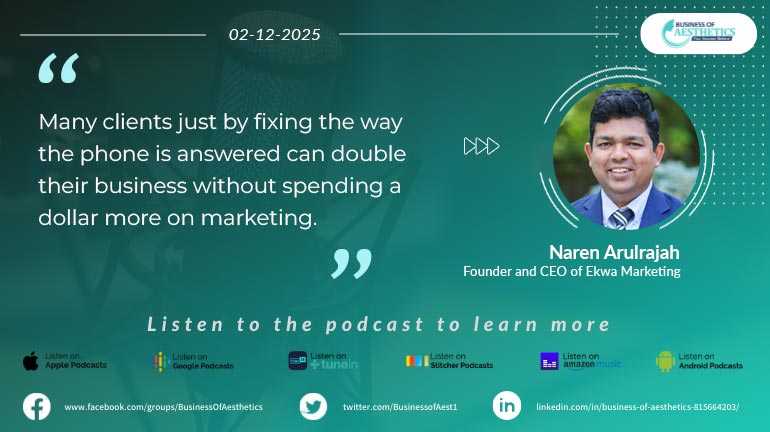
And finally, how is Google seeing you, right? So we use all kinds of analytics. If you look at our monthly report, it’s like, you know, reading a very comprehensive, you know, multi-tab, multi-section report with all kinds of things. So all the things that Google is seeing, and of course, also you want to see how ChatGPT is seeing, how, you know, how, what do you call, perplexity is seeing you. So we look at all of that and we report on it. So make sure, You see yourself from the search engines point of view and AI engines point of view, and you look at a number of patients, number of appointments. The other thing I would focus on is call conversion percentage. This is a huge, huge, huge problem for a lot of practices. You might have a wonderful marketing machine and you might be in that top 3% when it comes to Google and how people are finding you. But what if your phone experience is average? Average phone experience today in med spas is one out of three new patients are booking appointments. So if you are in that same boat of one out of three new patients are booking appointments, then you are not going to do well. So change that, right? So one of the things we also do for all of our clients at no extra cost is call conversion. So we’ll track every single phone call coming in. We’ll tell you how many are missed calls, right? That’s also a problem practices have because they don’t answer the phone for whatever reason. Maybe they’re getting too many calls at certain times or their lines are not set up correctly. So make sure your missed call percentage is down and your call conversion percentage. So we’ll tell you on a quarterly basis what percentage of your new patients are booking and not booking. Now, if you are like the average, just by fixing that, you will double or triple your business. And we do offer an optional service called coaching service because we are noticing many clients just by fixing the way the phone is answered can double their business without spending a dollar more on marketing. And finally, if you want an in-depth analysis of all of this, I would recommend booking what we call a marketing strategy meeting. The link is www.businessofaesthetics.org/msm. We look at your competition. We’ll tell you how well they’re doing versus how well you are doing. We’ll get to the root causes. Why are you doing well or not doing well? There’s typically six types of things Google is looking at. So if those six types of things are exceptionally doing, you know, you are in the top 5%, you’re going to, you know, do well when it comes to ranking and dominating Google. If you’re not, you’re not. I do think Google is the king when it comes to search and that’s just not going to change. So I do think focus on Google, focus, don’t ignore chat GPT, don’t ignore perplexity just in case, but really, really lean in and like own the space, like dominate your space. People don’t trust ads, right? Because their first thought when they click on an ad is what’s wrong with this picture? Because if they’re good, why are they spending money on ads? So I do think, you know, having that organic strategy is really powerful.
Don Adeesha: Absolutely.
- 00:53:59 – The Rise of Regenerative Medicine & Authentic Selling
- Sonya Ellis notes a shift in the market where filler usage is down 15-20%, driving a pivot toward regenerative medicine like biostimulators, PRP/PRF, and lasers.
- The "Ozempic Effect" (GLP-1s) has surged demand for body tightening and hair restoration, while post-COVID trends favor holistic "functional medicine" approaches.
- She highlights the 50+ menopausal demographic as a financially capable and underserved market, advocating for "authentic selling" based on genuine patient need.
View TranscriptDon Adeesha: We have next with us over here Sonya, Sonya Ellis. Sonya Ellis is a certified plastic surgery and aesthetic nurse with over 15 years in aesthetics and nearly 20 years in surgical care. She leads the LAB or lab med spa in South Lake Texas specializing in advanced injectables and combination protocols. Sonya represents the heart of the patient experience, and we are delighted to have you here with us, Sonya.
Sonya Ellis: Thank you so much. I need to update my bio. A little bit, perhaps. I guess I’ve been talking with y’all for like five years now. It’s now 20 years and almost 30 years.
Don Adeesha: Yeah. No, that just backs up the fact that we have the right person here with us for this conversation. So Sonya, you’re on the front lines. And as you mentioned, have been for some time as well. So translating new technology into meaningful results. Let’s look at that. What do you think is going to drive practice growth in your office for the next five years?
Sonya Ellis: We’re diving right into it. Okay. So I come from the plastic surgery world. So back in my day, the plastic surgeons decided that they didn’t want to hold needles anymore. They would rather be in the OR doing a $7,000 boob job rather than slinging neurotoxin and fillers. And so they just handed us the syringes and we were just like, "okay." you know and that’s how you know aesthetic nursing was born so neurotoxin is your number one thing that is ever going to be done in your aesthetic practice whether you’re in plastic surgery whether you’re um at a med spa and we don’t make any money out of it we all know this neurotoxin is a loss leader in our office so is laser hair removal but why they’re still important is because it brings the patient into your office and then it’s your job to you know, transverse that patient into all the other areas of your office that could become valuable to them.
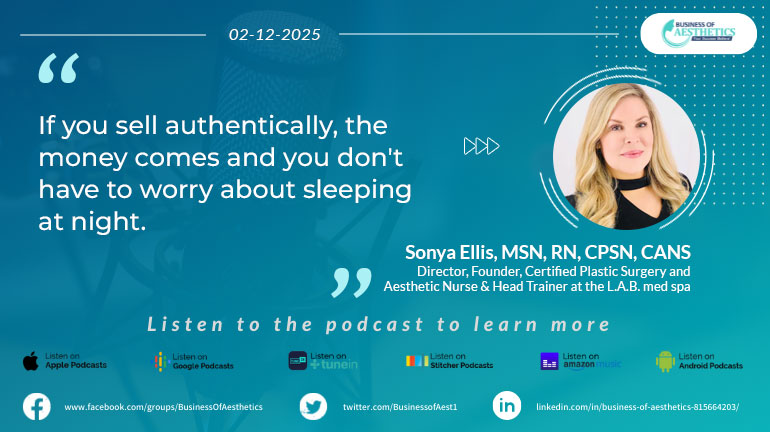
But one rule I have in my office is sell authentically. I don’t want us to just be selling to sell. If the patient needs it, I’m never going to be mad if you sold the patient anything. But if I find you selling the patient something inauthentically, I’m going to be very upset. Um, if you, if you sell authentically, the money comes and you don’t have to worry about, you know, sleeping at night. Okay. So there’s just my tip for that. So it’s just a good, these two areas are a really good way just for the, for the patient to dip their toe into medical aesthetics.
And then filler used to be our number two, and it still is. It still hits number two. I just went through, coming onto this podcast tonight, I went through my industry reports really quickly just to make sure that I still had everything correct in my head. And filler is still number two in medical aesthetics, but it is down 15 to 20%. I don’t know if anybody else has felt this across the board. I know that we felt it in our practice, but I need y’all to know this is, we’re in a recession and this happens. I’ve been doing this for 30 years, you guys, I’ve seen it all. And this too shall pass. And the good news is, is that they’re just looking for more regenerative properties. So you just need to diversify your practice in order to give the patient what they’re wanting right now, but it has to be authentic to you and your practice. So, you know, I love that everybody has kind of talked about that. Know your avatar, know who you’re selling to and make sure that your patients want what you’re about to be slinging. Okay.
So when I say regenerative, what do I mean? The top treatments that I have found that the patients are looking for right now is biostimulators, but that’s been going on for a long time. It’s just way hotter than it used to be. You know, HA always topped biostimulators. Now the biostimulators are kind of like breathing down HA’s neck, right? So that’s your Radiesse or your sculptor. I don’t know if we can say brand names, but those are the two most popular out there. There’s a couple of more out there that I don’t prefer, but that’s neither here nor there. Obviously, PRP, PRF. That’s been around for a really long time. We’ve got some new stuff coming out. I think Dr. Buford was trying to hint to that. And so he’s saying be careful with that because it hasn’t been studied. There’s not a lot of white papers, and I agree with him. PRP and PRF, there are tons of white papers behind these two technologies, and they actually work. And we know that the patient’s going to get a good result for the money that they’re spending. The two that he’s probably talking about, because we don’t have polynucleotides over here yet, that’s only in the UK, is the exosomes and the PDGF. And I’ll get into more on that later about how I feel about that in my practice. But for right now, I’m just giving you all a list. Obviously, lasers. Lasers have been around for a long time, but they are having their glow up right now because people are wanting more regenerative medicine. They are wanting things that are going to last more long term. and lasers we all know are going to stimulate a lot of collagen and fix a lot of problems for the patient obviously um functional medicine you know we all have talked about that regenerative medicine is it’s here like uh like noreen said about ai um it’s already in your house like you might as well just deal with it so i’m not saying that you have to put functional medicine and weight management in your practice but i’m telling you your patients are wanting it at this point they’re wanting a more holistic care for themselves from the inside out and i’ll get into more of that later and of course weight management. Oh dear God, the Kardashians just like issued in GLP ones in 2021. And we, you know, we just never, everybody’s booties are gone, you know, just overnight.
Right. So the good news for the plastic surgeons, Dr. Buford’s not on here anymore, but I’m sure he would agree with me if he was still was. And that is, yeah, all the negative press that the dermal fillers have been getting lately. The plastic surgeons are just busier. So, I mean, they’re, they’re sitting pretty, like they’re getting more facelifts. They’re getting more eyelid lifts. So, Good for them. And then also all the GLP-1 usage has increased body treatments for them. Everybody has lost so much weight. It’s going to create non-surgical treatments for us and it’s going to create surgical treatments for them. So I need people to not think negatively about things. I want you to just think about your practice, switch, pivot, do what you need to do, do what your patients are asking you to do.
So last but not least, menopause. finally. Oh my gosh. You know, y’all’s Willie doesn’t work and y’all have three different drugs on the market within five years. You know, um, us girls have been suffering for like decades, you know, eons. And so menopause is now having a moment and I am loving this for us. So, um, um, What are the women that patronize our offices? As Dr. Buford said, he’s like, forget about the men. I think men are still only 12% of your office. And I’m not saying don’t market to men. Of course you do. But you should market to men through your avatar. The person that’s going to have the most money to spend in your office is me. The 50-year-old woman who is either got grandchildren or she’s waiting on them. I’m waiting on them. You already have them. I’m so upset. Mine’s only 25 though. So I got to wait for just a little bit, but like I’m, I’m her, like I’ve got the money to spend. Like, you know, everything is sagging. Everything is bagging. I need help. I’ve got the money. I’ve got the time. I just need you to talk to me and reach out to me. And I need to trust you so that, so I can give you my money and come into your practice. So menopause, like everybody needs to think about that as well, because usually that is our avatar is, you know, that woman in that age range.
Don Adeesha: Wonderful. I mean, Sonya, I really appreciate your hype and enthusiasm and more than that, the information that you just distilled over here. Of course, you were talking about selling authentically as well as in the upcoming, you know, we are looking at a lot more of a long term perspective coming out of the demographics, right? They want to think long term as well as looking more towards that functional medicine side of things. And Absolutely, as you mentioned, that was a great overview of, you know, the specialized area of medicine where it’s headed. Now, let’s dive a little bit deeper into those procedures, right? What regenerative procedures do you offer in your practice and why? Just so we can have… An understanding, a practical understanding of your thought process as well as what the market is really appreciating right now.
Sonya Ellis: Yeah. So we learned during the COVID shutdown that we were no longer essential if you weren’t offering functional medicine. And functional medicine really wasn’t a part of med spas pre-COVID. I mean, everybody think about this for just a minute. They were two totally separate organizations. or they were in my world. I don’t know how everybody else feels about that. But we had to sit there and watch the Low T Center across the street from us just keep bumping along. And so I was like, okay, we need to diversify the practice. And why would, I believed in functional medicine. I was just sending my patients to another provider in order to obtain that because I do feel like it is a serious part of your practice.
I’m not saying that you should just run out and just start functional medicine in your practice. You really have to have a certified technician that is going to be doing this in your practice. You cannot be a jack of all trades and a master of none. That is the that is the easiest way to lose your patient database is that you’re just kind of willy nilly like doing everything and you’re not doing a good job at anything. Right. So medical wellness, functional medicine and longevity, they are rapidly growing fields in the world of aesthetics. The shift reflects a broader movement as people increasingly prioritize long term health and well-being alongside their aesthetic goals, meaning the patient wants a more holistic approach.
So my husband is our medical director and he runs the functional medicine and weight management side of our practice. And he also runs all of our aggressive lasers. And I run the injectables, the threads, the skincare and our motto. He came up with this and I love it. He’s like, "I’m going to make them pretty on the inside and you’re going to make them pretty on the outside." And I was like, absolutely. We’re just going to meet in the middle. Right. So we have to help educate them and elevate the standards of health and regeneration. It’s critical. Even the most basic laser relies on triggering a cellular response in the skin. If those cells are not healthy, then how can we expect the best outcomes from our patients? So really, in a menopausal woman, the skin is thinning. Do you really think she has as many fibroblasts as she had in her 20s? She doesn’t. So, you know, that’s what I’m trying to say here is I’m not saying it’s for everybody, but I’m just saying, please think about it, because I do think this is where, you know, aesthetics is heading in the future. I mean, it’s already here, but I think it’s going to become more robust in the next five to 10 years. So this underscores the importance of a comprehensive view of health where aesthetics and well-being are intertwined, offering patients a more balanced path to both looking and filling their best, focusing on treatments that support natural healing and long-term repair rather than just a short-term fix like neurotoxin, right? I always tell my girls, neurotoxin is your fickle friend. She’s not here for a long time. She’s here for a good time, right? So functional medicine and lasers and bio stimulators. Those are your, those are your ride or dies. I mean, that’s the, that’s your kindergarten friend that you call it 3am. She’s already got the shovel. She doesn’t even know where y’all are going or what you’re doing, but she’s in right. So that is where people need to be spending more of their dollars in my opinion. And that’s where our office is heading.
So these are all the regenerative procedures that we already offered in our office pre-COVID, okay? That was biostimulators. I’ve been using them for a lot of years. Radiesse more than Sculptra. Sculptra is having a hard time right now just because of GLP-1s. It needs that inflammatory process, and the GLP-1 is stopping that. I’m not saying don’t use it, but I’m saying be careful with your GLP-1 patients. And then PRP, PRF, I’ve been using that for a really long time. I absolutely adore it. We also hyperoxygenate ours with our ozone therapy. And then we go ahead and inject it. So we kind of zhuzh our PRP, PRF a little bit because obviously our patient database is a little bit older and their blood isn’t going to be quite as good.
Obviously, lasers. Guys, if you do not have a laser in your office, yes, they’re expensive. It’s not what I’m saying. I mean, I get it. It’s like buying a Ferrari like Dr. Buford said, and you want to make sure that you can drive it all year round, right? But a paid off laser is going to be your biggest revenue source until they change the handpiece and make you purchase a new one. But there’s some good ones out there that you’ll keep them for a very long time. So if you don’t have a laser in your office, please rethink that. And then just make sure that you have the patient database to support that. I agree with everything that Tiffany and Dr. Buford have said tonight about knowing your avatar. Please send out the survey. Make sure that they want it. And make sure that you have patients lined up before you even purchase that laser or you are going to be in a world of hurt. These devices are $200,000 plus. And when you have no patients on the table and that first payment comes up, I mean, it is like, it’s just sickening. Like, I’ve been there. I have been there.
Now, what did we add to our office post-COVID? We added hormone optimization. As I said, we ordered blood. We now draw blood in our office to make it very convenient for our patients. We do peptides. We do IV therapy. We do ozone therapy. We have weight management. We have nutrition and exercise recommendations. And then we sell supplements and collagen powder. Everybody that’s on the GLP-1s loses a lot of hair. So hair restoration has been on the uptick since 2021. It took about a year for us to figure out that everybody was losing their hair. Everybody was getting malnutrition in their nails. And so about 2022 is when we started seeing an uptick on hair restoration. Body treatments, after losing all of that weight, patients are wanting tightening. I usually tell the patient, wait six months to a year, see what your own skin is going to do. If it has not tightened back up, call me. If it’s past my pay grade, I’m going to send you to one of my plastic surgeons. But there’s a lot that we can do in the office with radiofrequency microneedling. Exosomes and PDGF, yes, we have them. Are we injecting them? Hell no. There are not enough white papers behind them. So we will use them topically, but we will not inject them. I know a lot of injectors that are, everybody has to make their own decisions about their practice and what they’re willing to do. I’m not willing to do that. So those are all the ones that we’ve added post COVID. And as I wanna say, I don’t believe that you can be good at three things at more than one time. So I need you to know the functional side of the practice. That’s all they do. They don’t inject. They just take care of the patients on the injectable side. That’s all they do. We do have a couple of people that We’ll pick and choose a couple of things and they will straddle the fence a little bit, but one does weight management and then she also injects. That’s it. Okay. That’s all right. That that’s doable. But like, I don’t want you trying to do everything. It’s just, it’s a horrible idea.
Don Adeesha: Okay. Okay. So really, we are looking at a much more personalized approach for the patient is what I’m hearing, as well as, of course, functional medicine, as well as rejuvenative treatments are really on the rise. And of course, you know, a comprehensive view of understanding your patient demographic, your patient database really allows you to make that decision. Right, Sonya?
Sonya Ellis: Yes. Yes. Absolutely.
Don Adeesha: And with that being said, we will be wrapping up the session here. And it has been a very important and perhaps an eye-opening conversation. And if you’re not already following the Business of Aesthetics podcast on your favorite platform, take a moment to do that. It helps more aesthetic professionals access conversations that truly move the industry forward. I’m Don Adeesha, and this has been the Business of Aesthetics podcast. Thanks for listening.
GUEST – Dr. Gregory Buford
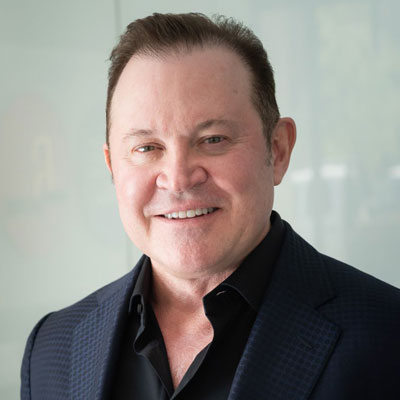
Dr. Gregory Buford is a nationally recognized Board-Certified Plastic Surgeon and Founder of BEAUTY By BUFORD in the Rocky Mountain Region, known for his specialized focus on breast enhancement, body contouring, and minimally invasive facial rejuvenation. One of the few surgeons to complete the prestigious Baker/Stuzin/Baker cosmetic fellowship, he also stands out as an influential author, educator, and strategic advisor. Dr. Buford wrote the industry-essential “Beauty and the Business” and “EAT DRINK HEAL,” and serves on multiple advisory councils shaping the future of aesthetics. As Founder of Core Aesthetics Training, a CME course leader, and a consultant for top companies like Lumenis, he trains practitioners nationwide. Featured in Vogue and ABCNews.com, Dr. Buford blends clinical excellence with business strategy, offering invaluable guidance for aesthetic professionals navigating practice growth and modern entrepreneurship.
GUEST – Tiffany DiGiuseppe
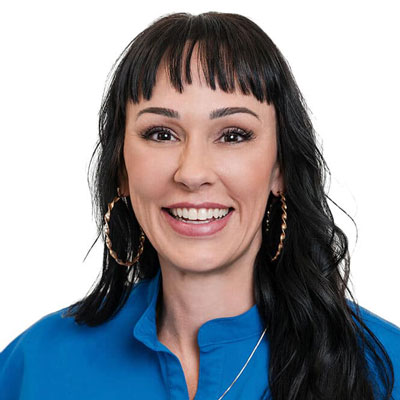
Tiffany DiGiuseppe is the Founder & CEO of MedSpa Success and ADMIRE AESTHETICS, INC., bringing more than 25 years of expertise in medical practice development across cardiology, dermatology, and plastic surgery. She has built and scaled multi-million-dollar aesthetic businesses and now empowers MedSpa owners nationwide through targeted coaching, operational systems, and growth-focused strategy. Driven by a personal journey that began in adversity and evolved into industry leadership, Tiffany is dedicated to elevating standards in aesthetics, strengthening client experiences, and inspiring entrepreneurs to reach their full potential. A sought-after advisor and speaker, she provides actionable insights for practices looking to transform performance and accelerate long-term success.
GUEST – Naren Arulrajah
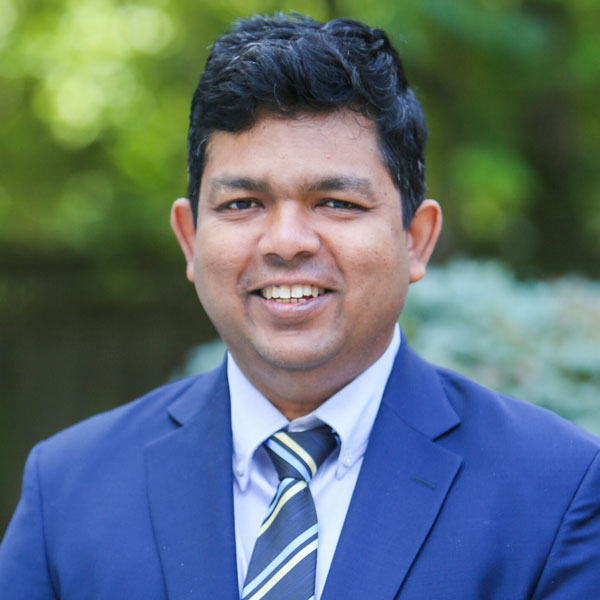
Naren Arulrajah is the President and CEO of Ekwa Marketing, a leading digital marketing agency serving medical, dental, and aesthetic practices. With more than 15 years of experience, he has helped thousands of doctors and practice owners build thriving businesses through customized strategies in SEO, social media, online reputation management, and content marketing. Leading a team of over 180 full-time marketers, Naren has become a trusted authority in practice growth and has spoken extensively on marketing trends and business development. His passion lies in helping practitioners focus on patient care while his team drives sustainable growth in an increasingly digital marketplace.
GUEST – Sonya Ellis
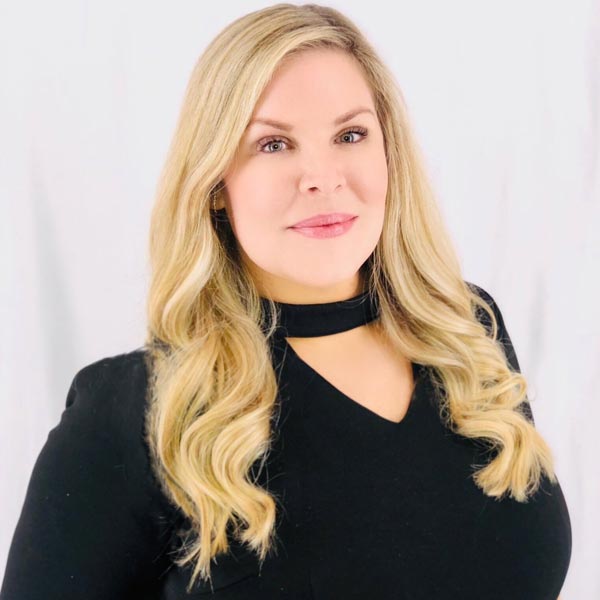
Sonya Ellis, MSN, RN, CPSN, CANS is the Director, Co-Founder, Lead Nurse Injector and Head Trainer at The L.A.B. med spa, one of Texas’s few practitioners certified in both plastic surgery and aesthetic nursing. With over two decades of nursing experience and more than 15 years specializing in plastic surgery and injectables, she has built a top-tier practice performing tens of thousands of procedures annually. Through The L.A.B. Aesthetic Institute, Sonya trains physicians, PAs, NPs, and nurse injectors in advanced techniques, blending artistry, safety, and individualized care. Driven by a patient-centered philosophy, she prioritizes customized treatment plans, long-term aesthetic goals, and mentoring the next generation of aesthetic professionals, redefining the standard for med-spa care and education.
HOST – Adeesha Pemananda
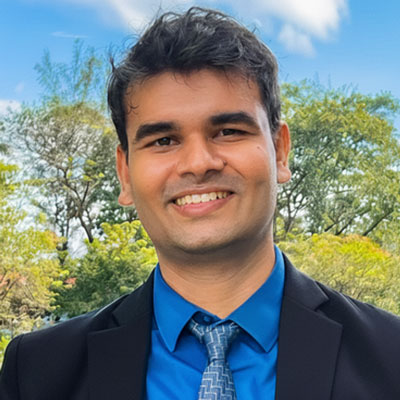
A seasoned marketing professional and a natural on-camera presence, Adeesha Pemananda is a skilled virtual event host and presenter. His extensive experience in brand building and project management provides a unique strategic advantage, allowing him to not only facilitate but also elevate virtual events.
Adeesha is known for his ability to captivate digital audiences, foster interaction, and ensure that the event’s core message resonates with every attendee. Whether you’re planning a global webinar, an interactive workshop, or a multi-session virtual conference, Adeesha brings the perfect blend of professionalism, energy, and technical savvy to guarantee a successful and impactful event.
Resources


Connect with Us:
Category: Business of Aesthetics Podcast