In this episode of the Business of Aesthetics Podcast, host Don Adeesha is joined by Naren Arulrajah, CEO of Ekwa Marketing and a veteran strategist for over 500 healthcare practices. The discussion tackles a critical and growing threat: what happens when social media shuts you down?. With platforms like Instagram and Facebook tightening rules on before-and-after photos and cosmetic surgery ads, many plastic surgeons are seeing their primary marketing channel unravel overnight. Naren provides an essential blueprint for building resilience and “digital sovereignty”, ensuring a practice can thrive long-term without being at the mercy of sudden policy changes.
Naren breaks down the critical difference between the passive mindset of a social media user—who is just “flipping channels” and the active, high-intent mindset of a patient using Google to find a doctor. He argues that over-relying on ads is a costly mistake, revealing that ad-driven leads are 18 times less serious than leads from organic search and that practices relying on ads spend 10 times more money. The core solution is a long-term strategy focused on Search Engine Optimization (SEO), owning your website, and building unshakable trust through a consistent flow of patient reviews.
Finally, Naren reframes SEO and reputation management not as “extra work” but as a foundational business asset. He explains that while this strategy takes time to build, it saves 90% of marketing costs long-term and attracts higher-quality patients who trust the doctor before they even walk in the door. This organic foundation of trust and visibility, he reveals, adds “at least a few hundred thousand dollars” to the value of a practice, making it the essential strategy for any surgeon who is in it for the long game.
Key Takeaways
- Stop Building Your Practice on Rented Land.
Social media platforms are unreliable, and AI can shut you down overnight. Don’t put all your marketing eggs in a basket you don’t control and that doesn’t care about your practice. - Build “Digital Sovereignty” on Your Own Website.
People use social media passively, but they use Google to seriously find a doctor. Sustainable visibility comes from owning your website and dominating SEO to be found by high-intent patients. - Stop Paying 10x More for Leads That Are 18x Less Serious.
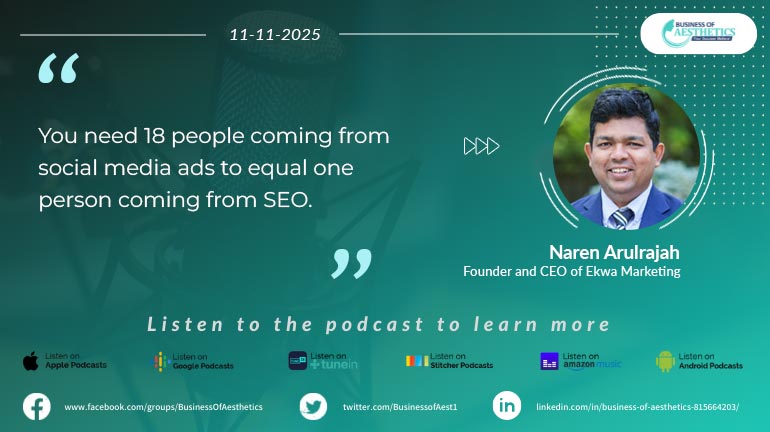
People don’t trust ads. An SEO lead is 18x more serious (spending 90 seconds on your site vs. 5 from a social ad) and costs 10 times less, with fewer no-shows. - Treat SEO as a Foundational Asset, Not “Extra Work”.
SEO is a long-term asset, not a short-term fix. It takes time but can save 90% on marketing costs and adds hundreds of thousands of dollars to your practice’s value. - Make Trust Your Most Important Metric.
Patients from ads are less trusting and more likely to “second guess the work.” Build real trust with organic visibility and by aiming for 10 or more new Google reviews every month. - SEO is Not Dead; It’s Evolving for AI.
Google SEO is 386 times bigger than ChatGPT. Most AI chat use is for “work,” not finding a doctor. A modern strategy dominates Google for both regular and AI search.
Podcast: Play in new window | Download
The biggest takeaway from this episode is that a practice built on ads and social media is vulnerable. A practice built on a foundational asset of SEO and trust is future-proof.
But a strategy that is valuable can’t be based on chance. It requires a clear plan. For listeners who are serious about building this foundational asset and moving away from “rented land”, this is the most logical place to start.
- Get a 1-on-1 diagnosis of your online presence & patient acquisition funnel
- Identify critical, untapped growth levers (SEO, Social, Referrals)
- Define a clear action plan to attract and convert your ideal patients
- Receive expert solutions for your most pressing marketing challenges
Subscribe To Our Podcast



Key Highlights:
- 00:00:11 – Introduction & The Social Media Challenge
- Host Don Adeesha introduces the topic: What plastic surgeons can do when social media platforms like Instagram and Facebook tighten content rules around cosmetic surgery ads and before-and-after photos.
- A sudden drop in visibility can unravel an entire marketing strategy overnight.
- The episode will explore building resilience through SEO, trust, and organic marketing.
- Host Don Adeesha welcomes back guest Naren Arulrajah, the CEO of Ekwa Marketing.
View TranscriptDon Adeesha: Hello everyone, welcome back to the Business of Aesthetics Podcast. I’m your host, Don Adeesha, and today we are diving into a challenge that’s becoming very real for plastic surgeons. What happens when social media shuts you down? Platforms like Instagram, Facebook are tightening their content rules, especially around before and after photos and cosmetic surgery ads. For many surgeons, that means a sudden drop in visibility, and an entire marketing strategy can unravel overnight. So, in this episode, we are exploring what plastic surgeons can do when stricter ad and content rules threaten their growth. We’ll look at how to build resilience through SEO, trust, and organic marketing so that your practice continues to thrive. no matter how the rule changes. I’m excited to welcome back Naren Arulrajah to the show. Naren is the mastermind behind the Business of Aesthetics podcast and the CEO of Ekwa Marketing, one of the most trusted digital marketing organizations in the US and Canada. With over 18 years of experience supporting dermatology and plastic surgery practice owners and a dedicated client base of more than 500 healthcare practices, Naren brings unparalleled expertise in guiding practices to strengthen their marketing, earn patient trust, and create long-term sustainable growth. Hello, Naren. Welcome back to the show.
- 00:01:57 – Accepting Reality & Understanding the Buyer’s Journey
- Naren notes that platforms change policies, and AI (not humans) flags content, erring on the side of caution, which is why safe posts get taken down.
- Step one is to "accept reality" that platforms like Instagram and TikTok are unreliable and don’t care about the surgeon’s practice.
- Surgeons should not put all their marketing "eggs" in these baskets.
- The alternative is to understand the "buyer’s journey," which starts with research on Google.
View TranscriptNaren Arulrajah: Hey, I’m so glad to be here, Adisha. Thank you so much for taking the time to interview me for this episode. And I think it’s a real problem that you’re talking about, right? Where these social media platforms change their policies. So what used to be okay is no longer okay and this affects plastic surgeons more than any other group of people in the world because you know things like new ditty and and so forth they’re very very strict remember it’s not like a human being at facebook who’s saying this is not a good post it’s rather ai ai’s make a ton of mistakes and of course they they err on the side of being more cautious so a lot of things that you and i when we look at it with our own eyes as we’ll say are great posts are not great posts anymore Right.
Don Adeesha: They’re getting flagged down and the accounts getting taken down as well. So with that being said, let’s get right into it, Naren. If a plastic surgeon suddenly loses visibility on Instagram, TikTok or Facebook because their before and after photos are restricted, what’s the first thing you’d advise them to focus on?
Naren Arulrajah: You know, I do think successful people, 90% of their success can be attributed to them understanding reality. The reality today is these platforms will continue to change their rules on a daily, weekly basis. And they don’t really care about whether you as a plastic surgeon is going to do well or not. They only care about themselves, right? So why continue putting yourself in a place where you know with 100% certainty, given that it has happened so many times before, that you don’t want to put all your eggs, i.e. your marketing, your new patient flow, in these baskets. So the step one I would do is accept reality, accept the fact that you don’t want… how well you do as a practice at the beck and call of platforms like Instagram and TikTok or Facebook, because we know they’re notorious for changing their minds when it comes to what content is good and what content is not good. The other way to think about this is, okay, now if… social media is perhaps not the best way to go about doing this, then what is the right way to go about doing it? I think you need to start understanding the buyer’s journey. People today, if they’re looking for a plastic surgeon, they are going to take a lot of time researching you and finding you. And this applies to dermatologists as well. So what are they doing? They’re typing in keywords on Google. We use Google 12 billion times a day to find information. And so in the beginning, it might be learning about the particular need they have. And in the process, they end up learning about the different providers who can help them. They look at, you know, invasive and non-invasive, depending on their needs and figure out what’s best. So the first thing you have to do is to show up when these people are looking at these, trying to learn about the problem they have and how to solve it. And then finally, they go and do some research, get to, you know, look at you, your competition. At some point, they like you enough to book an appointment. And then assuming the phone call that ended up in the appointment goes really well, along with the appointment, now you have a real experience. qualified patient but there is a process so understand the process and i do think it all starts with you know you showing up when they’re doing that research Right.
- 00:05:27 – Digital Sovereignty Through SEO
- Don Adeesha frames this as building "digital sovereignty" instead of being at the mercy of platforms.
- Naren explains that people use social media passively (like a "modern remote control"), but use Google actively to find and choose doctors.
- He recommends Search Engine Optimization (SEO) as the strategy to get found on Google, which controls ~95% of the US market.
- The goal is to rank on page one for 100 or more keywords, which is a long-term strategy for practices that are not retiring soon.
View TranscriptDon Adeesha: So Naren, as you mentioned, currently, if the plastic surgeon has already put their eggs in the baskets of others like Facebook or Instagram, TikTok or whatnot, they’re at their mercy. They’re at the mercy of their ever-changing policies. So you’re talking about building something more of a sovereignty, perhaps a digital sovereignty. So let’s talk about that. How can a CEO… Help plastic surgeons maintain visibility when social media platforms tighten their rules.
Naren Arulrajah: Yeah, I think, you know, we all as humans use certain things for certain reasons, right? We all use Uber today. In the old days, we used taxis. Why? Because it’s convenient and I press a button and a taxi shows up. We all use platforms like Netflix to watch movies today versus in the old days we had cable, right? Why it’s convenient, it goes with us, it sits on any device, whether it’s a tablet or a laptop. Same way, I do think people use social media as the modern remote control, meaning in those days we would come home and we are tired and we’ll flip through channels. Today we flip through Instagram or TikTok. But when it comes to finding doctors and choosing doctors, they don’t want to waste their money or take a risk with somebody they don’t know. So they start with Google. So Google today is the platform that people use. I mean, it’s not news to anyone, 12 billion times a day to find things. So the question is, you know, are you getting found again and again and again and again for all all the things that you can do for a particular person without having to run ads. That’s called search engine optimization. Google owns the market. It’s 89% globally outside of China and Russia. And of course, you know, we don’t have any clients in China and Russia. So I cannot comment on those two particular countries. But when it comes to the US, Google controls around 95% of the market. So the question is, are you ranking for 100 or more keywords and phrases on page one of Google? If you are, you’re doing something right. And now you have a solid foundation. If you’re not, that’s something I would work on. Now, if you’re going to retire in six months, I wouldn’t recommend the strategy of dominating Google and ranking for 100 or more keywords. But if that’s not your plan, and you’re here for, you know, two, three, five, 10, 15 more years and you want to make your practice strong, then don’t put your eggs in the Instagram feed where you don’t know what’s going to be on that feed and what’s not going to be on that feed. Rather, own your own website. Do all the things on your own marketing and So if you do it right, you will be in the top 5% when it comes to SEO. Now, good news is in the last 18 years, we still have clients going back 18 years, plastic surgeons, for example, who are ranking for hundreds and hundreds and hundreds of keywords month after month, year after year. So you want to make sure that you continue to do well with SEO. Right.
- 00:08:27 – Does SEO Still Matter in the Age of AI Search?
- Naren addresses the concern about AI search (like Google’s AI overview and ChatGPT) making SEO obsolete.
- He cites a study by Rand Fishkin stating Google SEO is 386 times bigger than ChatGPT.
- He argues that two-thirds of ChatGPT users are using it for "work" (e.g., summarizing emails), not to find a plastic surgeon.
- Ekwa Marketing has pivoted to ensure clients rank on both regular Google search and AI search, while also monitoring other platforms.
View TranscriptDon Adeesha: Now, Naren, some of these plastic surgeons and practice owners might have this question, especially with regards to AI now taking all over the world. It’s also taking over AI-driven search engines. Now, even on Google, we have the AI overview. Does SEO really translate into those AI search-driven data? Just briefly, if you may.
Naren Arulrajah: Yeah, absolutely. So there are lots of studies done on this. And one of the studies I read from a famous authority when it comes to, you know, online marketing and SEO is a gentleman by the name of Rand Fishkin. You know, he’s a who’s who when it comes to online marketing, and he’s an expert. And he literally studied this and he told everyone based on his study that Google SEO is 386 times bigger than ChatGPT. Let me repeat that. People use Google SEO 386 times more than they use ChatGPT. And the reason is a lot of the people who use platforms like ChatGPT, of course, the numbers are nowhere even close, right? Google is used 12 billion times a day. ChatGPT is used perhaps 100 or 200 million times a day. So it’s a massive difference just off the bat. And the second thing is a lot of the people who use tools like ChatGPT are using tools like ChatGPT for doing work, like summarize this document for me, rewrite this email for me. That’s not a search looking for a plastic surgeon. So two thirds of the people who are using ChatGPT are not using ChatGPT to find a plastic surgeon or a dermatologist, but rather they’re using it to get work done, like summarize an email and so forth. So for that reason, I think, and then Google has come back really strong. Their stock price has gone up by a trillion dollars in the last two, three months. And part of the reason is today, Google is used so much more than ChatGPT when it comes to even AI search, billions and billions of time. It’s so bad that ChatGPT, actually the company that owns ChatGPT, OpenAI, went to the European Union less than a week ago and complained that You can’t compete with Google because, you know, Google is just so dominant. They have so much data on everything. And Google is a habit, right? People use it so much. So I would focus on Google. So we have literally pivoted our company to make sure not only our clients ranking on regular Google search, but also on the AI search. So we have done a lot and we will continue to lean in because that’s just where the world is moving. But at the same time, we don’t want to ignore platforms like ChatGPT and TikTok because who knows, maybe there is a one in a hundred chance that these companies could one day replace Google and we don’t want to take that one in a hundred chance. So today we’re also making sure that all of our clients are also ranking on platforms like ChatGPT and Gemini and so forth. or grok and so forth so that’s my answer now good news is um you know um if you do the things that google wants you to do given it’s the dominant player you are fine so our clients continue to rank for hundreds of keywords every single month on page one and continue to dominate the market
Don Adeesha: Absolutely. And what I’m understanding from that is search engine optimization is not just limited to Google. That you’re what you’re describing here, an evolution of search. And still you are managing to stay on top of it and dominate it with the tactics of evolving market trends.
- 00:12:08 – Ads vs. Organic: The 18x Trust Factor
- Naren discusses online reviews, noting that people don’t trust ads.
- He shares data on average time on site: 5 seconds from a social media ad, 15 from a Google ad, and 90 from SEO.
- This is an 18x difference in seriousness; you need 18 social media ad leads to equal one SEO lead.
- He recommends a target of 10 or more new Google reviews per month.
View TranscriptDon Adeesha: Now, let’s move on to a world where ads can be restricted, right? So how important are online reviews and reputation for driving new patient inquiries?
Naren Arulrajah: You know, this is really, really important, right? The problem with ads is people don’t trust ads. So, you know, we have done studies on the average person coming from a social media ad will spend five seconds on your website. The average person coming from Google ads will spend 15 seconds. The average person coming from search engine optimization, meaning no ads, is spending 90 seconds. So there is an 18x difference in terms of how serious they are. In other words, you need 18 people coming from social media ads to equal one person coming from SEO. And these ads are very, very, very expensive. So we know clients spending 10 times more when they rely on ads versus a strong SEO program. So instead of 10,000, they’re spending 100,000 or more. So why do you want to keep spending 100,000 or more every month or every year when you don’t need to? So focus on the most effective way. Now, having said that, why is SEO powerful? Because it’s Organic. It’s not an ad. Same way with reviews, right? Reviews are powerful because they’re real. They’re real clients saying wonderful things. Again, we have methodologies and techniques and we help our clients do well with reviews as well. So I would strongly recommend that we continue to focus on reviews. The target I would give all of our clients and everyone listening here is 10 or more reviews a month. And again, there’s a method to the madness. And some of you might be like, that’s impossible. We have clients have done that consistently. And we can teach that if anyone is interested in improving the number of Google reviews they get, then send us an email and we will definitely help you out. We’ll share the tools and techniques that we use. But it is something you cannot ignore in 2025.
Don Adeesha: Right, absolutely. And you were speaking a little bit about those methodologies, Naren. Can you actually tell us how effective are blogs, FAQs and website videos compared to flashy social media content?
- 00:14:01 – Beyond "Flashy" Content: What Google Wants Now
- Naren advises focusing on "website videos" rather than just flashy social media content.
- The goal is to use sophisticated techniques to "make Google happy," referencing requirements like CRUX, Google EAT, and Google Lighthouse.
- Google makes $250 billion from ads and has an incentive to not let practices rank for free.
- Naren states that "typical blogs don’t work anymore" and content must be customized to meet Google’s evolving rules.
View TranscriptNaren Arulrajah: Yeah, so if you’re going to do videos, do it for your website. That’s what we call website videos. Today, we use a very sophisticated set of techniques to make Google happy. So Google has something called CRUX, Google EAT, Google Lighthouse. I can literally spend 30 minutes talking about this. But what you need to know is you need an army of experts who know what to do to make Google happy. And of course, we publish content in a certain way that meets all these requirements. And Google also keeps changing its rules. Why? Just like Facebook and other social media companies, Google makes hundreds of billions of dollars, $250 billion from ads. So they have every incentive to not let you rank for free and get so much business for free. So typically less than 5% of you will get 95% of the free SEO traffic. And to get into that 5%, you have to keep up. Google will keep changing its rules every 10 times a day. So you have to keep up. So we have 300 people broken into 14 teams and nine of those teams are about keeping Google and other search engines happy. So just doing all the things you need to do and just changing what you’re doing as well, because when the rules change, you need to change. So Things like typical blogs don’t work anymore. So we have, you know, customized what we do to make Google happy. But if you have a team like ours, a 300% marketing team, they should know what they’re doing and they should make sure that, you know, you are on top of things.
Don Adeesha: Right. And staying on top of things. If a practice really had to choose between doubling down on ads versus investing in SEO and organic marketing in 2025, what would you recommend and why?
- 00:15:58 – The Long-Term Choice: Ads vs. SEO
- Naren’s recommendation: If you are retiring in six months, spend money on ads. They are faster, though 10x more expensive and result in "a lot of no shows".
- If you are here for multiple years, build your SEO.
- SEO takes time (about a year) but can save 90% of marketing costs long-term.
- A strong SEO-driven practice is more valuable to a potential buyer, adding "at least a few hundred thousand dollars" to its value.
View TranscriptNaren Arulrajah: You know, that’s a great question. I think like I kind of alluded to earlier, if you’re going to retire in six months, spend money on ads, even though they’re 10 times more expensive, it’ll give you results faster. Even though you will have a lot of no shows because people don’t trust ads. You know, if you can create a practice that’s okay with a lot of no shows and canceled appointments, you’ll be fine. But Why spend 10 times more money and make clients think you’re not that good because you’re relying on ads when you don’t need to do that, right? So typical SEO done well can get you into the top 5% of practices ranking for 100 or more keywords. In other words, getting 95% of the free traffic within a year. Of course, it’ll take 600 plus hours. That’s how many hours we invest. So if you are here for multiple years, I would say build your SEO because A, you will save, you know, 90% of the money you spend on marketing if you do that. But it’ll take time, it’ll take a year. But if you’re going to be practicing for multiple years, it’s a great use of time. And number two, we also know that when a practice owner tries to buy your practice, if and when you decide to sell, they want a practice that’s generating 10, 15, 20 new clients every single month. without the doctor having to lift a finger and at a very cost effective way without having to rely on ads. So now this will add to the value of your practice, at least a few hundred thousand dollars, depending on how strong it is. So for those two reasons, I would strongly recommend a CEO, unless you are retiring in six months or so in less than a year. But keep in mind, it’ll take time, but it’s just so much better. People trust you more, it’s more cost effective. So that’s my recommendation.
- 00:17:38 – The Mindset Shift & Call to Action
- Naren argues that SEO and reviews are not "extra work" but "foundational" to the practice.
- Patients from ads are less trusting and may "second guess the work," leading to potential lawsuits.
- He reiterates the goal: dominate Google reviews (10+ per month) and SEO (100+ keywords).
- For those feeling overwhelmed, Naren offers a 6-hour "Marketing Strategy Review" ($900 value) at www.businessofaesthetics.org/msm.
View TranscriptDon Adeesha: Absolutely, SEO is for the long term, but also it seems to generate a lot more revenue when it comes to the investment side of things. So that’s a great thing. I think a lot of practice owners would love because Naren is absolutely speaking from experience and data back results. So he knows what he’s talking about. So Naren, what mind shift, mindset shift, Should surgeons adapt so they see a CEO and trust building not as extra work but as the foundation of their practice growth?
Naren Arulrajah: Yeah. And I want to allude to something you mentioned earlier. You said we have data. That is absolutely true. So if anyone wants to see how, you know, someone can rank for hundreds of keywords, send us an email, go to the website, businessofaesthetics.org, contact us, or we’ll put an email address on the show notes. And we will send you actual reports of clients who are ranking for hundreds and hundreds and hundreds of keywords and without spending any money on Google ads, right? And that’s where you want to be. So the reason I think you shouldn’t see this, what I talked about, SEO and reviews as extra work, but rather foundational to your practice is because we know people don’t trust ads we know people who come to you through ads are not going to be happy they won’t show up and even if they do get the work done they’re going to second guess the work and go back to somebody else and say oh you know i got this done you know is it good or bad and now you have lawsuits and all kinds of things so if you really have the choice i would get people through organic yes it’ll take an year yes there’s a lot of work that your marketing company has to do but i do think trust is so so so valuable especially for plastic surgeons and pretty much anybody in aesthetics why because if people don’t trust you they are going to find a way to find a reason to say something went wrong and that’s the last thing right i’ve talked to many of the plastic surgeons we work with are my friends and i’ve talked to many of them so i do think Getting those 10 or more Google reviews and dominating Google for search engine optimization and ranking for 100 or more keywords is really critical. If you’re going to retire, like I said, in less than a year, then don’t do it. But if not, really lean into it. and be in that 5% who dominates both Google reviews and SEO.
Don Adeesha: Right. And what I’m hearing here is, Naren, you’re mentioning about a strategy which turns the marketing engine into a sort of a magnet that attracts the ideal kind of patience. And that can only be done through being authentic and to develop that authenticity even more on your website, on your digital platform, right? It’ll take some time, but that’ll be worth it in the long run. And of course, Naren, last but not least, for a lot of surgeons, this can feel overwhelming. SEO, reviews, content, organic marketing. If someone’s not sure how to pull it all together, how can they get the right guidance to move forward confidently?
Naren Arulrajah: You know, that’s an excellent question. I do think a great way to do that is to figure out how are you doing when it comes to the buyer’s journey? Are you ranking for hundreds of keywords? Are you getting the right kind of Do you have the right landing pages? And we spent six hours doing what we call a marketing strategy review. And the link is www.businessofaesthetics.org/msm. We’ll put that link on show notes as well. www.businessofaesthetics.org/msm. Go there and book that meeting. We spend six hours. It’s a $900 value. And at the end of the six hours, we’ll give you a comprehensive analysis of how are you doing? How is your competition doing? And if you were to work with us, what would things look like by the end of year one? You know, would you rank for 100 or more keywords? you know what are the keys you have to do to get there so book that meeting now that you understand from a foundational perspective what you need to do then you can decide what to do with it whether you work with us or find somebody as good if not better than us now we i i am biased of course but i do think i do believe we are the best in the world for anyone who wants to constantly dominate google seo you know, then take action. But I do think you want to know where you stand and what you need to do. Doing the same old things like, you know, believing on social media when they tighten their policies around before and afters, or believing on ads when people don’t trust you, I don’t think it’s a good smart strategy for anyone who’s in it for the long game. If you’re going to retire or shut off your practice, then I wouldn’t recommend SEO. But if you’re going to dig in and do this for the next multiple years, then definitely SEO is and Google reviews are the way to go.
Don Adeesha: There we go. Naren, thank you so much for joining us today and sharing your insights on when social media shuts you down, how plastic surgeons can thrive despite stricter ad and content rules. SEO is for the long game.
- 00:22:55 – Conclusion
- Don Adeesha thanks Naren for his valuable expertise on digital marketing and patient acquisition.
- He thanks the listeners for tuning in and requests they share the episode and leave a review.
- The closing message is to "keep focusing on trust, keep investing in organic visibility, and keep building practices that thrive".
View TranscriptDon Adeesha: And I know our listeners are leaving with a clear strategy to help their practice stay visible and trusted even when rules change overnight. To our listeners, a huge thank you for tuning in. We couldn’t do this without your support. If you found today’s episode helpful, please share it with your colleagues and friends in dermatology and plastic surgery community. Don’t forget to leave a review on your favorite podcast platform. Your feedback helps more people discover the podcast and benefit from these conversations. So with that being said, until next time, keep focusing on trust. Keep investing in organic visibility and keep building practices that thrive. Wish you all a fantastic week ahead. Thank you.
GUEST – Naren Arulrajah
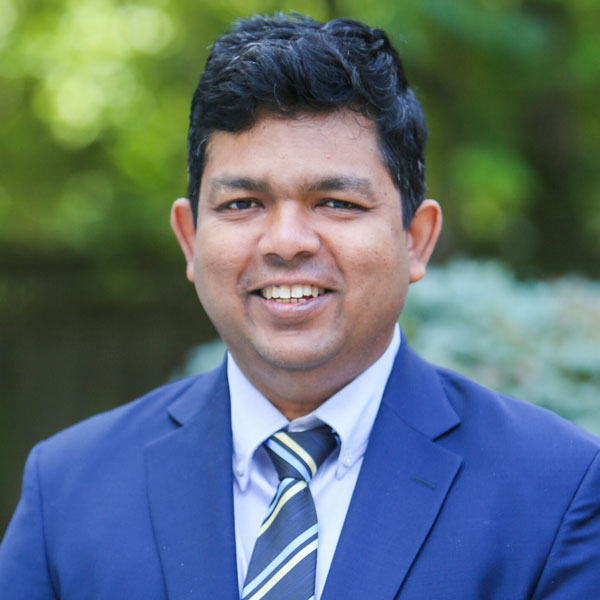
Naren Arulrajah is the President and CEO of Ekwa Marketing, a leading digital marketing agency serving medical, dental, and aesthetic practices. With more than 15 years of experience, he has helped thousands of doctors and practice owners build thriving businesses through customized strategies in SEO, social media, online reputation management, and content marketing. Leading a team of over 180 full-time marketers, Naren has become a trusted authority in practice growth and has spoken extensively on marketing trends and business development. His passion lies in helping practitioners focus on patient care while his team drives sustainable growth in an increasingly digital marketplace
HOST – Adeesha Pemananda
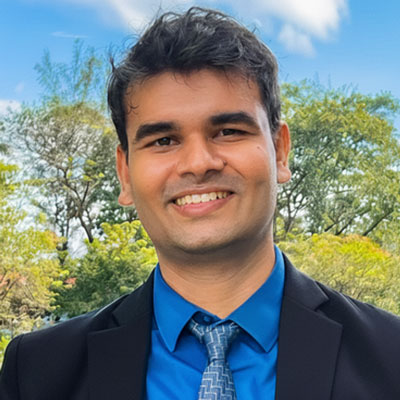
A seasoned marketing professional and a natural on-camera presence, Adeesha Pemananda is a skilled virtual event host and presenter. His extensive experience in brand building and project management provides a unique strategic advantage, allowing him to not only facilitate but also elevate virtual events.
Adeesha is known for his ability to captivate digital audiences, foster interaction, and ensure that the event’s core message resonates with every attendee. Whether you’re planning a global webinar, an interactive workshop, or a multi-session virtual conference, Adeesha brings the perfect blend of professionalism, energy, and technical savvy to guarantee a successful and impactful event.
Resources


Connect with Us:
Category: Business of Aesthetics Podcast