In this episode, host Don Adeesha joins Carmen Stansbury, founder of Advanced Practice, to tackle the operational nightmare of adding a wellness division to an aesthetic clinic. Carmen explains that while the demand for longevity and metabolic health is exploding, building these clinical protocols from scratch often traps owners in a cycle of writing SOPs and hiring staff rather than generating revenue. She advocates for white-labeling clinical IP, a strategy that allows practices to bypass months of R&D and launch turnkey programs for weight loss, HRT, and gut health in as little as two weeks.
Carmen distinguishes between “commoditized medicine”, such as online prescription mills, and “high-value care,” where clinicians act as health strategists analyzing a patient’s holistic picture, including hormones and inflammation. She argues that to compete with digital providers, clinics must master “aspirational branding.” Drawing on a “Gucci purse” analogy, she details how wellness clients purchase based on identity and lifestyle goals rather than medical necessity, urging owners to market vitality and optimization rather than just treating clinical symptoms.
Finally, the conversation shifts to the future of the brick-and-mortar practice in 2026. Carmen outlines how physical locations can win by becoming “third spaces” that foster community and offer hands-on treatments, like hair restoration and red light therapy, that digital platforms cannot replicate. She shares her vision of moving from “hustle culture” to a “health ecosystem,” utilizing automation to handle patient education and retention, effectively allowing owners to scale a profitable platform without burning out on fee-for-service churn.
Key Takeaways
- Stop letting ego delay revenue.
Use white-label IP to bypass R&D and launch a compliant wellness division in weeks instead of months. - Do not compete with online mills on price.
Differentiate as a health strategist who analyzes holistic health factors like hormones and inflammation rather than just dispensing prescriptions. - Market aspirational identity over medical solutions.
Wellness clients invest in a lifestyle so your branding must match the visual polish of luxury goods rather than sterile clinics. - Turn your clinic into a community Third Space.
Win against digital competitors by offering hands-on treatments like red light therapy and body composition scans they cannot provide. - Tailor acquisition to specific psychographics.
Position men’s health as a performance upgrade for work and gym rather than a standard medical treatment plan. - Automate repetitive patient education to save time.
Use your EHR to deliver nutritional guidelines and safety info so staff can focus on high value clinical decisions.
Podcast: Play in new window | Download
Carmen made it clear that scaling a wellness division requires transitioning from ‘hustle culture’ to a strategic ecosystem that attracts and retains high-value clients. This session is the perfect next step to audit your current patient funnel and build the roadmap needed to make that profitable shift a reality.
- Get a 1-on-1 diagnosis of your online presence & patient acquisition funnel
- Identify critical, untapped growth levers (SEO, Social, Referrals)
- Define a clear action plan to attract and convert your ideal patients
- Receive expert solutions for your most pressing marketing challenges
Resources
Live Webinar: Enhancing Modern Aesthetic Practices in 2026
Join industry experts to modernize operations, enhance patient experience, and drive sustainable growth.
Wednesday, January 21, 2026 @ 8:00 PM EST.

Are you ready for the “GLP-1 Body” Era?
Download the 2026 Aesthetic Patient Behavior Model to see the numbers driving decisions this year:
- Why 73% of patients now define beauty by “individuality” over transformation.
- The shift away from non-invasive fat reduction (down ~40%).
- Real data on the rise of the male aesthetic patient.
Subscribe To Our Podcast



Key Highlights:
- 00:00:12 – Introduction: The Operational Nightmare of Building a Wellness Division
- Host Don Adeesha introduces the challenge of adding wellness and longevity services to an aesthetic practice without creating an operational nightmare.
- The episode features Carmen Stansbury, founder of Advanced Practice, who specializes in white-labeling clinical protocols for metabolic health, HRT, and gut health.
- Discussion points include shifting from selling individual appointments to transformational programs and branding medical services as luxury lifestyle products.
- The episode is sponsored by Ekwa Marketing, offering digital growth partnerships for aesthetic practices.
View TranscriptDon Adeesha: Welcome back to the Business of Aesthetics Podcast. I’m your host, Don Adeesha. Every aesthetic practice owner is currently asking the same question. How do I add wellness and longevity to my menu? We know the demand is there. Patients want weight loss, but they also want hormone balancing and they want to feel as good as they look. But trying to build a medical wellness division from scratch is an operational nightmare. You have to write protocols, hire the staff and figure out how to sell something that isn’t a syringe. To help us solve that, we are joined by Carmen Stansbury. Carmen is a double board certified nurse practitioner and the founder of Advanced Practice. She has built a multi seven figure business by doing something very smart. She builds the clinical programs for you. She allows practices to white label her proprietary protocols for metabolic health, HRT and gut health. Giving them a turnkey way to enter the longevity market. Today we are discussing the business of health optimization. We are talking about why you should stop selling individual appointments and start selling transformational programs instead. How to use white label IP to speed up your growth and how to brand your medical services so they feel like a luxury lifestyle product. This episode is brought to you by Ekwa Marketing, the digital growth partner behind this podcast and a trusted resource for aesthetic practices looking to dominate their local markets. With that being said, Carmen, welcome to the show.
Carmen Stansbury: Thank you so much for having me back on the podcast. I’m really excited. I feel like a lot of this field has evolved. And that intro that you just gave kind of summed it up really, really well. The struggles that practice owners have when they’re trying to bring on wellness, longevity, or just health optimization, the market is ripe for it. So I’m excited to dive into this conversation.
- 00:02:23 – High-Value Care vs. Commoditized Medicine
- Don Adeesha asks how to structure outcome-based programs to generate revenue without trading time for money.
- Carmen explains the difference between commoditized services (ordering meds online) and high-value care (holistic analysis of hormones, inflammation, and gut health).
- The key to success is providing a personalized "health strategist" approach that improves outcomes exponentially compared to online prescription mills.
- Operationalizing these services involves pre-built systems to eliminate decision fatigue and streamline delivery.
View TranscriptDon Adeesha: Right. So, Carmen, my first question to you is the traditional fee for service model in aesthetics is becoming harder to scale because it relies entirely on the provided trading time for money. How do you structure an outcome based longevity program such as a metabolic reset to generate consistent revenue without requiring the owner to be in the room for every single visit?
Carmen Stansbury: I think that has a lot of layers to it. So first, I’ll start when we look at bringing on a wellness service. So say, like you just mentioned, weight loss, GLPs are all the rage right now. And when we think about outcome based programming, there are a few different things, right? First, we have to actually be able to deliver high value care around this product. And so GLPs, peptides, all these things have become very commoditized, but a lot of what’s missing in these commoditized businesses are the actual care attached to it. So if we’re gonna bring this on in a practice, we have to think about how are we actually gonna deliver the care? What is it going to look like? How are we gonna provide this personalized service that we’re asking people to give us cash for? Then how are we going to actually give them all the information needed without sitting there and doing all this one-to-one support, one-to-one teaching, training our staff? And then there’s the operating piece of it. How do we operationalize this new service? And how do we put things in place that, one, eliminate some of the decision fatigue that we have when we’re making these clinical decisions? How do we deploy our different staff in our practice to do it? And how do we use pre-built systems? Like, for example, when I first started my med spa, I was actually offering metabolic health optimization and HRT. And I remember the day I logged into the EHR and there was nothing there. I had to build everything from the assessment. What HPI questions do I want to ask? What diagnoses do I want to include? And then just the pharmacy formulary that I had to build so that when I click the dropdown, I’m able to just choose the medication that I know I want to order and that I order all the time. So without rambling too much, that is kind of what people are up against when they are starting to add these services.
Don Adeesha: Okay. And you just mentioned over there, we are trying to deliver high value care for commoditized services. What does high value care really look like? What is the difference?
Carmen Stansbury: Yeah. So the difference is if you, for example, commoditized medicine is you can log into a lot of online platforms now. I’m not going to call them out by name and go through a few questions, they gather the information, and then they send you the medication you want. So for example, if you want to get on semaglutide peptide for weight loss, you can easily go online and grab that medication. And one, it makes it challenging for the consumer, in my opinion, to get really good care. And so the difference is when you’re looking at high value care, that is someone looking at your personal medical history, your goals, your desires, and your everything else that goes into metabolic health optimization and longevity. So for example, if someone could go on and order semaglutide from the internet, or if they come in and see me, I’m also going to be looking at their hormones, their inflammation, their gut health, and all these other things that go into metabolic optimization.
Don Adeesha: Okay. And how does that really improve the outcome? If you could put it simply like…
Carmen Stansbury: I mean, it improves the outcome exponentially. One, it’s like having a health strategist, you know, a lot of people start taking, for example, they take semaglutide, it doesn’t work. Either they have so many side effects, they can’t escalate the protocol, or they have, you know, hormonal imbalances that are kind of keeping them stuck metabolically. And so it goes from ordering a medication online to actually having someone looking at your full health picture more holistically, and creating a plan. So what ends up happening is a lot of people will go online, they order the medication, they spend six months trying to make it work, it doesn’t work, and they’re back in the same exact spot, they’ve spent the money. And now they’re looking for this next level of care, where someone is actually going to give them a customized plan.
- 00:07:11 – The Strategic Advantage of White-Labeling IP
- Carmen shares that building a clinical program from scratch can take months, whereas white-labeling allows practices to launch in 2-3 weeks.
- White-label solutions allow for customization, enabling clinicians to add their own elements (e.g., autoimmune chapters) to evidence-based protocols.
- The "turnkey" aspect includes business and marketing elements, such as SOAP notes designed to increase conversion by focusing on patient desires.
- Training programs like "Profitable Modern Practice" teach owners how to package, price, and sell these services effectively.
View TranscriptDon Adeesha: Right on. So many owners really do want to launch a wellness division but get stuck trying to create a curriculum from scratch. What is the business argument for white labeling existing clinical IP to bypass the R&D phase and how much time does this actually save a practice in the go-to market phase?
Carmen Stansbury: I will say when I built my first clinical program, it took me nearly four months. I partnered with a dietitian to create the metabolic reset top to bottom. I think there’s a difference between going on Etsy and buying a weight loss program and then going through a business like the Advanced Practice where we have a full team of clinicians working on these programs. So I would say the time saved… A lot of our clients, instead of launching a program in four months, can launch it in two to three weeks. We also have a partnership with EHRs like Healthy, where the programs are built into Healthy. So people will come in… We want to launch a weight loss program, we’d love to white label yours. They come in and what they can actually do is take the IP that’s there that is evidence-based and the program and they can customize it to their own business. So that is the difference of using white label IP is that we actually allow people to come on and add their own elements that they want to use to customize their program.
Don Adeesha: Okay. When they are adding their own elements, how does that look like? Can you take us through an example, please?
Carmen Stansbury: Yeah. So a couple examples. One is that it comes with an actual sequencing program that takes people on a journey of 12 weeks of optimizing their metabolic health, identifying metabolic syndrome, treating it. And so maybe they want to add a chapter on autoimmune disease. Maybe all of their patients that they’re treating have underlying autoimmune disease, so they want to add some programming in there about autoimmune disease so they can customize it that way. Another example is because we have our fully built out SOAP notes that include not only an intake focused on the patient’s desire, because everything that we create has the business and marketing and sales elements actually built in. So that’s one example we have. Like in our SOAP notes, it asks specific questions about the patient’s goals and what they’re actually trying to achieve to increase conversion. So that part could be customized all the way down to the treatment plan. We put all of the things that patients optimizing their metabolic health need to know and about the medications that they’re on. So they can simply just click the boxes and have it blown into the note or use the dropdown formulary… It has all of the peptides plus all of the pharmaceuticals plus the supplement protocols. So all of that can be customized based on the clinician’s preference and training.
Don Adeesha: Got it. So do you also do sort of like training programs with it as well? Like, how does that look like?
Carmen Stansbury: Yep. So our kind of flagship course is the Profitable Modern Practice. And it focuses a lot on the intake process, the sales process, putting together packages and programs, because we actually teach you how to build a program. You don’t have to use our white label programs. If you would like to build one from scratch, we show you what elements you need to build to build out a full program. And then we teach, yeah, how to package care. Do you want to do a membership? Do you want to do packages? We tell you what we recommend and we teach how to price it. So that is kind of our flagship course, the Profitable Modern Practice. Then we have our eight clinical programs, but then we also have our Business Academy. We have a program called the Business Academy. It only opens two to three times a year. And that includes our live coaching and all of our programming and community.
- 00:15:10 – Aspirational Branding: Wellness as Identity
- Carmen explains that wellness clients are driven by aspiration and identity, unlike traditional medical patients driven by immediate need.
- Branding must pivot from sterile and clinical to visual and lifestyle-focused to appeal to high-end consumers.
- The comparison is made to luxury goods (like a Gucci purse) where the purchase signals identity, not just utility.
- Marketing for things like gut health should feature vitality and "clear skin" aesthetics rather than clinical imagery of medical issues.
View TranscriptDon Adeesha: Got it. Yeah. So Carmen, we often see a disconnect where a clinic offers elite medical care, but their branding looks too clinical and too sterile. With your background at Livvy Creative, how do you operationalize aspirational branding to make a medical service like gut health appealing to high-end consumers who are used to buying luxury lifestyle products?
Carmen Stansbury: I think that the next level of thinking where people need to approach their branding and approach their business is to think of it like a wellness business. I look at the full wellness landscape and try and stay six to 12 months ahead… Wellness clients are not coming in for a need per se. It’s that difference between I have a medical problem, I’m coming in, I need it solved, give me the treatment. And then they disappear. Right. And so that is a very problem focused visit in conventional medicine. And wellness is focused on a lot around identity, aspiration, longevity, it is very identity focused. And the reason wellness is having such a moment is not because people are sick, right? It’s because they’re aspiring to a certain lifestyle. And so we think about branding for your practice, or we think about how do you market your messaging needs to match what is actually causing people to come through the door. And it is through that lifestyle aspiration and identity.
Don Adeesha: Speak a little bit more on this identity versus problem.
Carmen Stansbury: Well, yeah. Identity is very… It is aspirational marketing. It is how people spend money, not just on things. Why does someone need a Gucci purse? Is it because it’s good leather? Or does that purse say something that they want people to know about them? It’s sending a signal of, I must be these things because I have this Gucci purse. It’s not… conventional medicine is very, it’s standard for, it’s a need where the wellness industry focuses more on aspiration. It’s not a need. It’s optimization. It’s fitness. It is vitality. It is feeling as good on the inside as you look on the outside. It’s very aesthetic.
Don Adeesha: If you could bring that back to the clinic and let’s say for a program like gut health, how would you brand it?
Carmen Stansbury: That’s a challenging question. And if you look, we have the Social Script membership. It’s actually a content marketing membership. And how we brand that is we use visual appeal. So we use beautiful visuals, photography, modern fonts. It doesn’t mean we don’t want people to look at our marketing and think this is sterile. You know, we don’t want to use photos of gut things. We want to use photos of people that look like they have vitality because they have good gut health and gut health is tied to everything else. And so I see a lot of this, even with functional medicine in like the early 2010s, very similar, you know, bringing a wellness aspect to being sick. And so I want to talk again and just point out that we’re talking about two totally different clients, right? You have your people that are sick, that have gut issues, that need to see a GI specialist. And then you have people that are focused on the gut because they want optimization. Maybe, and this is one example of how we use this in aesthetics, when we’re treating acne, to have clear skin, you actually have to have optimal gut health. A lot of acne is caused from, you know, different issues with the gut. So that’s one example that we are, the way that we’re positioning this in our marketing is just working on gut wellness rather than like GI issues.
- 00:20:27 – Brick & Mortar in a Digital Age: The Community Advantage
- Don Adeesha introduces the Ekwa Marketing sponsorship message, offering a complimentary 60-minute strategy session.
- Discussion shifts to how physical practices can compete with cheap online telehealth services.
- Carmen argues that physical spaces offer necessary human connection and hands-on treatments (hair restoration, VO2 max, red light) that digital cannot replicate.
- The concept of "Third Spaces" is explored, with clinics acting like gyms or social hubs where communities gather around wellness.
View TranscriptDon Adeesha: Got it. Got it. Thank you very much for that. So before we continue, a quick message from our sponsor, Ekwa Marketing. Ekwa Marketing are offering our listeners a complimentary 60 minute digital strategy session. This is a one on one consultation with a senior strategist to help you map your 12 month value patient acquisition roadmap. You will get a personal diagnosis of your online presence and patient funnel, uncover and untapped growth levers across SEO and social and walk away with a clear actionable plan tailored just for your practice. You can check the availability and reserve your spot in under two minutes at www.businessofaesthetics.org/msm. All right. So Carmen, the longevity market is exploding, but it’s also becoming commoditized with cheap telehealth competitors. How does a brick and mortar practice use its physical footprint to create a high touch longevity experience that an online only prescription mill cannot compete with?
Carmen Stansbury: I think this actually is a two part answer. The first one is that I think people are looking for more in person connection. I think that a lot of people seeking this type of longevity medicine are wise to… When you’re logging in, you’re not actually seeing a doctor, you’re interacting with an AI bot for one. And so I think there is just draw to offering this in-person service because you are a human in the time where AI is also surging. The next is thinking about the things that people need to come in for that you actually need to have hands on. So things that come to mind are hair restoration procedures, medical aesthetics, red light therapy, VO2 max, maybe you’re doing the in-body scan. And so you’re looking at actual body composition. These are the things where digital health and commoditization does fast really well. You know, they do it fast, they do it cheap, but there are so many opportunities for in-person. The other thing is group. I have a lot of clients actually that are gym owners that I do consulting for. They’re adding that wellness element inside of their gym space, utilizing how many things can we offer.
Don Adeesha: Are there any other spaces that you have seen aesthetic practices align with similar to gyms?
Carmen Stansbury: I think that we see some partnerships… so think Pilates studios, yoga studios, gyms… I think you know we have in the news even Equinox and Lifetime Fitness adding longevity programming inside the gym. I think we’re just seeing a big explosion of these third spaces where people want to gather. Create community around wellness. You know, wellness is the new bar. People aren’t even drinking anymore. They don’t go out to the bar. They go out to work out. They go out and do a fitness class. And so putting these things where people want to spend time and then offering that community element is huge.
- 00:24:08 – Networking & Target Identities (e.g., Men’s Health)
- Carmen attributes her knowledge of trends to extensive networking with digital health entrepreneurs, founders, and private equity.
- She explains the importance of understanding consumer patterns and the "why" behind purchases.
- The conversation explores designing programs for specific identities, using Men’s Health as an example.
- The Men’s Health program is styled like a "GQ Magazine" because men in that demographic are motivated by performance (work, gym, sex) and confidence.
View TranscriptDon Adeesha: Wow. Okay. Yeah, that’s really amazing viewpoint. How did you come across this? I’m curious. Like, how did you find this out? Seems like very niche knowledge.
Carmen Stansbury: I do a lot of networking. And like I said at the beginning of the podcast, for my clients and my business, I try and stay really, really on top of what’s next. What’s coming next? What are we seeing? What are the patterns that are happening? What is the ripple effect from different things in AI? I network with a lot of digital health, entrepreneurs, founders, private equity, you name it, I’m networking all over the place to advocate for, you know, our nurse practitioners, our doctors, our practice owners. How do we stay ahead of the game? How do we stay ahead of the curve? If they go left, how are we going to go right? How are we going to continue to innovate? And then what are we seeing in the consumer patterns as well? What are consumers doing? What are they buying? Where are they spending their money? Where are they showing up? And then, you know, the final element of that is understanding why. And that’s why I talk a lot about the consumer. What motivates them to buy? What motivates them to spend money? Why is this identity such a big deal? And what does it have to do with wellness when it doesn’t have anything to do with medicine at all?
Don Adeesha: Are you building your programs around such identities? Because, you know, a gym goer who will, you know, go into an aesthetic practice is a bit of a different person compared to someone, like you said, you know, that might have a problem right after their traumatic experience or whatnot that they want to boost their confidence in. Are you basing these things around the identities?
Carmen Stansbury: Yeah. So technically, and what we’ll do is teach that kind of in our business programming for people that want to get even more niche. And when we teach clinicians, it’s more what we’re teaching how to sell and how to position these products. But for example, we have a men’s health optimization program. It looks like a GQ magazine. I have in my history, have a lot of experience taking care of men. And so I know what motivates them in this kind of space, you know, and they… it is a very, again, aspirational, they want to feel good in the gym, they want to feel good when they’re having sex, they want to be confident when they go to work. And so knowing what is it that appeals to them? What are they going to say yes to? And how are we going to get those results where they feel like, okay, this person is like really helping me change my life. So we don’t necessarily design the programs over certain identities, but more so because we have to tie them to clinical outcomes. And so more so the… you know, who is this program for? It’s for any man between the ages of 35 and 60, you know, or, or even beyond that, that wants all of those things I just described. So what is, how do we actually get them there when they show up in front of me and they’re exhausted, they’re, you know, moody and depressed. They don’t have the confidence they did 15 years ago. They’re not having the sex that they had 15 years ago. They’re not recovering in the gym like they were. And so how do I as a clinician make that happen and reverse that as fast as possible? And that is the outcome based program. I can say to them, if you stick with me and we follow this plan in six months from now, you’re going to feel like a different man. And that is that is the key.
Don Adeesha: Okay, gotcha there. So clinical outcomes are the primaries, whereas the identities are supporting factor.
Carmen Stansbury: Yes. And then you’re kind of telling them, yeah, who they can become. And that is a lot of the selling point, for sure.
- 00:28:06 – Ecosystems, Automation, and The Future
- The conversation turns to the future of private practices in 2026, moving away from hustle culture toward "health ecosystems."
- Scaling requires automation and utilizing team members effectively to avoid the burnout of fee-for-service churn.
- Automation examples include using EHRs to deliver education (e.g., preventing muscle loss on GLPs) without requiring the clinician’s time.
- Carmen’s "Golden Nugget" for listeners: Success comes from having a very clear position in the marketplace—knowing exactly who you are and who you serve.
View TranscriptDon Adeesha: And now looking at the future of private practices, you talk about moving away from the hustle culture and towards ecosystems. What does a mature, diversified health ecosystem look like in 2026? And how does an owner transition from having a busy clinic to having a profitable platform?
Carmen Stansbury: That’s a loaded question. I think that I speak from experience when I come in contact with these practice owners, a lot of them… already have a practice and they get to a certain amount of patients and they can’t scale any further. They have no systems in place. And fee for service is a recipe for burnout because of the churn. And so as a marketing company, you know, churn will cost your business quite a bit. And so when you’re putting these different programs in place and the right structure and the right strategy, and the right clinical strategy… The goal is that you are able to scale through automation, using your different team members for all kinds of different things inside your practice, and then putting automations in place that keep your retention going.
Don Adeesha: All these automations, can you perhaps, I mean, there must be a lot, but can you perhaps tell us a little bit, you know, on the general sides of the automation that you imply into a practice?
Carmen Stansbury: One automation, for example, is if you have a clinical program, you have all of this education your patients need to know around their treatments, their expected side effects, how to optimize their results… For example, you’re putting a patient on semaglutide, you need to be educating them on how to prevent muscle loss and sarcopenia, putting them at higher risk. But if you sat down and tried to teach them all of that in a session or one-to-one, you’re done. You’re making $0 per hour. And so that’s one example. We use EHRs that have automations built in, or we show them how to use their CRM to deliver the actual program. Where does the coaching live? Where does the education live? Where is the feedback? How do you touch points with your clients throughout their journey so they feel really well cared for, but is not creating operational overhead in your business?
Don Adeesha: Got you. So, Carmen, just to wrap things out, I was wondering if you could give our listeners the golden nugget of this conversation. What is the one takeaway that you know, they can have if they could only have one from this whole conversation?
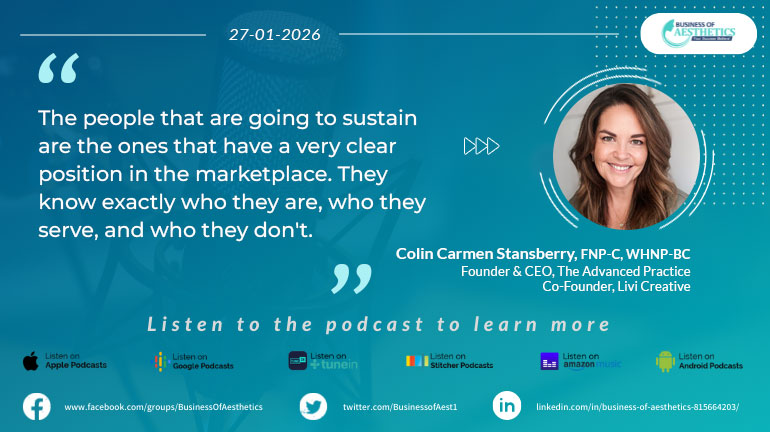
Carmen Stansbury: Okay. I think the biggest takeaway is if you are building a practice, medical aesthetics, wellness, adding longevity, women’s health, just know the opportunity is there. The opportunities are truly endless to build a practice that you really want. And it’s going to bring you the revenue that you deserve, you know, and pay you for your value. But the people that are going to sustain are the ones that have a very clear position in the marketplace. They know exactly who they are, who they serve, who they don’t. And they’re going to get really, really good results. They’re going to want and they’re going to retain because those results are so good. And that is the key to a profitable modern practice.
Don Adeesha: Right. Thank you very much for that, Carmen. And with that, that’s a wrap. That was a blueprint for the future with Carmen Stansbury. My biggest takeaway was the power of white labeling. We often let our ego get in the way, thinking we have to invent everything ourselves. But as Carmen showed, licensing a proven clinical protocol allows you to launch a new revenue stream in weeks instead of months. Speed is a competitive advantage. I also liked her perspective on aspirational branding. If you’re selling a high ticket longevity, you aren’t just competing with other doctors. You are competing with luxury gyms, spas and lifestyle brands. Your patient experience needs to match that level of polish. That being said, I would like to remind our listeners that Ekwa Marketing’s complimentary one-on-one digital strategy session is available for you to take a hold of and ensure that 2026 will be your best year yet. You can check the link at www.businessofaesthetics.org/msm or just by checking the show notes of this episode. That being said, I’m Don Adeesha and this has been the Business of Aesthetics podcast. Thanks for listening and keep on building.
GUEST – Carmen Stansberry
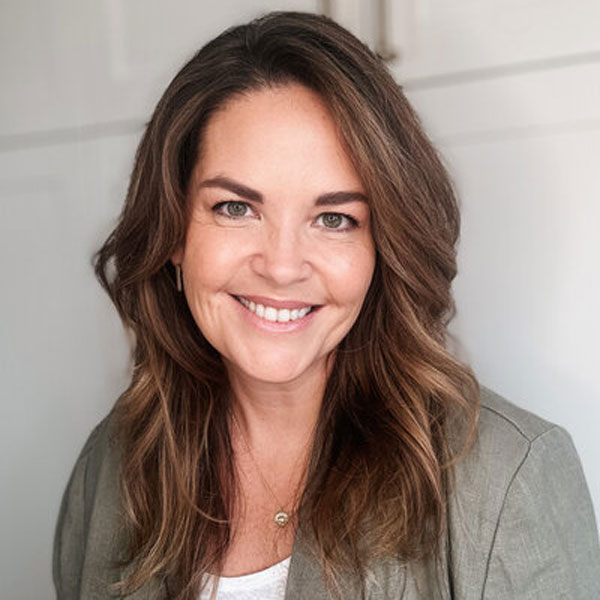
Carmen Stansberry is a double board-certified Nurse Practitioner and a serial entrepreneur who is redefining the business of modern healthcare. She is the founder of The Advanced Practice, a multi-seven-figure platform that provides ‘White-Label’ clinical programs, including Metabolic Health, HRT, and Functional Aesthetics, allowing private practices to launch outcome-driven wellness divisions without the operational headache.
Carmen is also the co-founder of Livi Creative, a branding studio that merges clinical precision with cultural relevance, helping medical practices build ‘aspirational’ brands that compete in the consumer luxury space. Her mission is to help clinicians escape the ‘fee-for-service’ trap and build profitable, scalable ecosystems that prioritize patient outcomes and provider freedom.
HOST – Adeesha Pemananda
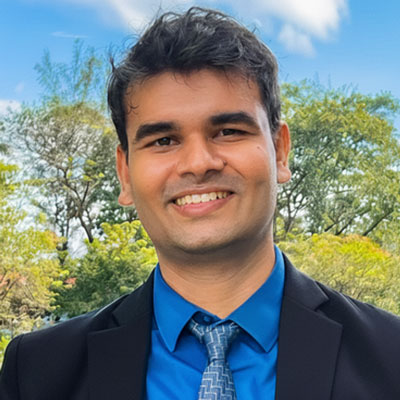
A seasoned marketing professional and a natural on-camera presence, Adeesha Pemananda is a skilled virtual event host and presenter. His extensive experience in brand building and project management provides a unique strategic advantage, allowing him to not only facilitate but also elevate virtual events.
Adeesha is known for his ability to captivate digital audiences, foster interaction, and ensure that the event’s core message resonates with every attendee. Whether you’re planning a global webinar, an interactive workshop, or a multi-session virtual conference, Adeesha brings the perfect blend of professionalism, energy, and technical savvy to guarantee a successful and impactful event.
Connect with Us:
Category: Business of Aesthetics Podcast