In this exciting episode of the Business of Aesthetics podcast, host Michael Walker welcomes Ben O’Brien, co-founder of the Faces Consent app. Ben shares his journey from opening clinics across the UK to building one of the most powerful all-in-one tools for aesthetic professionals.
Ben explains how Faces Consent started as a simple way to collect patient consent forms, but quickly grew into something much bigger. Now, the app helps over 150,000 practitioners handle bookings, store patient records, write prescriptions, and even order medical supplies, all in one place. He also talks about how they use AI to create review summaries, help with customer service, and boost clinic marketing.
Michael and Ben dive into some big problems that aesthetic clinics face today, like managing paperwork, hiring the right staff, and dealing with burnout. Ben shares real stories and helpful tips on how clinics can grow smarter, not harder. He also explains how important it is to start small, focus on your strengths, and build systems that support your goals and lifestyle.
In this episode, you’ll also learn:
- How the Faces Consent app began as a simple tool to collect patient forms and grew into a full practice management platform.
- Why streamlining consent, booking, and product ordering can save time and reduce stress in your clinic.
- How AI helps generate patient reviews and handle customer service without adding more work to your plate.
- Why listening to user feedback early on helped the app grow and become trusted by over 150,000 practitioners.
- How digital tools can protect your brand and processes, especially if you operate in multiple locations.
- What challenges clinics face with staffing and prescriptions, and how the app helps solve both.
- Why it’s smart to grow slow and focus on what you’re good at, instead of trying to do everything at once.
Podcast: Play in new window | Download
Subscribe To Our Podcast



Key Highlights:
- 00:00:07 – Welcome & Sponsor Introduction
- Host Michael Walker opens the show and thanks listeners worldwide.
- Shoutout to Ekwa Marketing as episode sponsor.
- Listeners are offered a free digital marketing consultation at businessofaesthetics.org/msm
View TranscriptMichael Walker: Welcome to another segment of the Business of Aesthetics podcast. I’m Michael Walker, your host for this episode. But before we get started, I want to thank all of our incredible listeners from the United States, Canada, United Kingdom, and around the globe. We couldn’t do this without your continuous support. A special thank you also goes out to our sponsor for this episode, Ekwa Marketing. With 20 years of experience, Ekwa Marketing is a leader in digital marketing services for aesthetic practices. As part of this podcast, they’re offering our listeners a complimentary digital marketing consultation, which will include a tailor-made 12-month digital strategy for your practice. You’ll be able to head over to businessofaesthetics.org/msm to book your consultation, but I’ll share more about this opportunity later in the podcast. So don’t worry about catching that address right now. I’ll make sure I get it to you again. So, without further delay, let’s dive into our theme for today. And I love the opening word: revolutionizing Aesthetic Practice Management, the “Faces Consent” app with Ben O’Brien. Ben, it is great to have you here all the way from the United Kingdom today. Thank you.
Ben O’Brien: Uh, good to see you, Michael. Thank you for your time.
- 00:01:21 – Meet Ben O’Brien & the Faces Consent App
- Ben O’Brien is introduced as co-founder of Faces Consent.
- The app helps with booking, consent forms, and ordering supplies.
- Over 150,000 practitioners now use it.
View TranscriptMichael Walker: Well, let me share a little of our—a bit of your background with our listeners. Uh, Ben is the co-founder of Faces Consent, a leading aesthetics practice management app that is transforming the way practitioners handle bookings, consent forms, and stock purchases. With over 150,000 practitioners using the app, Faces Consent has quickly become an essential tool for aesthetic providers looking to streamline their business operations. Ben and his team recognized a growing need in the aesthetics industry for a seamless, all-in-one platform that simplifies patient management, documentation, and inventory sourcing.
The result was Faces Consent, an app that integrates everything from automated booking and digital consent forms to a pharmacy marketplace that allows practitioners to source medical supplies with ease. In today’s episode, we’ll dive into how technology is shaping the aesthetics industry, why digital solutions like Faces Consent are crucial for modern practices, and how automation can save time, improve compliance, and drive business growth.
Again, it’s great to have you here, Ben, and I’m gonna start out with a little bit of background on your journey. What inspired you to create “Faces Consent,” and how has that just grown into the platform it is today?
- 00:02:40 – How Faces Consent Got Started
- Ben shares how they first built the app for internal use at their clinic.
- The idea came from needing a better way to manage consent forms.
View TranscriptBen O’Brien: Um, really good overview of, uh, of what we do there, Michael, so I appreciate that. So, my bit of background myself was—myself and my co-founder Ashley—we, we created a, um, a clinic. So our background was clinic. So my co-founder Ashley, he was, uh, he’s medically trained. He, he was, uh, trained as a nurse in the UK so we could open up a clinic and then understand what the, uh, the aesthetic industry was all about. So we had about 23 locations around the UK. Now we have about a handful. And what we really understood was, when we were treating clients, that there was a lot—every client had to have a consent form created.
So off the back of the consent form, we were realizing there was a lot of paper and admin everywhere that kind of had to be reorganized at the end of the day.
Ben O’Brien: It kind of took a long time. So what we thought was, why don’t we create a simple application that allowed our clients to fill out the consent form prior to their treatment, or even on the day in person with us, and then we could store that information on a simple app? So what we did was we contacted a development team in India to create a very basic version of, of “Faces,” just for our own clients. It wasn’t designed to be for other practitioners. It was an in-house app only.
So then we just had a handful of consent forms listed on the app, and then we just used our own client base. But then, from the back of that, other practitioners that we showed to get some feedback, they said, “Can we use it ourselves?” And then from there, we just opened it up to everybody and gave it away for free, and it kind of snowballed from there.
Michael Walker: Wow. So you’re over 150,000 practitioners now, is what you’re running with. Can you give us a couple of success stories from people that have been using it?
- 00:04:48 – Real Growth & Success Stories
- Clinics using the app are seeing business growth and client retention.
- The platform helps new practitioners build their schedules quickly.
View TranscriptBen O’Brien: Well, absolutely. So our—ourselves, basically—we still have, our clinics still use it in-house. And some of these practitioners have stored hundreds of thousands of consent forms and really organized their own database within the app. They store all their client information, they’re able to create bookings, save all their client information, and you can create your own booking list within the platform and send a booking link to your client so you can get new bookings.
So on our marketplace, we are obviously generating these clients more business. So what you can do is you can start as a practitioner, be on a training course one week with no clients, join “Faces,” and then within a couple of weeks, we’re sending new clients to fulfill your diary, which has been working really well for a lot of the practitioners. But yeah, we’ve had some of the practitioners—we’ve been going about four years—some of the practitioners that are with us, they’ve been from day one, and they’ve seen the growth and they’ve seen all the new features that we’re adding, and we’re constantly adding new features and benefits to our audience.
Michael Walker: Yeah, it’s one of those things. It’s like, they’re just a dynamic force—once you start them, they just continually evolve. And these days, we have such a real-time, just-in-time demand for things, you just have to constantly be evolving it. And mm-hmm.
So I had a chance to look at it this morning, and I was really impressed with it. I saw—I was thinking as we’re looking at it, though—’cause we’ve been having a lot of conversations lately about AI in different, yeah, in different worlds I’m involved in, with webinars and podcasts. And you know, boy oh boy, this is one that’s gonna have—I’m sure you guys are already having discussions around that. Don’t wanna—but I can see it being, you know, one of the big benefits of something that you can standardize: materials that, you know, when you have multiple offices or multiple people involved in a process, that’s usually where the breakdown happens, when somebody goes rogue on you and disrupts the integrity, perhaps, or the structural flow of the organization.
- 00:04:48 – Protecting Process with Standardization
- Michael and Ben discuss the importance of consistent processes across clinics.
- The app helps prevent breakdowns when managing multiple locations.
View TranscriptMichael Walker: So, see that so many times in my work as it comes—where we have multiple offices, and you’ve got one of the offices taking a lifeboat and leaving the mothership—and, you know, it creates all this problem. And these kinds of apps just protect the integrity of the brand, protect the intent, and the flow of the processes. So, have you had any experience with that? Like, how people have found that with their multiple—with, you say, use it for multiple sites—but just the number of people being involved in an industry, or even in one simple practice, where it’s been beneficial for them?
Ben O’Brien: Yeah, so we started using a lot of AI within the app at the moment. So what clinics can do—which they’ve really found easy to understand and grow their business—is when the consent form has been completed by their client, a review box pops up. So once the client’s had the treatment, rather than leaving a lengthy review manually—because we know what treatment’s been had by the client—the AI bot would automatically generate the review off the back of what the consent form was. And then the client can just manually quickly read over it and go, “Yeah, I agree with that review. That’s a kind of fair representation of what the experience was on my side. I submit that.”
So you could have this really core, in-depth review generated by AI, but it saves the client having to fill it out and write it. Because what we realized was that clients, even though they had a great experience, they didn’t want to write the review—they just haven’t had time. And then when you send a review link—“Can you leave a review?”—“Oh, I would love to,” but… press delete. So we get the AI bot to do it for them, and you’ve just got to confirm it.
From doing that, over 12 months, we gathered 500,000 reviews for our clients.
- 00:08:55 – Using AI to Generate Reviews
- AI writes draft reviews for clients based on their treatments.
- Over 500,000 reviews were collected in just one year.
- Saves time for clients and boosts visibility for clinics.
View TranscriptMichael Walker: Wow. That’s a—I mean, you’re solving two huge problems. One is that, you know, it’s not that people don’t want to leave a review, they don’t know how to start it, they don’t know how to write it, and you just solved the problem. I mean, I’ve been doing that for years—when I ask for a review, here’s three ideas I have that might be helpful if you’d like to write a review, and they say thanks, and they pick one. You know, now you’ve just taken it and made it even more personal because it’s customized to whatever they’ve experienced in the particular practice.
But the other side of that is that we have—there’s a theory in hotel school—we call it the “three and thirteen theory,” that for every great restaurant you find, when you find one of those super special ones, you only tell three people ’cause you don’t want everybody going and you lose your table. That’s changed a bit with the internet, but the thirteen is—well, if you have a problem, you’ll tell thirteen people.
And so it’s just this beauty. So the three is just part of human nature. You’re just solving the three—that’s awesome. Well done, Ben. I love that.
This—well, obviously, the app integrates, you know, we said booking and consent forms and a pharmacy marketplace. Can you walk us through how these features work together to streamline an aesthetic practice?
- 00:10:04 – Building the All-in-One Ecosystem
- Booking links, digital forms, prescriptions, and product orders are all integrated.
- Clinics stay within the app from start to finish.
- Learn more at facesconsent.com
View TranscriptBen O’Brien: Absolutely. So what we did was, we created “Faces” to start off as consent forms. We created an MVP, we launched consent forms only, and we gathered feedback from the users. In the early days, I would speak to every single user. I would make sure that they were well onboarded and they understood the app perfectly. So from that, I built up a strong relationship with every single practitioner. When they sent me feedback, I would just say to the tech team, “Can you implement this feedback as soon as possible?” So in the early days, everybody who had an idea—we just built it. That kind of made every practitioner happy because we listened to them, and they went and told their friends, “Why don’t you use Ben’s app? He’ll just build anything you want.”
But from there, obviously we couldn’t do that long term.
Ben O’Brien: So we had this kind of strategy. We wanted this ecosystem where you could create your consent forms. So first of all, you get a booking through your booking link, then a consent form would automatically be sent to your client to complete. And then once you’ve got the consent and the consultation’s been done, you can go and find a prescriber in your local area that can create you a prescription through the app—a digital prescription—which is then sent to the dispensing pharmacy for your Botox or your dermal filler.
And then you can buy the Botox or the fillers, or your consumables and the products for your clinic—you can buy them all directly through “Faces.” So what we created—we created the need to store your client information, but we knew these practitioners needed to buy their products from pharmacists. So rather than them leaving the platform and going to buy from a pharmacy outside of “Faces,” we created a marketplace that had dozens of pharmacies all in one place. So you could buy all your products at the best price, price match, find a supplier that works for you—all on one platform—and keep everything you do in your business in one place.
Ben O’Brien: So from there, we created this marketplace, and then all these practitioners started buying products from us. And today, we generate over £4 million every month in sales revenue through the platform. So it kind of works, but it keeps the user—the practitioner—within the ecosystem. So that’s what we kind of built. From consent to booking to pharmacy, it’s all interlinked, and it kind of works really well.
But off the back of the marketplace—where we were like an Uber for the aesthetics industry and buying products—we thought, well, we need to understand our demographic and our practitioners a little bit more. So we created our own pharmacy. We had our own brick-and-mortar pharmacy in the UK, with our own pharmacist, stocked our own pharmacy, and then sold products to our practitioners directly.
It’s allowed us to understand the customer journey a little bit more—what products were the best-selling and the margins that were within the product. So then that allowed us to price—how much do we charge the other sellers for the fees to be listed on “Faces”? Because now, we don’t just understand the aesthetics market—we understand the pharmaceutical market and what these products should and shouldn’t be sold for. Because it’s all well and good listening to the pharmacy saying, “Oh, we don’t want to pay that fee because it’s too much,” but if you don’t understand what the fee is and the margins in it, then you’re just guessing.
So that’s why we’ve got our own pharmacy—and it does really well now, our own pharmacy does—as well as all the other pharmacies still, too. So it’s correct to say the whole platform—you can do everything in one place.
Michael Walker: Well, that—you know, the term we use has always been around, it’s called vertical integration. That whole idea of bringing everything under a channel—like in manufacturing and just-in-time manufacturing came out of trying to vertically integrate the parts to arrive at a certain time to build a car and all those things—yeah, basically you’re bringing that in-house and pulling that under one channel.
And you know, it’s interesting. There’s a company—I think it’s called Amazon, you may have heard of it—that kind of did that. And I think they’ve done it pretty well, to some extent. But what I hear you doing is—you’ve done that from where they’re a generalist in the context of what they do, you’re a specialist. You know, you’re focusing on the field and have the expertise in the field—kinda like our sponsor Ekwa Marketing, who are just amazing, uh, aesthetic marketing company. That’s what they do. They don’t do manufacturing, they don’t do retail or different kinds of things.
But I think it’s so interesting that you’ve pulled that all together. But I’ve gotta ask you this: what are some of the biggest operational challenges aesthetic practitioners face today, and how is “Faces Consent” helping them solve those problems?
- 00:15:19 – Addressing Common Practice Challenges
- Staffing and finding reliable prescribers are major issues.
- The app connects practitioners with prescribers nearby, solving both problems.
View TranscriptBen O’Brien: Well, I’d say one of the biggest challenges within our industry is staffing. So a lot of the clinics find it very difficult to staff. What they’ll do is—they’ll launch their own clinic, they’ll get busy, and then they’ll try and hire another practitioner. The problem in the UK is it’s very fragmented. Most practitioners want to be their own boss; they want to work for themselves. So what you’ll find is when practitioners work in an established clinic, after a few months they’ll leave the clinic and set up on their own, and then the clinic’s back to square one.
So what we did was—on the “Faces” app—you can actually try and recruit and find other practitioners within the platform. Because it’s all managed within the same platform, they’re kind of a bit more likely to stay within the clinic. Once they’ve been recruited and they have a good experience and build a good relationship with the clinic owner, they kind of stay and don’t move on as much as if they were found elsewhere. So that was one of the issues we were solving.
Ben O’Brien: The other issue was—finding a prescriber. In the UK, you have to have a prescription to buy a bottle of Botox, and then you have to cash that in at a pharmacy. One of the biggest issues was a lot of practitioners couldn’t find a prescriber in their local area. So what they were doing was—they were using unlicensed products, because they couldn’t get hold of a legitimate product due to the lack of a prescription. So they’d buy some products from, like, China or Korea and have them imported over, and they’d use those under the radar without anyone knowing.
The results are just as good as a legitimate bottle of Botox, but the Korean versions aren’t licensed in the UK. They’re licensed in Korea, but not in the UK. So you could just import them whenever you like.
So with the launch of our “search for a prescriber in your local area,” we’ve now got 4,000 prescribers registered on the “Faces” app. It’s just like a telephone directory for prescribers. So a practitioner who previously struggled to find a prescriber locally—they can go onto the Faces search, find a prescriber in the area, connect with them just like a Facebook friend request, send them a message and say, “Hi Michael, are you available to come into my clinic next week? I’ve got five clients.” And then Michael might say, “Oh yes, I’m only down the road. No problem. I’ll come to your clinic and write those prescriptions for you.” Fantastic.
Ben O’Brien: So what we’re doing is connecting the prescriber and the non-medic together, where previously they had no way of doing that—apart from writing a post on Facebook, “Prescriber wanted in external city”—but that was just too sporadic. So we really doubled down and made this environment where the practitioner and the prescriber could meet and link safely, and then write prescriptions. And that can all be monitored by the pharmacy as well.
So that was a massive help to our audience in the UK. I know it works slightly differently in the US and Canada, but in the UK, that’s why we generate over a thousand orders a day now—because we managed to connect those two, the practitioner and the prescriber, together.
- 00:19:01 – North American Market Adaptability
- The app is free and available internationally.
- Marketplace for products is currently UK-only due to regulations.
View TranscriptMichael Walker: Interesting. Yeah, I can totally see the—again, just, you know, it’s aligning what we would call, you know, preferred partners or strategic alliances.
Mm-hmm. Yeah, absolutely.
Have you—you know, we didn’t talk about this before we got started today—but I want to bring that up. I mean, clearly you’re a UK-based app. Yeah, that’s funny to say. You’re actually not a UK-based app; you’re a worldwide app, because anyone can get it. But your core foundation has been built out of the UK.
And so—and our audience is international, but fairly heavily North American. What are your—what does that—somebody sitting here on this right now thinking, “Hey, this is—I want to get involved in this. I think this—how is this gonna be different for their experience, be different from a North American experience?” I guess from a UK experience—that’s probably the easiest way to put it.
Ben O’Brien: Absolutely. So—and like you say—anyone can download the app, it’s totally free to use. That’s why we kind of grew so quickly compared to our competitors. They would charge. Now in the States—and probably in Canada—they charge for this kind of service. They pay for it, a couple hundred dollars a month. Whereas we wanted to do a land grab of all the users, all the practitioners, and we gave it away totally for free.
But the experience would be very similar if someone from Canada or the US used the app. It’s just—the dollar sign would be a pound sign. So we are integrating it so it can be used overseas at the moment, so it can be fully integrated in a US or Canadian clinic.
The only thing you couldn’t use at the moment is the marketplace shop.
Ben O’Brien: Because the rules and regulations are so different in the States, Canada, and England, we’ve only got licenses in the UK to sell prescription medicines. So we’d have to do some more research on how it works in America and Canada to understand what the market is and how it functions.
Because I understand—so Allergan, for example, one of the biggest manufacturers of toxin, they own the brand Botox—what they do is they’ll ask US and Canadian clinics to sign up directly to the manufacturer and have that direct relationship, where the clinic then would buy directly from the manufacturer.
In the UK, Allergan and other manufacturers will have relationships with pharmacists, and then what will happen is the clinic would buy directly from the pharmacy. A lot of the time you can go directly to the manufacturer, but much of the time it’s subcontracted through pharmacies, which I understand doesn’t really happen overseas.
So we’d have to—yeah—for the marketplace, to buy the fillers and the toxins and the consumables, we would have to organize that a little bit better and understand the market a little bit more.
But if the practitioners in the US and in Canada want to use the booking system, consent forms, aftercare, and manage all their clients in one place—totally free of charge—then they can download “Faces,” and that still works for them.
- 00:22:20 – Training Courses and Free Access
- The app lists training programs for new practitioners.
- Clinics can test features like scheduling and forms at no cost.
- Try the free app at facesconsent.com
View TranscriptMichael Walker: Wow, that’s awesome. That’s—yeah, I mean, that’s the key piece there. I was looking—we were talking about this earlier—I was looking, and I saw that, for example, you had practitioners who have training courses. Yeah, you have a whole list of them there.
I mean, boy, if you’re just—if you’re on this podcast right now and you’re thinking about getting into this business, or you’re just starting, if you’re ever looking for a place to find out what are kind of the primary courses—the things that I might need to look at—that list is very comprehensive.
I think that—and kind of the key word is, I think in everything you’ve said, is probably free. The fact that you can do this and try it out—I think it’s always important to, um, you know, just like you guys are looking at how this would play out in a North American market, you need to look at it in terms of how it would play out in your practice.
Michael Walker: But, um, the cool thing about an app like this—or something like this—is you don’t have to bite, you don’t have to eat the whole elephant in one meal. It’s just—take one piece that you think is significant. You know, the schedule. You try something. Pilot it.
I just—I love that idea.
But with technology becoming such an essential part of practice management, Ben, it’s like—there’s, and there’s so many pieces and platforms. I hear so many different dimensions of that.
How do you see digital solutions like “Faces Consent”—we sort of started talking about this—but shaping the future of the aesthetics industry? Where is it going, and where are you guys gonna be with it?
- 00:23:53 – The Future of Practice Management
- AI will help clinics respond to calls, emails, and messages.
- One platform keeps everything simple and efficient.
View TranscriptBen O’Brien: You know, um, there’s many ways. I suppose it’s like—say—the reason why the future should be digital is, for one, GDPR. We have that in the UK, which is a HIPAA compliance equivalent. So like, “Faces” is HIPAA compliant. We have an American agency that looks after all our HIPAA stuff. So I know that’s kind of a big thing over your side.
So that’s one of the reasons—if it’s all in one place, your paperwork isn’t everywhere, really.
Innovative features and continuous improvements—so, like you say, AI has been a massive part now in clinic growth. If we can incorporate as much AI technology as possible into our platform, then it’s kind of something that you can’t do outside of technology. For example, customer service—you know, some of our customer service bots use AI technology.
Ben O’Brien: So we have about 800 phone calls a day on how to use the app and issues with people’s orders and how that can be resolved. One person—or even a group—can’t answer all those calls. So we have AI technology to take care of customer service.
Now, what we’re seeing in other clinics is exactly the same. The practitioner or the owner of the clinic is busy treating a client, the phone’s ringing, or they’ve got email inquiries coming in. We’re looking at creating AI technology that can answer those calls, get back to those emails, get back to those social messages—to make them more bookings. And then, when they come back from their treatments, they’ve got a full diary. Where before, they’d have to do that after their day, after clinic.
But like—streamlining operations—if everything’s in one place, it kind of streamlines the whole process in a way. If you’re using multiple platforms, then it can get a little messy. If you do everything in one place, it becomes more efficient.
Ben O’Brien: There’s an app in the UAE, in Dubai mostly, called Careem—it’s like Uber, but it’s bigger than Uber. It’s actually owned by Uber now. But what that does—it’s called “the everything app.” Most people in the UAE use the Careem app, and it has everything in one place. You can do dry cleaning, transfer money, book a taxi, book a hotel—you can do anything you want, all in one place.
Now, we took a bit of that inspiration—because that app’s not even in the UK—but we took some of that and added it to “Faces.” If we can be the all-in-one solution for the aesthetic practitioner, then we believe we can grow around their needs—and as their business grows, our business grows.
Michael Walker: Yeah. Thank you, Ben. I get that. I’m seeing a lot of people doing different pieces. There’s different—uh—I’m not seeing a lot of fully comprehensive structures yet in the conversation.
I’m kind of fortunate, I get to see a pretty broad section of the medical industry in terms of these webinars and podcasts that I host. But I think something you said there that’s so important—how many years have you guys been doing this now?
Ben O’Brien: Uh, just over four years now.
Michael Walker: Yeah. So that’s—that’s old in this world. Four years is a long time. There’s this—when you think back on your first—you were saying, you know, where you were actually directly discussing with clients, practitioners, and getting feedback and all that.
Imagine if you tried to do that with 150,000 people. That’d be an interesting week.
So things have evolved. But I think the important thing here—and what I’m hearing—is that a lot of, I hear a lot of feedback about… the comment I’ve heard is: “There’s too many platforms.”
Okay, we have too many. That’s one. “We’re not catching the email follow-up…”
I just saw a new statistic the other day—that 40% of website traffic is after hours.
Ben O’Brien: Yeah, I believe that.
- 00:28:18 – Why do you need a digital practice management tool?
- After-hours traffic is huge; digital tools help capture it.
- Platforms like Faces Consent make documentation and inventory easier.
View TranscriptMichael Walker: And I thought, wow, you know, what are the systems we have in place to capture that? We have bots and those things that are in there now, and Q&As and things, but that’s gonna evolve. AI is transforming that as well.
So I think the question, you know, when you look at—if somebody hasn’t kind of adopted a digital practice management tool, and they’re okay, and they’re listening and thinking about that—what would you say to them? What would be the key benefits of making a shift that was more integrated, I guess is what we could say—singular in its nature of platform?
So what are key benefits of making that kind of shift? And if they were gonna go ahead and look at “Faces Consent” as a starting point, how do they do that?
Ben O’Brien: Absolutely. Well, a point I picked up on there when you said a lot of work is done outside of working hours—I definitely believe that. That’s why our call center—we have a call center of 20 customer service agents—they’re based in the Philippines now. They work from, say, 9:00 AM UK time all the way till 10:00 PM. They have shifts. So our call center is open till 10:00 PM in the evening.
We know that a lot of the practitioners finish work at 6:00 PM and do all their admin and questions between six and ten at night. That’s why we had to open the call center a little bit longer.
But platforms like “Faces”—it’s always going to help the business improve their efficiency. It’s going to save them a lot of time when it comes to documentation, client information, bookings, making notes, finding quotes for insurance.
Ben O’Brien: If you have everything in one place, you’re going to save hours and hours at a time. And if you have a problem with the app or you have a question, we’ve got 20 customer service agents on-hand. You can pick up the phone, you can send us a message through social media, you can contact us on WhatsApp directly. There are many ways that we integrate and speak to our customers along the journey.
So we make it as easy as possible for them to use the software—so their business is well-oiled and well run.
There are many benefits to using software within your clinic. I believe in some of those personally, really—because it’s helped us as a clinic, especially when it comes to buying products. You can buy your dermal fillers or your consumables with one click of a button, and you get it next-day delivery.
That’s kind of how we’ve built the business around—and that’s why we get a lot of repeat customers. We get over 200 practitioners a day sign up—because it’s good referrals.
Michael Walker: Wow.
Ben O’Brien: And most of them—I was gonna say—most of them have got my personal number too. So my WhatsApp goes quite crazy at times.
Michael Walker: Oh, is that right? Yeah, good. That’s always the risk when you’re the founder and entrepreneur—you forget to update connection points.
Ben O’Brien: Mm-hmm.
- 00:31:34 – Reducing Admin Burden
- Clinics save hours by managing everything in one place.
- 20+ support agents are available to help users daily.
View TranscriptMichael Walker: The, um—so look, just in looking at that and, as a—if I was an aesthetics practice—and we have, our audience is very much, as I mentioned before, we have people who are just starting in the business, maybe looking at it; some that have been in for a bit; others that might be expanding or growing—either growing one practice or growing multiple sites.
But the one thing that I’ve seen a lot of is this conversation about lifestyle medicine, and this whole idea of—you know, I think it’s important to recognize that you, as an aesthetic professional, have a passion for the art of aesthetics. But we all have to learn how to right-size our time investment and our financial investment into the journey.
And it just seems to me that there’s just so many demands on our time, and so many demands on our money, in so many different ways.
Michael Walker: It just makes sense that we consider how to streamline that—to what you’re saying, Ben. And I think it’s—when we talk about lifestyle, we’re not just talking about the superficial. We’re talking about what I would call prosperity, which is really: financial, relational, spiritual, physical, and emotional—in its fullness.
How do we—and this is what these kinds of platforms that Ben’s talking about in specific—Faces Consent—their mandate really is to try and give you the ability to prioritize the things you want to have happen in your life in all those realms of prosperity, and not get overwhelmed by the rest.
The other conversation we’re having a lot lately is burnout. People who are already in the business—and there’s too much. “I can’t handle this.” “I can’t go home at night and feel good about how I handled myself or other people.” And we’re hearing all that too.
So again, some of these applications—as we move toward the end of our time, Ben—just as you look at the industry moving forward, if you were talking to an aesthetic professional just starting out, or somebody who’s in that place where they might be a little overwhelmed, what would you say to them as a professional?
And how might you suggest that “Faces Consent” can be part of their journey?
- 00:33:49 – Smart Growth Advice
- Ben warns against growing too fast.
- Focus on a few services and grow slowly to avoid burnout.
View TranscriptBen O’Brien: Well, I’d definitely say—try not to grow too big too soon—because that’s what we did. And we failed.
We were doing 23 locations across the UK at one point, running around—we ended up burning out two cars. Two cars physically blew up on the motorway. My co-founder Ashley ended up in hospital because of severe burnout. So we had to draw it back—just to a couple of clinics. And what we found was: running a couple of clinics successfully made just as much money as running 23 locations sporadically. We made just as much revenue between the two.
So it kind of shifted the business model from there. I wouldn’t try and grow too quickly. Start off small. Become good at what you do. Specialize in a few treatments. So if you want to just do toxin and dermal filler, then specialize in that. Build your client base up and really research into what you want to be.
Ben O’Brien: Where do you want to specialize? Where do you want to sit within the industry? Do you want to specialize in laser? Do you want to specialize in skincare? Do you want to specialize as a trichologist with hair? Or do you want to do toxin and dermal filler?
Because there’s so much to the aesthetics industry—the reality is, you can’t do it all. Not at the start. Maybe over 10–15 years, when you get better and have more people on your team, you can offer these services. But you don’t want to be—just want to be—a master of a couple of parts of the business, really. That’s where you’ll benefit. You’ll see your clients return more when you build up that relationship.
You know, and that aside—from “Faces”—you know, Faces can help you manage all that paperwork and information and data compliance, and help you retrieve and move clients and bookings. Faces can help you with all that.
Ben O’Brien: But when you’re starting off as a clinic, I’ll say—just start small and grow slowly, with yourself, over the next couple of years. Just get yourself out there, really. Keep growing your business. Get your brand and your own name out there. Do partnerships and collabs. Ask influencers to come in and do some photos and treatments with you.
That really worked for us in the early days. We had a lot of people from Instagram come in, and in exchange for posts, we’d give them free treatment. Then their followers would come in and book with us. That kind of really worked well.
Michael Walker: Thank you, Ben, and thank you for, you know, bringing real-time experience to the table on that.
Something we talk a lot about in veterinary medicine, in dental practices, other surgical practices—is mentorship.
And the importance of mentorship, not just in terms of skillset, but the life sets—like just what we’re talking about: not getting that burnout, not overloading.
Is that something that you’ve experienced for yourself, or see as important in the aesthetics industry?
- 00:36:56 – Finding Your Niche
- Clinics should pick a specialty like skincare or injectables.
- Build your brand through influencer partnerships and consistent service.
View TranscriptBen O’Brien: I haven’t experienced it myself yet—unless I’ve gone past it and I’m already burned out.
I tend to just turn up every day and do as much as I can every day.
But I’ve got a supportive team. I’ve got a supportive partner as well—so she understands what I do and how I operate. But yeah, burnout does happen to a lot of people, especially as I’m hearing more and more of it.
But I think as soon as you kind of experience it—or if life becomes a bit of a blur—maybe you need to take a step back. Have a couple of weeks off, go on holiday, and then regroup. Or you might be taking on too much—that can be the biggest thing as well.
I’d say just focus on one thing and try and move that needle slightly every day. Because where you are today will be a different place in a year’s time.
Ben O’Brien: That’s what—when we look back on what we’ve done over the last four years—we went from making $8 a month to doing, you know, $4 million a month. But you don’t feel like you are moving. Sometimes I turn up to work and go, “Am I doing enough to grow the business?”
But calls with yourself, Michael, and speaking to other people, and speaking to our tech team and our marketing team—all those little bits move the needle forward. And then you can only see it when you look back over months or years—you’ll see the growth.
So I think it’s about not taking too much on, really, and that will help with your burnout—if you think you can be prone to it. And try not to get too stressed about it.
Ben O’Brien: And I’ve always said to people: Don’t do what you’re passionate about. Do what you’re good at.
Because you might be passionate about good food and cooking, but that doesn’t mean you’re going to open a restaurant. Just go to a restaurant and enjoy good food.
A lot of people, like you say—they leave corporate jobs, open a restaurant—it doesn’t work because they thought they were passionate about food. But if you’re really good at something, you kind of enjoy it more.
And we’ve noticed practitioners that are really good at the job—their clients return. They enjoy it more. Just because you have a love for beauty and looking good doesn’t mean you’re going to be a good practitioner.
Michael Walker: Right.
Ben O’Brien: But if you’re hands-on, and you’re quite creative—the aesthetics industry could be for you. You could be really good at it and not even know you’re good at it yet.
- 00:39:31 – Dealing with Burnout & the importance of Mentorship
- Michael highlights the importance of mentorship and support systems.
- Ben reflects on burnout in the industry and the importance of focusing on strengths.
View TranscriptMichael Walker: Wow. That is great. Great advice, Ben. Thank you. I—my philosophy—I coach coaches and business executives that start out, and one of the things we’re… what I find is that most of us in life never have the opportunity to have an agenda-free space, which is what coaching really offers you if it’s done well. It’s not about teaching, it’s not about telling. It’s about moving the lights differently to see something different that you get to make different choices about.
And I think that’s the idea of, uh, ’cause you said doing too, too much and being involved in everything. I mean this whole everything, there’s—every day there’s something that comes up on your screen. I guarantee that. "Oh, that’s interesting. Lemme—I should look at that," I said. And the saying I like to use: I like to try and figure out the 20% of you that you’re great at, to your point, but then focus 80% of yourself on that 20%.
Ben O’Brien: Yeah, absolutely.
Michael Walker: And really pull that together. But you need to know what that 20% is. And sometimes you need to hear that from another voice. Uh, uh, help—the supportive partner is a big deal. Sometimes they’re a little biased. But just bringing that together…
I just—Adam Sandler, the comedian—he just… I watched him. He received the Mark Twain Award for his comedy work, and his whole message about thankfulness was that all of his journey, right from the very beginning—from his parents to his siblings, to his wife, his friends—they all said, "You’re amazing. You’re great." And it was that outside confidence that helped propel him into, uh, the role that he was.
And I think it’s so important. Who, who, who are those people that are around you that are supporting you? And obviously, Ben, you’ve had people like that around you. But you’re gonna have failures. Things aren’t gonna work out. And that’s okay. Failure is just simply friction that you get to sharpen the blade with.
And I, I really—I just wanna thank you for your time today. Um, how—what’s the best way… like, I know that we have—I know the website maybe is where you wanna send people, but how would you like people to reach out to either connect to you directly or to look at “Faces Consent”?
- 00:41:33 – How to Connect with Ben & Try the App
- Ben shares his contact info and ways to explore Faces Consent.
- Visit facesconsent.com, email ben@facesconsent.com, or find Ben on LinkedIn.
View TranscriptBen O’Brien: Either way, you can go directly to facesconsent.com, or you can email me directly at ben@facesconsent.com, or you can grab me on LinkedIn as well—Ben O’Brien at “Faces”.
Michael Walker: Yeah. And that—I was just on your LinkedIn page, so you can find Ben there. “Faces Consent” is the word "Faces" and "Consent"—C-O-N-S-E-N-T—.com. And, uh, it is… you know, I—I always, I always ask two questions when I have an opportunity like this. Um, and it’s pretty much due diligence on anything that looks good or I get excited about. That’s usually my problem—I get excited. That new Lamborghini looks really good, you know, like… it’s really not, but I love what—it looks like… well, it might not be the right car for me. But the questions I ask are: what’s at risk? To—what’s at risk to do something? What’s at risk to step into something, to… to…
And then the other—but the other question that’s probably even more important is: what’s at risk not to? Yeah.
Michael Walker: And I think that’s… we need to always weigh those from that perspective so we don’t let emotions drive the bus and just suddenly have a $180,000 condo in the driveway and, you know, we can’t pay for the insurance.
So our time is coming to an end, and thank you so much, Ben, for joining us today and sharing your expertise on revolutionizing aesthetic practice management. Specifically, we were talking about today your experience with the “Faces Consent” app and your business and life experience. Thank you so much for that. Your insights into how clinics can enhance patient outcomes while increasing profitability were incredibly valuable, I’m sure, for our listeners, and we truly appreciate your time.
I also want to take a moment to thank our amazing listeners. We appreciate each and every one of you, and we couldn’t do what we do without your support.
- 00:43:23 – Final Thoughts
- Michael encourages listeners to reflect on what’s at risk by trying or not trying new tools.
- Book a free digital marketing strategy at businessofaesthetics.org/msm
View TranscriptMichael Walker: So if you enjoyed today’s episode, please share it with your colleagues and friends on social media and help us spread knowledge within the aesthetics community. ‘Cause if we don’t grow together, then we don’t grow.
Also, don’t forget to leave us a review—we love reviews! Yeah, we don’t get the kind of numbers that Ben was talking about, but we love reviews on our socials. So please leave one on your favorite podcast platform, wherever you picked this up. Your feedback helps other doctors and practice owners discover our podcast and gain valuable insights, like Ben has shared today, to grow their business.
And before we go, a special thank you again to Ekwa Marketing, who are our sponsor for this episode. You may not know Ekwa, but Ekwa Marketing—with over 20 years of experience in digital marketing specifically for aesthetic practices—is offering our listeners a complimentary digital marketing consultation, including a custom 12-month strategy tailored to your practice.
Michael Walker: Now, this is—as the word "complimentary" means—free. And, uh, this is where those two questions come in for me. You know, what’s at risk to do this? Well, just—there’s no cost and there’s no hooks. I know that, I can tell you that. But there is—it’s just your time, which is valuable and important.
Um, but the second question is, what’s at risk not to do this? Well, if you’re a marketing expert and a guru on it, then this—what I’m saying—is probably not that important. If you aren’t, and you’re kind of focusing on what you’re great at, and this isn’t one of those areas, then I invite you to book a consultation. I’m sure you will not be disappointed.
And if you go to Business of Aesthetics—that’s all one word—businessofaesthetics.org/msm, you can book a consultation today.
So until next time, keep striving for excellence, elevating patient care, and making a lasting impact in your industry. And on behalf of Ben, wishing all of you an amazing week ahead.
Thanks, Ben.
GUEST – Ben O’Brien
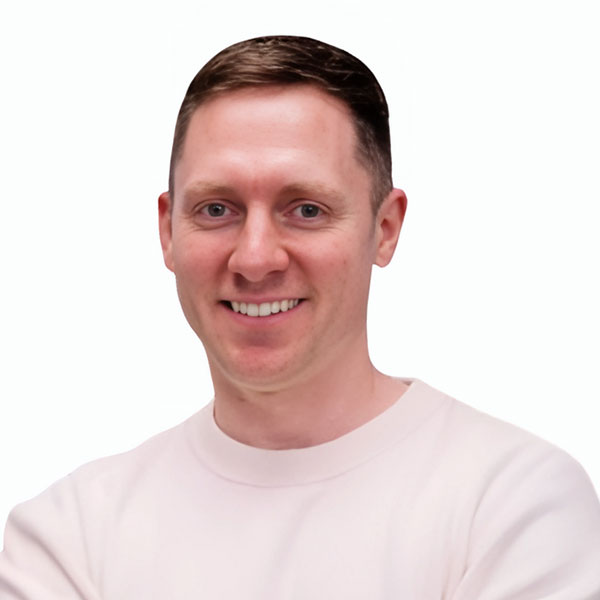
Ben O’Brien is the innovative co-founder of Faces Consent, a leading aesthetics practice management platform that’s revolutionizing how practitioners handle bookings, digital consent forms, and inventory sourcing. With over 150,000 practitioners using the app, Faces Consent has quickly become a go-to tool for modern aesthetic providers looking to streamline operations and elevate patient experience.
Ben’s journey into the aesthetics tech space began with a hands-on understanding of the industry’s day-to-day challenges. Alongside his medically trained co-founder, Ashley, Ben built a network of aesthetic clinics across the UK, which at its peak included over 20 locations. It was during this time that they realized the inefficiencies caused by paper-based consent and administrative overload. What started as an internal solution for their own clinics—an app to digitize and store consent forms—grew rapidly into a full-fledged platform used by professionals worldwide.
Today, Faces Consent not only simplifies patient documentation but also includes integrated features like automated bookings and a pharmacy marketplace. Ben’s focus on accessible, easy-to-use technology continues to drive innovation in the aesthetics industry.
HOST – MICHAEL WALKER

Michael Walker is a seasoned leadership coach and analyst (Q.MED) who is passionate about adding value to individuals and helping them unlock their untapped potential. With over 35 years of diverse business experience, he specializes in organizational development, succession planning, conflict resolution, and mediation.
As a Qualified (Q.MED) mediator with the ADR Institute of Canada and an Analyst (WFA) with the Workplace Fairness Institute, Michael has a strong foundation in conflict resolution and workplace dynamics.
His expertise extends to providing workshops and seminars that equip participants with practical tools to apply immediately for improved relationships, fairness, innovation, productivity, and profitability.
Michael is dedicated to supporting personal and professional transformations and is committed to helping individuals achieve greater financial, relational, physical, spiritual, and emotional prosperity through his coaching and advisory services.
Resources


Connect with Us:
Category: Business of Aesthetics Podcast